nature

The Meadows of Scotts Valley

When you think of Scotts Valley, what comes to mind? What comes to my mind are hours of tedious battles to save what was left of the remarkable meadows, which are home to some fascinating species. Embedded in those memories are lessons about how other people viewed those meadows and the diversity of human perspectives.

Glenwood and Santa’s Village

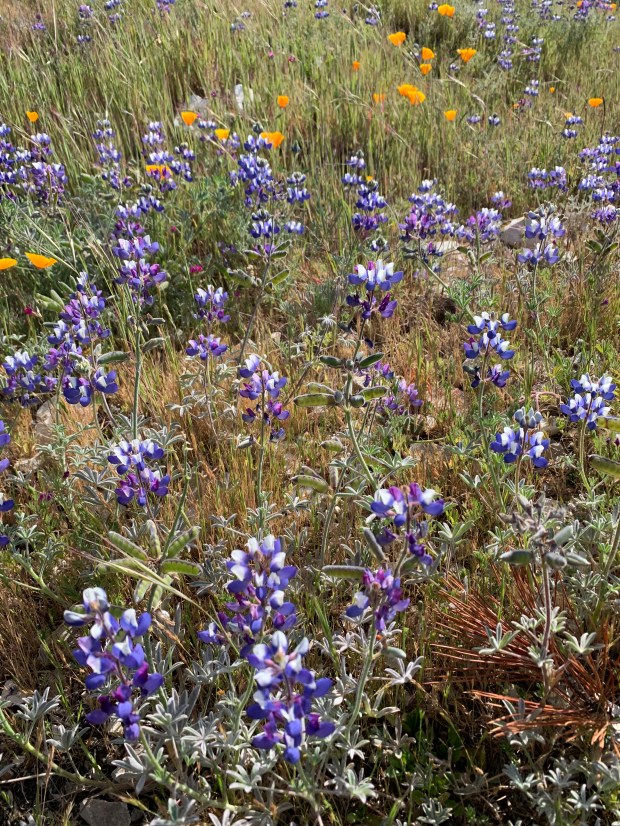
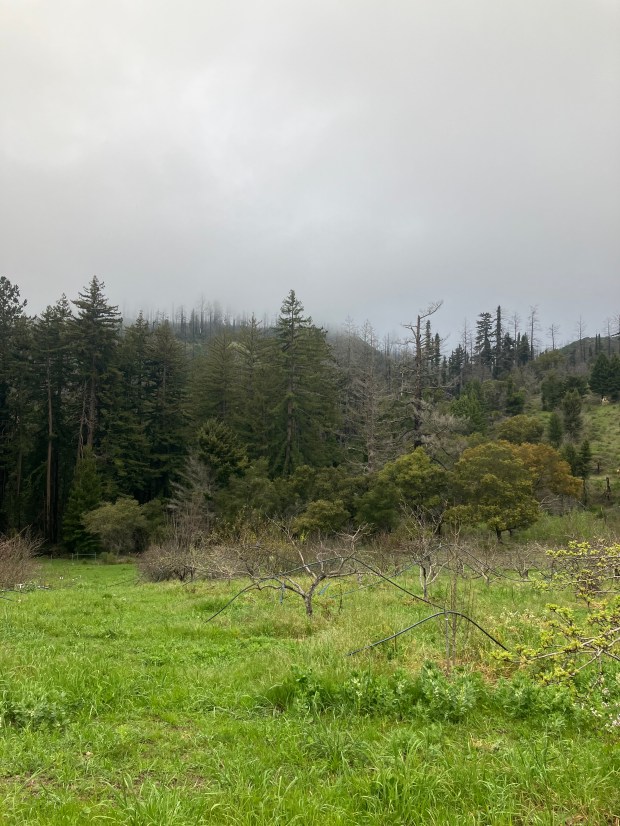
Highway 17 bisected some fascinating grasslands in Scotts Valley. On the west side of the highway, one can visit what remains of the Glenwood meadows. It is called the Glenwood Open Space Preserve and is owned by the City of Scotts Valley and managed by the Land Trust of Santa Cruz County. I’m not sure how many native species are left now, but in the 1990’s when I joined the battle to save those meadows, we used R. Morgan’s statistic of an extraordinary 250 native plants on just over 200 acres. The meadows would erupt in spectacular displays of lupines and poppies, each hillslope a slightly different color with many other wildflower species. 

Home to Rarities

To the east side of Highway 17 the last remaining meadow is at what was formerly known as Santa’s Village or the Polo Ranch. This smaller meadow was recently carved apart to make room for a luxury housing development by the seemingly ubiquitous Lennar Homes. Though smaller, this meadow has wonderful botanical surprises both in shallow-soiled dry rocky places and in some seepy wetlands.

These meadows are the home to the federally endangered Scotts Valley spineflower and the state-listed endangered Scotts Valley polygonum, species found nowhere else in the world. The state-listed endangered San Francisco popcornflower is awaiting better management in the seedbank in both meadows. A distinct form of Gray’s clover, if it survives, will probably one day be called the Scotts Valley clover as will a distinct form of Douglas’ sandwort – both should be listed as critically endangered and are only in the Polo Ranch meadow. A population of the State-listed rare Pacific grove clover has been found in the Glenwood meadow. The federally listed endangered Ohlone tiger beetles are also found in these meadows and in only 5 other places…all within Santa Cruz County. Opler’s long-horned moth, which should also be listed as endangered, is found feeding on cream cups in the Glenwood meadows. Western pond turtles have been found in the Glenwood pond, which would also make great habitat for the rare California red-legged frog were it not for nonnative fish which were put there a while back. 

Prior Losses

Scotts Valley has a long history of destroying the things that made it a very special place and replacing those special things with poorly planned housing developments. One gets the distinct feeling that poor planning is a hallmark of that town, which has no town center and is entirely sprawl. Smells like a legacy of greed combined with lack of civic engagement and the resulting pro-developer elected official. My mentor R. Morgan lamented the loss of the marsh that was once at Camp Evers, an ancient peat bog like no other for hundreds of miles. Then there was the development at Skypark, which was an airport and now has a small fragment of the once wildflower-rich extensive meadows.  

Scotts Valley High

Since the early 1990’s, as I’ve been following the more recent destruction of Scotts Valley’s ecosystems, the first to get to bulldozed was the Scotts Valley High School site. There were other sites but someone in power got their way, sacrificing rare species and permanently destroying a treasure of immense value. So powerful were the proponents that they managed to protect only tiny set aside areas for the rare species, spaces that were doomed to fail. Promises of integrating these small conservation areas with high school biology classes never materialized. Management for the endangered San Francisco popcornflower has never succeeded.

Glenwood Open Space Preserve

With great effort, the Friends of Glenwood, the California Native Plant Society and the Sierra Club managed to fend off 200+ homes and a golf course that had been proposed at the site.

Meanwhile, the Land Trust of Santa Cruz County is both succeeding and failing to manage this preserve. On one hand, they have been quite successful in managing for the most endangered species on the property- the Ohlone tiger beetle. This beautiful beetle has flourished because of their work. On the other hand, the habitat for the Pacific Grove clover seems to have been lost due to poor decisions. And, large areas of the property are being overcome by invasive species such as stinkwort and French broom.

Santa’s Village

Legal wrangling and the California Native Plant Society’s (CNPS) negotiations resulted in the protection of a small private park above 40+ homes. CNPS fought to have fewer homes, arguing that more homes would require more grading, which would threaten the hydrology of the steep terrain and its rare plants. Undeterred and supported by the ‘any development is good development’ Scotts Valley City Council, the home builders dug into the hillsides which subsequently collapsed, severely damaging the rare plant habitat. After years of delaying any management, the preserve area degraded due to brush and weed encroachment. But, after many years, the Wildlife Heritage Foundation is managing the property and trying to restore some of the rare species. Let’s wish them luck!

Lessons Learned

Scotts Valley has been, like Capitola, pro-sprawl whereas Santa Cruz is hemmed in. Just wait…one day Santa Cruz may re-think its greenbelt. Maybe I’ll get to hear another City Council person tell me that if such-and-such endangered species was in their yard they’d destroy it. Maybe I’ll once again hear a developer say something like ‘that Ohlone tiger beetle is probably the most common bug in the world!’ As pressure grows to develop around the Monterey Bay, I hope that we figure out sooner than later how to ensure that natural areas remain natural. How about third-party conservation easements on our parks? Can you not see how municipalities like the City of Santa Cruz will one day try to build housing on its greenbelt? Even State Parks will see that pressure. It seems to me that land trusts should be eyeing those opportunities with interest. They could be helping to guarantee longer-term conservation now that we’ve seen how quickly the tides can turn against conservation as the populace gets poorer and the developers get richer and more powerful.

Appreciations

I feel gratitude for many of the actions people are doing to help nature around the Monterey Bay. In this column, I will extend praise for those actions to specific people but inevitably will overlook others to whom I apologize in advance…chalk it up to not knowing everything everyone is up to or just plain forgetfulness. I also realize that no one is perfect, so I focus on the specific actions that I appreciate, not the whole of what anybody or group of people does, which might include things that are, on the other hand, very bad for nature.

First Peoples

I lead with my appreciation for the First Peoples for their care for the Monterey Bay region. It is not hyperbole to say we owe everything we experience, the whole of nature, to the First People. The people who are and were indigenous to this place for thousands and thousands of generations took care of this land – every part of it. From squirrel to deer, from river to ridge, from the tallest oak to the tiniest wildflower – these things are here because of those people. The descendants of some of these people are still here, and we have much to learn from them and alongside them if we care to do so. They are still weaving together the fabric of this wonderful part of Earth.

Organic Farmers

I also appreciate organic farmers for caring for nature. By shunning the use of synthetic chemicals for pesticides and fertilizers, organic farmers are avoiding poisoning nature. These farmers forgo these things, pay fees for certification and inspection, and work harder to produce food that often times, to me, tastes better. Farming is not an easy career. I am so glad that I can afford organically grown food and that there is such an abundance produced in our region. There are lots of organic farmers that have inspired me, but I especially think of Phil Foster (Pinnacle Farm), Ronald Donkevoort(Windmill Farms), and Jane Friedmon and Ali Edwards (the original Dirty Girl Farm), and Jerry Thomas (Thomas Family Farm) as inspirations.

Weed Warriors

I want to give thanks to the folks who have long battled invasive plants in our area. Some of the hardest work protecting nature is done by the Monterey Bay’s weed warriors. These folks often volunteer their time to battle the worst invasive species affecting natural areas. They’ve battled French broom, jubata grass, ice plant, sticky Eupatorium, and on and on. Ken Moore was the godfather of weed warriors through his founding of the Wildland Restoration Team (interview pt. 1and pt. 2), but there have been many others. Linda Broadman worked with Ken and carries the torch through her leadership with the Habitat Restoration Team of the Santa Cruz Chapter of the California Native Plant Society. The Monterey District of State Parks deserves mention for steadfastly and regularly organizing volunteers to control invasive plants. Then, of course, there are the many volunteers who actually do much of the work…

Conservation Activists

This is where my appreciation will surely fall short as there are so many people who deserve recognition. Conservation activists often take civic engagement quite seriously. I am in awe of the many nature conservation activists who have fought and won so many important battles around the Monterey Bay. I have enjoyed learning from and sometimes working alongside Celia and Peter Scott, Bruce Bratton, Jodi Frediani, Michael Lewis and Jean Brocklebank, Corky Matthews, Gillian Greensite, Debbie and Richard Bulger, and Don Stevens. Behind and working with these good people were expert and dedicated legal support from Debbie Sivas, Jonathan Wittwer, Gary Patton, and Bill Parkin. Folks who have been affiliated with the Rural Bonny Doon Association and Friends of the North Coast also deserve recognition. Without people who are willing to donate their time, expertise, good judgement, intelligence, and skills we would not have much of the open space that species need to survive.

Tending the Fire

I have been so pleasantly surprised to see so much work with prescribed fire in our community. For me, this started years ago with Cal Fire including more recently as Angela Bernheisel led the first good fire at Soquel Demonstration State Forest. I have been thankful also to the work of the Central Coast Prescribed Burn Association, including their leaders Jared Childress and Spencer Klinefelter. State Parks’ Portia Halbert is a dynamo for putting good flames on the ground and an inspiration to so many others in moving that powerful tool forward. This prescribed fire work is tricky and takes brave people who know so much about so many sciences to get that kind of work done. Plus, they have to work well with others because it takes so many others to do that kind of work. They are restoring nature while making our communities safer. Thank you.

Politicians

For the last 35 years, there have been few politicians in our area that have openly declared nature to be central to their platforms, and I deeply appreciate those who have. Currently, there are very few indeed. State Senator John Laird seems to me to be an outstanding example of how a politician might succeed when keeping environmental conservation a publicly stated priority. Mayor of Marina, Bruce Delgado, is another example. I wish there were more than just those two, but that says something about both the need for more folks to run for office and the public’s will to prioritize such things when they vote. 

-this post originally appeared at my weekly column for BrattonOnline.com where one can subscribe and get the best local, regional, and global news from very smart and observant people.

Annual Penultimate Post for Molino Creek Farm

-I post nearly weekly from Valentine’s Day until Thanksgiving a blog about Molino Creek Farm. So, this is the second to last post for 2026.

Rain. Every vignette, each part of the farm…the entire region…is being wetted. This rain drives the moisture deeper into summer-dried soil awakening new life for the winter season.

Forest Drops

The rain is captured and concentrated in the high boughs of redwoods and firs. Drizzle coalesces into big drops plummeting, sometimes making sharp smacks against limbs, shattering. Mostly, though, the raindrops are muffled quietly diffusing into deep, fluffy needle duff. Giant bananaslugs scoonch across trunks leaving silvery slime trails. 

Scrub Soak

Resinous coyote bushes slump, covered with white fresh seed fluff made heavy with water. The bushes densely glisten even under cloud-capped sky. Exploring newly emerging liverworts or mushrooms, you dare not squeeze between those hulking shapes: brushing up against one instantly soaks. Edges of shrubby patches will have to do for the liverwort expeditions. Alarm squeaks resound: families of golden crowned sparrows flush deeper into cover.  They are the cryptogam farmers.

Flushing Grasses

Gopher mounds bristle like alarmed hedgehogs. Although dense, the single first leaves of 2” tall grass seedling spikes haven’t covered the moist, deep brown soil. Ferny blue-green rosettes of California poppy catch droplets that magnify and distort their otherwise tidy appearance. The arched dense cover of perennial grass blades dance and bob in heavy downpours.

Tilled Mud

Furrows of loose soil, freshly plowed or harrowed flatten gradually as they saturate. Mud puddles form in tire tracks. Liquified dirt flows in rivulets, down rodent holes, backing up against obstacles, painting one color what had been complex hues of soil surface-chopped plant residue. In between showers, these tilled areas waft thick and sweet soil scent.

Puddled Roads and Trails

Cows lower their massive noses to road puddles – convenient drinking areas far from the trough. Birds delight in the ubiquitous baths, wings splashing, heads scooping, beaks open sucking up sweet fresh rainfall. Every trail and road is dotted with puddles.

End of the Season

The last Palo Alto Farmer’s Market of the season for Molino Creek Farm this Saturday. Bodhi powered the tractor across the fields, discing and planting cover crop into the night Tuesday. Orchard cover cropping progressed with whatever hours I could spare, however many hours my body could muster – alas, only half done before this week’s rainstorm! Imagining the swelling of bell bean seeds, licked by snails, prodded by earthworms in the freshly turned soil.

Strong dark wax boxes of winter squash are stacked high and curing just inside the south-facing doorway of the Two Dog Farm greenhouse. 

Farmers wend their way slowly one more time down the rows of tomatoes, happily surprised to be harvesting tomatoes this close to Thanksgiving.

Heavy shoulder bags of apples filled on the steep orchard hillside and hoisted onto the sorting table. Fuji and Braeburn are the last varieties this year to go to market. Sweet and juicy but each having their own very unique flavor, vastly different. We will too soon miss the crunch of that wonderful fruit. A reminder to relish the appreciation of what you have before its gone. I take extra-long to finish a fresh-picked apple nowadays, making sure to chew and taste while gazing at the skin and flesh…the juice…the release of complex aroma upon each crisp bite.

Beavers

Beavers are again being recognized by humans as creatures crucial to holding together the natural world across much of North America and Europe. Where they are able, beavers create wetlands. Those beaver wetlands do so much for so many other beings, including us. Let’s explore California’s beaver resurgence for a few minutes.

History

There once were two beaver species, then only one living alongside indigenous people, then even those were nearly wiped out. In modern time, beavers have been variously killed, ignored, restored, or coexisted with. The Big Beaver of the Pleistocene, like so many other species, winked out when humans arrived on the continent. Probably they were too tasty. Its smaller cousin, though, survived. There are names for beaver in many native people’s languages across California. But the Old World Peoples persecuted both the native peoples and the beaver. Beavers were trapped to extirpation so early in those terrible times that as records started being written, there was already doubt that beavers had ever been in most places across the State. The state’s wildlife department finally protected the few remaining of the species and then began restoring them. Beavers, farmers, water managers, and road departments had problems working it out, so the State started allowing, and still allows, beavers to be killed where they cause too big of problem. 

Over the past 20 years, brilliant folks from Back East figured out a way to solve some of those problems, so beaver coexistence technology is now a thing in California. At the same time, in just the last 5 years, our wildlife officials have started translocating problem beavers to restore the species in more places. These recent pro-beaver developments come just in time for so many reasons.

Beaver Biota

Where beaver go, many follow. Three weeks ago, I saw a river otter stick its head out of the water in a pond behind a beaver dam. River otters follow beavers as do ducks, egrets, herons, kingfishers and so much more. Rare amphibians and reptiles likely were once more abundant due to beavers, including California red-legged frogs, San Francisco garter snakes, California tiger salamanders, Western pond turtles, and Santa Cruz long-toed salamanders. Mostly, those rare species rely on manmade cattle or farm ponds nowadays, but what about before those? 

I have studied the landscape for 50 miles in every direction around Santa Cruz and have found very few natural ponds. Coastal ponds are either in earthquake faults, vernal pools in ancient dune declivities (e.g., Ft. Ord), or impoundments at the back of more modern dunes. These situations are all quite rare. Looking further abroad, there are more vernal pools in the Central Valley and one can imagine oxbow lakes along many of California’s rivers before modern humans messed so much by channelizing rivers. If we could restore beaver to the landscape, I’m betting we could recover frogs, snakes, turtles and salamanders…and even fish! Most agree that California’s many species of super endangered salmon once thrived in the food-rich backwaters of beaver ponds.

I could go on and on about the many other wetland species that follow beaver pond architecture, but I’m thinking you get the idea.

Fire Stop

Recently, “Smokey the Beaver” has become a meaningful meme. In the past decade Californians have witnessed catastrophic infernos raging across the landscape like no one had previously imagined was possible. Across the West and north through Canada the same pattern has been emerging: big, big fires fueled by climate-change-induced drought, heat, and winds. The solution to fire: water. When beavers dam rivers and streams, they create fire breaks. In the huge footprints of “The Big Black,” post-fire, thank the beaver for the green strips that offer refuge to whatever wildlife may have survived the blaze. I have stood my ground on the edge of two approaching wildfires and have witnessed masses of fleeing deer, rabbits, wood rats and more running from the flames. I imagine those creatures finding beaver wetlands and hunkering down, eyes wide, hearts racing as the world around them crackles, roars, and burns. Beaver firebreaks can help save human lives and infrastructure, as well.

The Wetting

Beavers make it possible to rehydrate the West. Their dams are speed bumps for floods, slowing the surge, spreading floodwaters across floodplains, and hydrating large swaths of valley bottoms. By storing rainwater behind their dams, beavers keep streams and rivers flowing farther into the season of California’s long, dry summer. As water slows down behind beaver ponds, it can more readily recharge groundwater, too. Some have suggested that restoring beavers across the mountain meadows of the Sierra Nevada could store as much water as 2 large new reservoirs. That would be cheaper…and more sustainable!

Monterey Bay’s Beavers

Beavers are in the Salinas River all the way down to the Highway One bridge. Those riverine beavers are bank burrowers…they don’t make dams in such big rivers, but they sure like to eat the willows. You’d have to go south to San Luis Obispo before you found another beaver family. And, travelling north you would have to get onto private land along Butano Creek in San Mateo County to encounter our beaver buddies. Sometimes that population makes a more public showing downstream in the Pescadero marsh, where one mysteriously died this past year. What about prime beaver habitat in the Carmel, Pajaro, and San Lorenzo rivers? When will beavers arrive in those locations? Corralitos, Soquel, and Scott creeks also offer promising beaver habitat. Perhaps one day we can find a way to offer beavers a place alongside humans in some of those rivers or streams. Help spread the word!

-this post originally published as part of the decades-long news source for the Monterey Bay and beyond at BrattonOnline.org Check it out! Subscribe!! DONATE. Support journalism, even grassroots journalism, maybe especially grassroots journalism.

Another Trail ‘Study’

The Peninsula Open Space Trust (POST) recently published an article about a 2023 regional trail user survey. The author of the article, Zionne Fox, wrote about some of the results of the study, and her writing helps gain new insights into POST’s philosophy regarding recreational use in natural areas.

Summary of the Article

Ms. Fox’s “blog,” published on August 28, 2025, announced the findings of a ‘unique’ regional study by the Santa Cruz Mountains Stewardship Network that had purported to assess parks trail user expectations. Fox reports the percentages of different user groups (equestrians, dog walkers, hikers, mountain bikers) that want more trails. She also notes that non-white respondents were statistically under represented. The article suggests (without supporting data) that demand for trails is growing and that ‘open space operators need practices that can meet rising visitor expectations while preserving natural habitat.’ There was also mention about many equestrians hailing from Santa Cruz County and (again, unsubstantiated) a need for additional accommodation for multi-day trail trips.

Reporting Issues

The POST article fails in many ways to meet the standards of responsible reporting, but that is predictable given the organization’s overall tendencies. First, note that the study referenced isn’t, as the author claims, ‘unique,’ at all: another, more professional study covering much the same material was published not that long ago. Also, notice that there is no link in the article to a report about the results of the survey. With further research I find that the survey authors, the Santa Cruz Mountains Stewardship Network, lacks a link to any reporting on the survey results on its website. Without more details about survey methodology, statistical analysis, and results it is difficult to draw one’s own conclusions. 

Moreover, the article emphasizes only the survey results which correlate most with POST’s own goal of increased recreational use of ‘open space’ lands. For instance, statistics are provided for apparent unmet needs from various recreational groups, but similar statistics are not presented about the degree of concern for natural resource conservation, which is at odds with increased recreational use. In fact, in the ‘What’s Next’ portion of the article, there is no mention of POST’s or any other ‘open space operator’s’ intention to address survey respondents’ concerns about conserving and nurturing natural resources which suffer from over visitation. Similarly, POST suggests that those operators should focus on ‘preserving natural habitat,’ which curiously avoids the more concrete and pressing issue of conserving the specific species that are sensitive to natural areas recreational use. Habitat preservation is nearly meaningless to measure, whereas species conservation is much more useful and quantifiable, with a richer history of scientific rigor in informing open space management.

Note that the author of this article fails to mention any results from the portion of the survey asking about trail user’s negative experiences in open space areas. The survey asked poignant questions about negative interactions with dogs, people biking, shared trail use with other users, etc. Such conflicts are expected and are a challenge that trained park managers are used to addressing; unfortunately POST lacks staff with such expertise, so it is understandable that the author would avoid mention of this portion of the survey, which would otherwise reflect poorly on her organization.

The reporting insufficiencies and biases should not be surprising to those who follow POST. This is an organization focused on increased recreational use at the expense of species conservation. For instance, while on one hand cheerleading for the National Monument designation of Cotoni Coast Dairies, POST refused to sign onto a letter advocating that the designation include specific protections for natural resources. Peruse the organization’s website and you’ll find that species conservation is de-emphasized as opposed to an over-emphasis of recreational use of natural areas, which negatively affects nature. While being the best funded private organization working on open space issues in the Bay Area, POST has apparently never hired staff or engaged contractors that are professionals at managing visitor use in such a way that demonstrably protects the very species that require POST’s natural areas to survive. POST has published no reports or plans to address these concerns, at least none that are available to the public.

Methodological Issues

On its face value, the survey issued by the Santa Cruz Mountains Stewardship Network lacked the rigor to make the kinds of conclusions that POST suggests would be valuable. As opposed to previous, more rigorous studies the survey failed to sample the breadth of the population with interests in open space areas. POST notes that proportions of respondent self-reported ‘race’ did not reflect the population as a whole, but failed to note how the survey may have also biased certain user groups over others (mountain bikers vs. hikers, etc). 

One would expect to encounter survey bias given the mode of delivery. The survey was a web-based survey distributed by social media networks. Open space organizations have recently become increasingly aligned with a vocal minority: well-funded mountain biking advocacy groups who undoubtedly circulated the survey in order to impact the results. Other trail user groups may have been under-represented because they have little exposure to those particular social media networks or because they lacked the computer technology to respond.

Cautionary Conclusions

We can learn valuable lessons from POST’s reporting on this trail user survey. Given the power of POST, we should continue to be vigilant about the group’s propensity to favor increased recreational use of open space lands at the cost of species conservation. This bias should make us question the organization’s ability to manage funding tied to protection of public trust resources. POST is a donor-funded organization, and so some degree of pressure from donors could help to steer the organization more towards conservation. We should also recognize that POST is not alone in making these types of mistakes. It appears that the Santa Cruz Mountains Stewardship Network is also allied with such thinking, and we have seen other conservation lands managers approaching open space management with similarly unbalanced methodologies. These trends must be reversed if we are to conserve the many species of wildlife which are sensitive to poorly managed recreational use in our parks.

As time passes and we stay alert to the possibilities, we will see if the poorly executed SCMSN trails user survey results are used to justify or rationalize actions by POST or other members in their network: wouldn’t it be a shame if they were?

-this post originally published in my column for BrattonOnline.com – a weekly blog with movie reviews and posts by very interesting people on matters near and far. I recommend subscribing to it and donating so we can continue this long tradition.

Rumblings Afar

The bounty is upon us. The Horn of Plenty gushes forth a profound plethora of food as Fall begins. The Equinox returns old bird friends to the farm’s ongoing bird drama, including many galliformes. The meso-predators – fox and skunk, especially – roam and hunt each evening. Farmers sweat in frequent heat, weeding and harvesting. We are thankful the lightning has skipped us, yet, but WHAT’s WITH THE STORMS??!!

Farm Overview at Sunset – Color thanks to Tropical Storm Mario

Rumblings Afar

Last week it was Tropical Storm Mario, this week an unnamed spiraling monstor. Mario spewed a swarm of lightning bolts 30 miles offshore, jetting up the coast and not, as predicted, coming onshore. The unnamed storm spun arms of poofy clouds and hundreds of lightning bolts, mostly around Lompoc and the southern San Joaquin Valley. It, too, was predicted to come ashore with that violent weather this past Tuesday night but then, once again, it skipped us: the only a hundred or so lightning strikes were inland, in the foothills of the Central Valley. Tense times, these.

The mugginess, daytime heat, and even balmy evenings are unusual for us. Luckily, it hasn’t been scorchingly hot – the apples aren’t getting sunburn. And, happily for tomato farmers, there hasn’t been enough rain to even start to wet the ground – dry farmed tomatoes split with rain!

And, oh how those tropical storm clouds color our sky at sunrise and sunset. Brilliant orange hues are the dominant evening entertainment, dazzling near the horizon and all mixed up with purples and blues higher up, sprayed across cloud puffs or ethereal mists.

The Toil

Amidst the episodic heat, farmers work and sweat. The weeding never ends. One starts early to avoid the worst of it, but that early starts later…hoes hit the ground at 6:45 if we’re lucky. And the harvest takes hours through the day while the sun pushes prickles and wilting heat right through you. The sweat would drip except it is so very dry, salt cakes on the skin roughly mixing with dust. Harvesting tomatoes bent fully over, gingerly stepping between sprawling plants and peering into the dense foliage for hidden fruit, carefully extracted…boxes and boxes of big swelling fruit emerging from so little ground – it is an epic year! What a contrast to last year’s crop failure.

Two Dog Farm dry farmed winter squash, each year a stunning miracle from such seemingly dry ground

Fruit Ripens

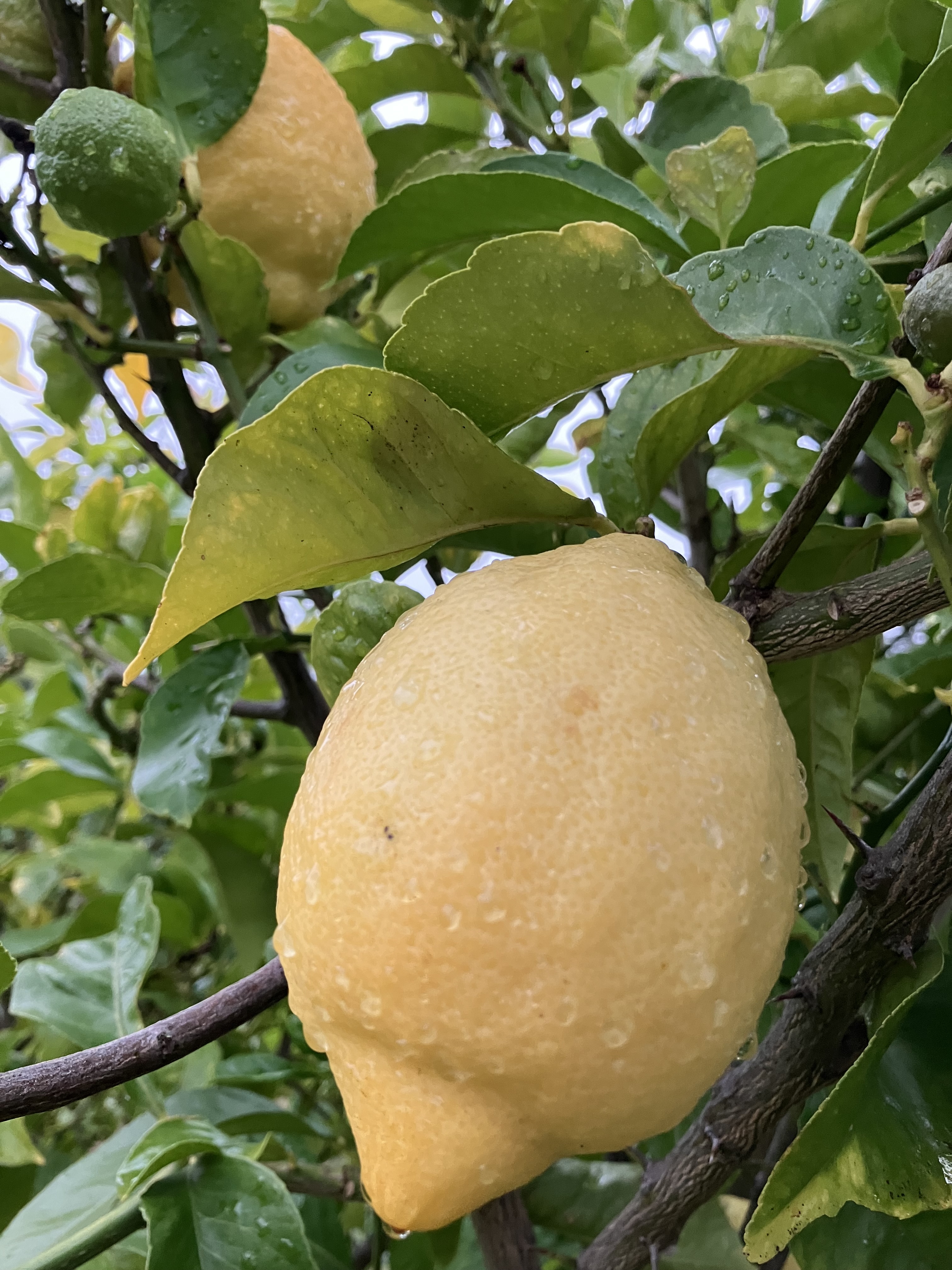
In the orchard, the apples ripen with lemon harvest still in swing. Eureka lemons get ripe by the day, our first year of sending them for weeks to market. These lemons are popular among our Community Orchardists, too – they are catching on – so, the ‘seconds’ lemons are getting claimed voraciously. About 50% of the lemons aren’t perfect enough for market, and so 25 pounds a week are getting distributed. It seems like next year we’ll have surplus for the Pacific School, once they return from the summer. Our lemon trees have just past 10’ tall, a bit lanky and need of some shaping – sharp spines make portions of the getting-dense trees hard to harvest. It is surprising how difficult it is to discern the varying shades of yellow on the fruit, sometimes with hidden tinges of green, to harvest the ripe ones as they turn ever-so-slightly deeper colored.

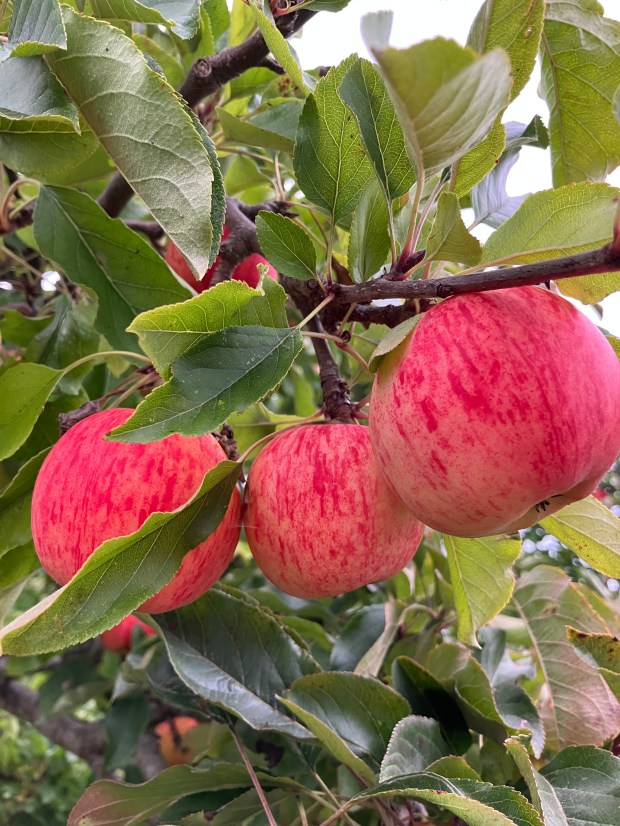
Gala apples are the first to ripen: we sent our first box to market out to the Community this past week. The background peach color, beneath the red streaks, is so obviously a sign of ripeness. They are gorgeous when ripe.

Ripening Gala apples in our Community Orchard

Reclaiming the Land

We are so thankful to our various partners for their assistance in restoring the natural areas of Molino Creek Farm. Last year, the Central Coast Prescribed Burn Association’s (CCPBA) massive network of volunteers and dedicated staff put Good Fire on the ground, nudging our scrub invaded systems back to coastal prairie. Their work also makes our farm safer from wildfire, which has been much on our minds of late. This fire break augments a many miles long regional firebreak that runs on our border and protects Bonny Doon and then Santa Cruz further down the fire-shed.

This week, the new President of the CCPBA, Matthew Todd, has been using his expertise and big, expensive tool to take that burning a bit further. His Bobcat runs a masticator, and he’s mowing down huge patches of the invasive French broom which sprung up after the 2020 fire. Alongside that broom are acres of brush that has taken over super-diverse prairies that were dominant in photos as recent as 1988. Matthew is a landscape artist – it is looking so great and we are much-relieved to have his help bashing broom…and jubata grass…and coyote brush. Broom control protocol calls for several years of mowing in the Fall, like we’re doing now, and we are going to do just that – maybe with a bit of Rx Fire thrown in there.

Rumor has it that CalFire will do a training burn in a few weeks (after grape harvest), so more to come.

Matthew Todd on his masticator, taking care of prairie one strip at a time: Thank YOU!

Natural Production

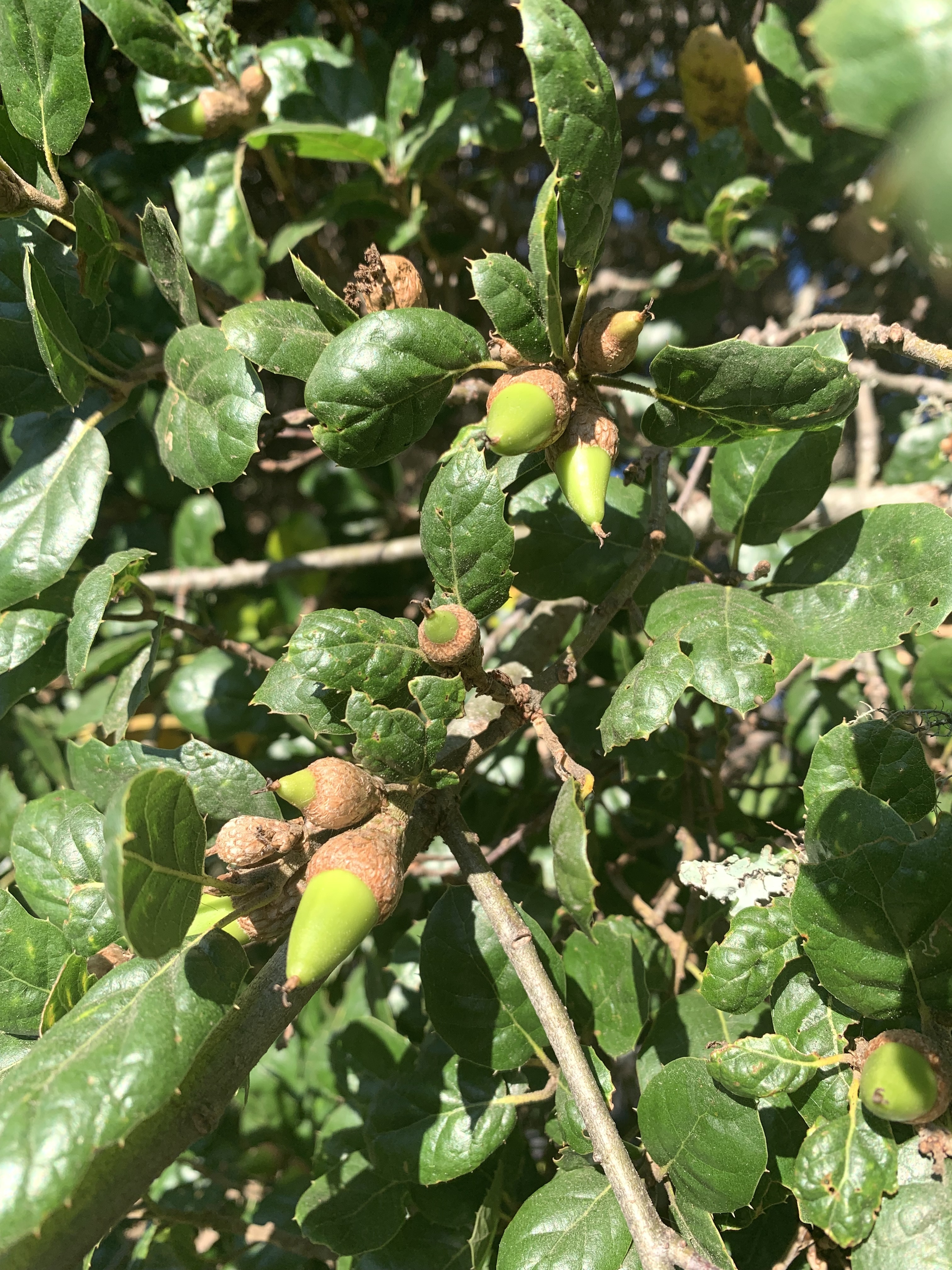
While our Farm Fruit is abundant, so is the fruit of the woods. Jays and Acorn Woodpeckers have turned their attention to the acorns, which have swollen and started to drop. On the ridgelines above the Farm, the manzanita bushes have their first massive berry production since the 2020 fire. The seeds have tasty dry, sweet pulp and hard as rock seeds. Some critter has been feasting on them and then pooping out the remains in our apple orchard – a long haul, but someone has a circuit.

Critterland

It is easy to see a fox at night if you just go looking. We must have a large population. They bark and yowl. You can’t hear them, but you can certainly smell them … skunks are prowling farm-wide. The hayfields are full of their nuzzling holes where they seek mice or crickets. The bunchgrasses we’ve been nurturing in our hayfields have turned green and since we didn’t harvest the hay, there is plenty of hunting ground for skunks.

Native bunchgrass, California brome (Bromus carinatus) hay field with skunk hunting sign

Welcome Back Sparrows! And…

Golden-crowned sparrows returned, as usual, with the Equinox. In the dark of the night on 9/19, hundreds of these winter birds dropped out of the sky and started feasting on what seeds remain from the entire summer of feasting of the other birds. They were quiet and shy at first, maybe a bit tired from their journey, but now they are feisty and squeaky. 

At the same time, other types of birds arrived. The meadowlarks landed in the meadows lower down and closer to the ocean. And, the blackbirds – Brewer’s and bicolored – have suddenly formed their cacophonous flock at the top of the trees around the periphery of the farm fields.

Gallinaceous Bird Drama

The turkey flock was attacked in the forest, what a terrible noise, and only the male has been about. Seems like a good idea to go to that place of turkey noise and see what happened. A coyote or even a pack of coyotes would stand quite a challenge against such powerful birds: maybe it was a lion? Tracking is in order.

Massive quail coveys flush and whirr at every turn. They are Very Jumpy because there is a Very Good Hunter about: Cooper’s hawk is energetically flying about. Do kestrels eat quail? There’s one of those around, too.

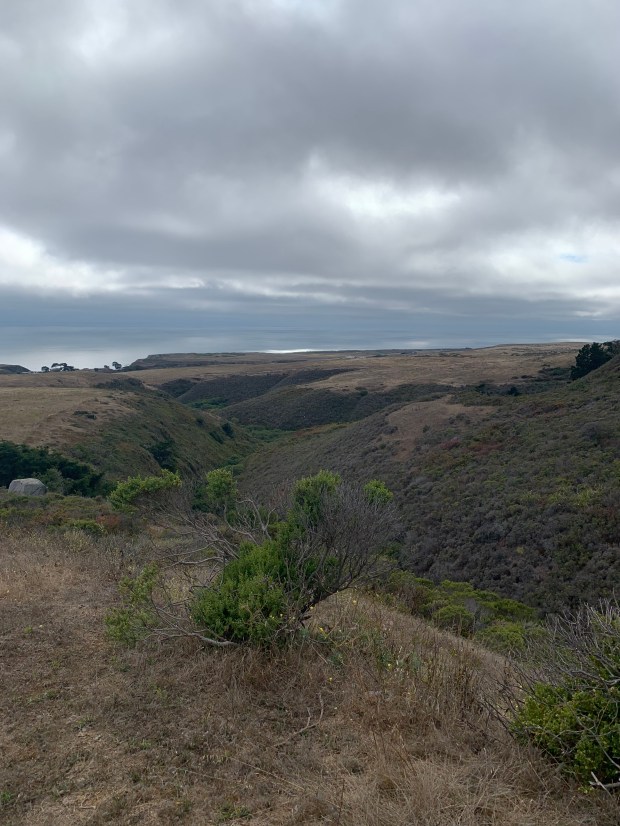
A view to the sea overlooking habitats at Cotoni Coast Dairies

Restorative Justice: Trust for Public Land and Coast Dairies

There is healing to do in my community, but no one is moving that forward with one particular travesty. We’re approaching the 7-year anniversary of a local conservation organization’s legal action against our community, including environmental hero Celia Scott and others. In 2018, the Trust for Public Land sued a group of my community. Their actions incurred long-lasting damage to personal lives and the willingness and ability for the public to remain engaged in the hard work of protecting the North Coast of Santa Cruz County. This story is a microcosm of society-wide problems. In this essay, I explore this scenario in hopes that we can heal or at least learn from the past in ways to strengthen and improve the future, in similar situations.

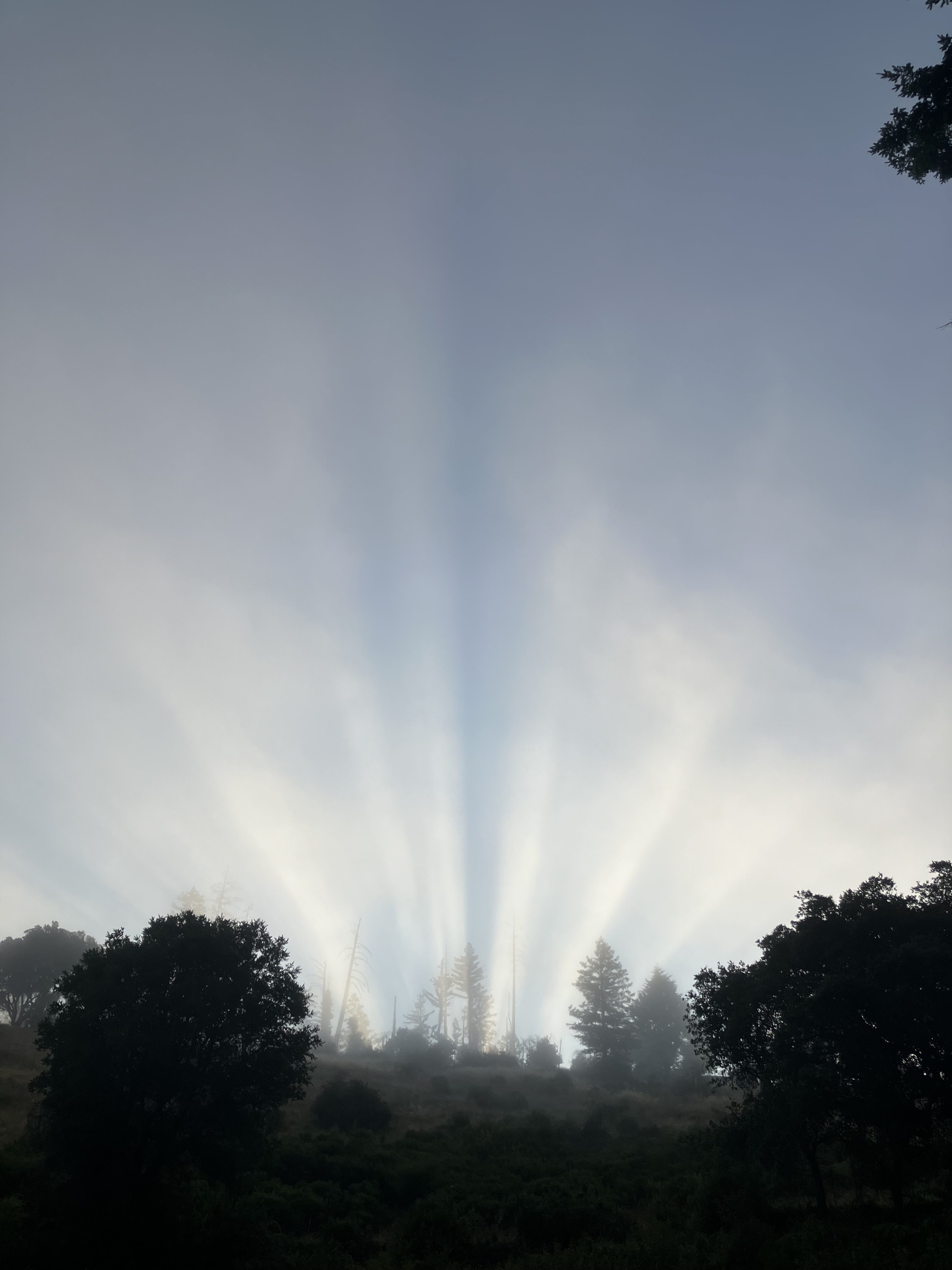
The sun rises from the fog, hope for a new era

What Happened?

In 2014, we were extremely concerned that the Trust for Public Lands chose the Bureau of Land Management (BLM) to take possession of ~5,800 acres of the ~7,000-acre Coast Lands and Dairies property. This would be the first transfer of large acreage in Santa Cruz County to the Federal Government, putting decision making, environmental review, and management oversight far afield from local influence. Moreover, the BLM is nationally recognized as being the ‘bottom of the barrel’ of public land management agencies insofar as their ability to provide adequate staffing or adequately analyze and plan for protecting natural resources and managing visitor use. ‘Don’t worry,’ the Open Space Illuminati whispered, ‘the land will go to National Parks soon enough.’ ‘The Great Park’ was their dream, a way of cementing the legacy of a very few boomers and their deep-pocketed, old school “environmentalist” funders. A dozen or so local veteran conservationists were clearer eyed and decided to fight back. 

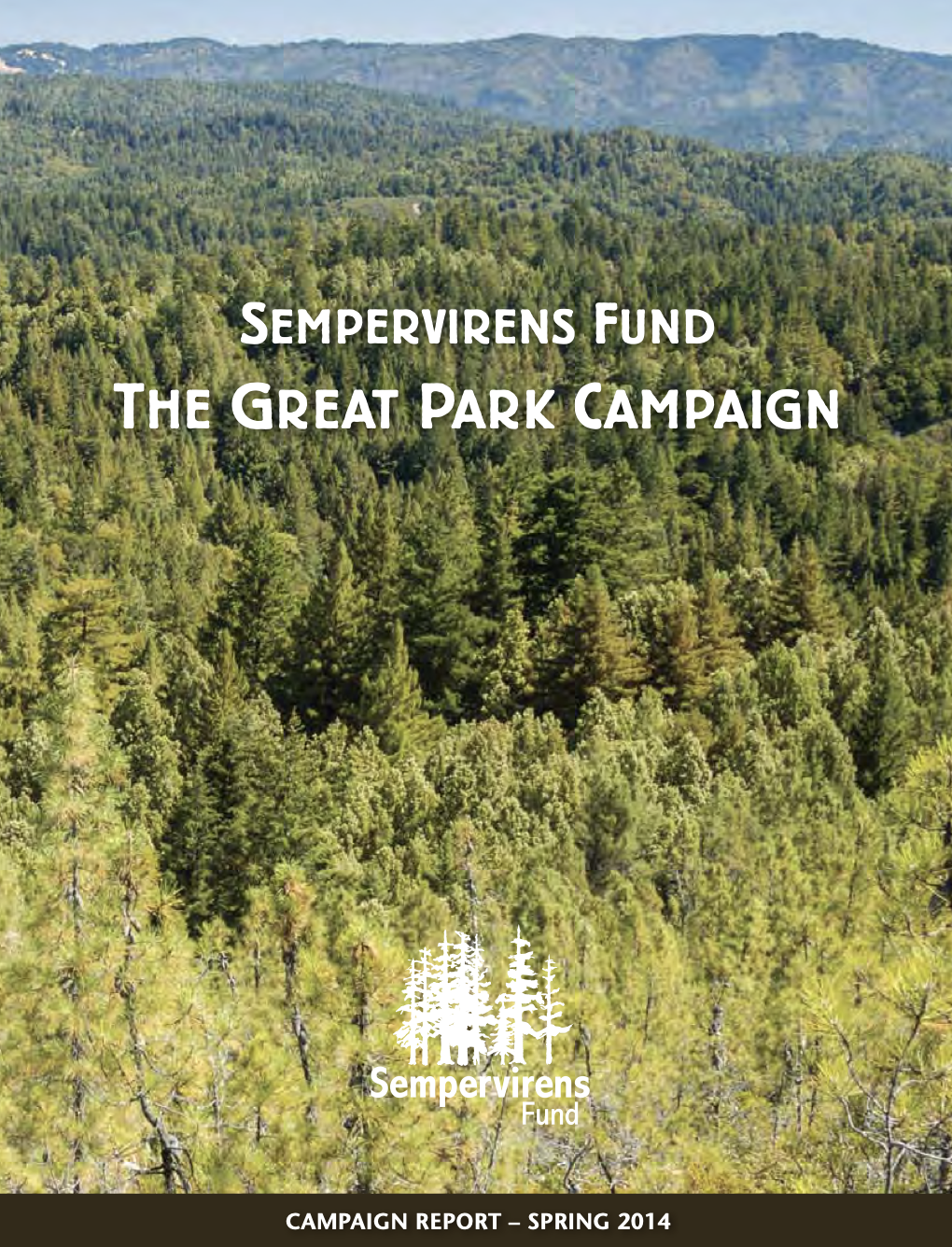
The Sempervirens Fund’s Great Park Campaign publication cover, see this link for more.

This coalition worked with experienced legal counsel to challenge the federal lands transfer based on TPL’s need to divide the property between State, private, and Federal ownership…a process requiring County and Coastal Commission approval. When their legal action failed, TPL sued those activists, demanding a large financial settlement. TPL’s legal action also failed but not before the damage was done to individuals and their families as well as the coalition overall and my community of conservationists in general.

Outfall

TPL’s lawsuit echoed through the region, hobbling conservation and damaging community. The Open Space Illuminati felt more empowered, less humble. Family members questioned whether activism was worth the risk, fearing retribution affecting their already tenuous ability to live in an increasingly unaffordable area. Conservationists wondered how a ‘conservation’ organization like TPL could launch such an attack.   

The Bullying 

This history is but one instance of something we see unfolding nationally with greater consequence. In most political spaces we have mainstream, wealthy, influential ‘centrist’ “liberals” that are sure that they know what’s best for everyone, and they are determined to force their reality forward. They bully and demonize progressives who are often under-resourced for such battles: ‘successful’ centrists are often in wealthier circles/circumstances, and their visions often include methods of increasing their financial advantage. Do we forget progressives’ criticisms of the World Bank and US AID for their paving the way to the destruction of communities and ecosystems? Newsom is so good at bullying Trump because his centrist community are very experienced at bullying progressives, and they’ll be back at that focus soon enough. The centrists love the far right for the power that gives them to move the populace to the center where the rich get richer and the environment and the poor suffer greatly. The Coast Dairies situation is a microcosm in another way.

Microcosm

Many of us are familiar with the story of the colonialist tragedy affecting indigenous people, but can we also apply some of those lessons to the situation with TPL at Coast Dairies? We know we are on the unceded ground of indigenous people: each and every one of us reading this. At the same time, many prescribe to the philosophy of such colonialism when we celebrate the “keystone” of “successful” conservation. Cheers ring out when property is purchased for a park, and few ask who is losing when that happens. Some of us are familiar with the boundaries of parks being drawn without consultation of native peoples around the world: indigenous people displaced by ‘conservationists.’ Few of us see the parallels with such dangerous transitions in California where the ‘We can do better!’ mentality overwhelms local communities. 

Can We Do Better?

Conservationists celebrate the quick transition away from local control, yet traditional land management knowledge is lost at great peril. Those engaged in traditional forestry know how to manage land at scale, restore forests, grow trees, and reduce wildfire risks. Those engaged with traditional range management also know how to manage lands at scale, control herds of beasts to ecological benefit, and identify stewardship risks before they become catastrophic. Indigenous peoples have a much deeper and broader experience to share. Instead, the conservation community often removes these previous communities from their stewardship roles, instead entrusting land care to too few University-educated elites with their small share of experience matched by their lack of humility, and framed by their embrace of pro-forma ‘management planning and environmental review’ processes designed to protect them from public conversation, criticism, and legal challenge.

All of this is happening at Cotoni Coast Dairies. Can the situation there, including with the Trust for Public Land, help model a way to overcome this negative global spiral?

 Reconciliation

I am suggesting that we go through a truth and reconciliation process for the Coast Dairies debacle, including the TPL’s legal action against our community. 

First, we must seek to understand. Who was involved with deciding that the Coast Dairies property would best be in BLM’s hands? Let’s hear from those individuals about their decision and what they think about that nowadays. Who was involved in the decision to sue our community members? Let’s hear from those individuals about what motivated that action. Why did community members sue TPL? Let’s also hear from those individuals about what they were hoping to achieve and how they see their loss affecting the current situation. Can we also hear from the Federal decision makers: how does the machinations of federal control address the concerns of our community?

A well facilitated truth and reconciliation process can move forward from such mutual understanding towards solutions that can help to heal the past and move to a more productive future.

I predict this reconciliation process will not happen until the Open Space Illuminati and the Federal decision makers feel that they are no longer ‘winning.’ Then, they might see that they need the help of the people they have marginalized. This will require the marginalized to gain more power. Please join the movement by talking to your network about these issues.

If we don’t address these past injustices, it will not be a long wait until we see them repeat in larger and more tragic ways. Right here in our communities.

-this post originally published as part of the illuminating BrattonOnline weekly blog, featuring leading thinkers on local, regional, and global affairs…in this era of squelched free speech, it is best to keep our minds agile by reflecting on well-informed commentary and journalism. Subscribe now and SAVE (your mind- the blog is free).

Cotoni Coast Dairies BLM Land Opens to Public

The opening ceremony for public access onto the Federal Bureau of Land Management’s Cotoni Coast Dairies property was on August 15, 2025, a grim day for those who have followed this travesty, which will only worsen with the planned public access.

Many thanks to De Cinzo for this image

Building on a Tragic History

Nothing good led up to this moment. There is no one left who speaks the language of, or can show direct descendance from, the native people of this property. There are rich archeological sites illustrating that this land was settled for thousands of years. So, as with every spot in California we must see this property and how it has been and will be used as a colonialist endeavor. There is no attempt to give the land back to any coalition of First Peoples who represent those ancestors or to respect them in any way that approaches restorative justice. Oh, but there’s the name…(!)

After the genocide, the land has seen one extractive use after the next with little regard for conserving nature. The ‘Coast Dairies’ portion of the name points to cows, and cows there still are. The grazing regime has never focused on restoring the very endangered coastal prairies on the property and, even now, there is no plan to do so. This recreational use is a new, highly impactful extractive use. The property is rare for the Santa Cruz Mountains in having had very few human visitors for the last 100 years, so wildlife has been accustomed to roaming without disturbance. Cougars and badgers are especially wary of humans when setting up dens. A million visitors a year will soon be visiting and wildlife will flee.

The consortium of people responsible for so many other, better outcomes for conservation tried hard, won some concessions, but have seen great loss with how this property came to be open to the public. We tried to get anyone but the Federal Government to manage the property, but the Open Space Illuminati had other things in mind…’The Great Park’…a handful of boomers wanted their legacy in a wide swath of the area becoming a National Park. They stopped at nothing to achieve that legacy. The activists, biologists, conservationists, and regular citizens, were even sued to strike fear into them, to make them capitulate.

Money Made it Happen

The Wyss Foundation bankrolled cash-strapped ‘conservation’ organizations to create a fake grassroots campaign that culminated in Obama signing a Monument Proclamation adding 5 properties across a wide swath of coastal California to the California Coastal National Monument. 

Then, the BLM routed hundreds of thousands of dollars, sole-sourcing a contract to a mountain biking advocacy organization to build the kind of trails their users wanted to see. That business quickly changed their name to a ‘trails’ organization. Instead of supporting good paying local jobs, the BLM paid this organization to rally volunteers to do the work of installing trails that were placed across a landscape without regard for the wildlife written into the President’s Proclamation for protection. When asked about how they could do such things when the property’s designation required favoring conservation over visitor use, BLM cynically snickered that the majority of the property, 51%, is set aside without public access. The rest, apparently, is a sacrifice zone.

What We Wanted and Will Pursue

Those of us who care about the native peoples, the nature of the property, and the experience of future visitors have a vision, which we will pursue despite setbacks. The land should not be Federal land – if you wonder why, you need to look at the current situation with federal lands nationwide. We always knew this, but now others are starting to understand our concerns. The current administration is selling federal land for real estate development and other extractive uses. If, after cutting the federal workforce, there are any staff remaining to manage the land at all, that will be a surprise. The Administration has said Federal lands will remain open to visitors even if there is no staffing or budgets. Oh no- could my dystopian vision for the property be closer to reality?!

 If there is a chance, California should buy Cotoni Coast Dairies. Then, let’s envision taking Canada’s Indigenous Guardian’s project to this place, giving tribal people primacy in stewardship, use, and oversight. Perhaps the State could give the land back, as it has just accomplished with the Yurok.

If the property is to remain a public park with visitor access, there needs to be a radical shift in how that is approached. The regulatory designation for first managing the property for conservation needs to apply even to the areas with public access. This will require altering use patterns, even closing the trails occasionally, for the benefit of the soil, streams, wildlife and plants that Obama clearly intended to protect. There will need to be lots of monitoring and enforcement to adequately protect natural resources. The BLM will need to do a ‘carrying capacity analysis’ to determine ‘limits of acceptable change’ – thresholds that, if surpassed, trigger altered management of visitor use to bring the use into alignment with conservation. 

Next Steps

It will soon be possible for visitors to monitor the situation first hand. Those of us who asked to do baseline monitoring of wildlife and plants were refused the opportunity many times. When we asked how small children and the elderly could possibly co-recreate on trails overrun by fast-moving mountain bikes, our concerns were dismissed. We will be able to help document how well BLM’s rules are working and if there is enough enforcement. We will be able to see the spread of diseases introduced by bike tires and hiking shoes ravage the amphibians, the trees, and the soil, and we will recall how BLM staff predicted those impacts in writing, with administrators choosing to ignore even the simplest measures that hundreds of other parks managers have employed to address those concerns.

-this post updated to past tense from the one posted via Bruce Bratton’s legacy site BrattonOnline.com

Swings

Prickly, skin burning sun gives way a day later to chilly overcast drizzle. As the planet warms, the extremes get more extreme; I don’t recall that kind of pendulum, but who knows? Monday’s sunny high at Molino Creek Farm was in the low 80’s, Tuesday a little cooler (but not much), and Wednesday it was in the low 60’s and drizzling. Let’s go back to the moment it switched: Saturday. We gathered our Community Orchardists just as the day went from somewhat cloudy and cool to crystal clear and warmer – the kind of beautiful where it feels like someone dropped a psychedelic dome over the big green earth, emphasizing color and clarity. Shimmering, exquisite beauty.

Cherry Blossoms

Fruit for the People!

The working bee rocked- cheerful chatter and hard workers knocking out pruning, weeding, fertilizing and cleaning branches & props. It was enough to turn around whatever doubt we might have had that this season is a turning point. We came together around food with toasts and kind words of appreciation for the community we create around growing Fruit for the People! Speaking of which…our Community Orchardists have delivered their first crop of Robertson navel oranges to our favorite outlet: the Pacific Elementary School‘s Food Lab in Davenport. Somewhat shy of 100 pounds of juicy, brightly colored, thin skinned oranges are making people happier and healthier. This kicks off 2025’s food donations to this important program.

Oh- and By the Way…many thanks to our dedicated readers and their forays to the Food Bin. They sold out of our tasty Bearss Limes and had to call us up to get more – vocal demand was the key. We are happy to help more people to shop local – this is The Locally Owned Grocery Store on this side of town. Go on back, now- they have a new batch of our limes, the best limes in town.

Aisle cover crop: bell beans; under tree permanent cover crop: Iberian comfrey

Terroir

We imagine we taste it in our limes, maybe in our oranges, too. But, the terroir comes out especially in our cider and wine. Cassandra Christine pointed it out first and now we are all grooving on the unique taste our soil imparts into our fruit. You’ll have to wait a bit to purchase Two Dog Farm’s chardonnay, but we are wishing them well in getting a big harvest this year after so carefully tending the vines.

Italian Prune Bark

This Land is Bird’s Land

There are so many birds at Molino Creek Farm right now – it is teeming with feathered friends. A few of us counted the bicolor blackbirds singing in a dead, bare-branched fir tree above the orchard. The number is the same as previously reported 35-40: that’s our flock.

There are hundreds more golden crowned sparrows, which are getting ready to take off to Alaska. I have some observations to share about these buddies. The sparrows around my home have accepted me as a friend and do not flee until I get around 5 feet away if I move slowly. As I walked around the garden the other evening, I approached the cherry tree, which had just started flowering. A golden crowned sparrow was happy about that – he was furtively plucking petals and pecking at buds, feasting away as fast as he could, ecstatic. This had mixed effects on me: on one hand, I was excited to realize that this species eats flowers; on the other hand, I wasn’t pleased that this bird was potentially causing loss of my favorite fruit. I talked to this guy about it, telling him that I really wished he wouldn’t eat my cherry flowers, but he didn’t seem to understand. I told him I’d get out the bird seed and feed his brethren seed if he let the cherry blossoms along. A moment later, he left and I haven’t seen sparrows in the tree again: good! I put seed out in the front yard and, looking out my sliding glass door this morning, I saw the flock of golden crowned sparrows, some of whom were eating the seed. I noticed that others, closer to the window, were eating weeds…and one was eating the petals of a California poppy. Just as I felt the rush of another discovery, yet another piled on: the poppy petal eating sparrow fed a luscious mouthful of petals to its friend, as if to say – “YES! It IS delicious!”

One more note…the golden crowned sparrows are also eating radish leaves, but not just any radish leaves – they find certain tasty radish plants and strip them to leaf midveins while completely ignoring a neighboring, probably less tasty plant.

We will miss these friends when they leave for Alaska…any day now.

Austrian Pea – a resprouting cover crop plant in a sea of chopped up calendula

Scents of Spring

Sweet smell of plum blossoms, pungent-bitter scent of calendula crushed underfoot, the perfume of fresh cut grass…and, the acrid-poopy smell of rotting radish. The Farm planted daikon radish as a cover crop and it does quite well. Grind it up with the mower and, well, it rots. To me, it didn’t smell so nice even as a live plant. I don’t really like that crucifery stench, but others apparently do: a recent UCSC class visit taught me that humans can have vastly different experiences with the mustard green smell. Good thing. A bit more rain (its coming!) and a bit more mowing and that rotting daikon scent will be ubiquitous. About that time, the rotting radish smell will mix with the freshly applied compost and melting down feather meal scents and the Farm will smell….richly stinky!

First Quince Flowers

The Sounds of Late Winter

Behind the bird chorus, waves pound. Finches crazy whistling, goldfinch squeaks, robin operas, junco twittering, bluebird sonnets, and so many other bird songs fill the air at dawn and dusk…and sporadically all day long. Lately, the waves have been very loud, rolling roars pulsing, occasionally cracking high on the rocks and sending an attention note into the hills. Gusts sing in the trees and whistle through the winter’s last dead hemlock stems, rocking.

Here goes another growing season, folks! We’re digging in deep.

2020 Fire starting to disappear to new redwood bark regrowth

Cotoni Coast Dairies, 2064: A Dystopia 

I invite you to immerse yourself for a few moments into my nightmare of the future of Santa Cruz’ North Coast. How will Cotoni Coast Dairies fare in the future, for instance in 2064? During the past year, many things have aligned to push my nightmare closer to reality. Note, this essay is the opposite view of my prior utopian sketch published here.

Wilder Ranch 2064
State Parks held off the Populists for a while, but California relented

The Recipe

Extreme factions of the far right have expertly wrangled a successful populist movement, gaining control of all three branches of the US government. Swiftly, we see dismantling of conservation including parklands staff and environmental protections for wildlife, clean water, and clean air. We recall Brazil’s Bolsonaro regime and their treatment of the precious natural areas of the Amazon and its inhabitants: park boundaries ignored and rapacious resource development encouraged, including illegal settlements. This story has been repeated in many places around the world as populist national political interests are imposed. These trends repeat: abandoning local interests with the establishment of the parks at the outset and continuing alienation of local people post parks development. As ecologists and conservationist Dan Janzen has wisely noted, it is important that the most local people see their own interests reflected in conservation lands, so that they will play an active role in protecting those lands.

What’s Coming

It is 2064, the 50th anniversary of Cotoni Coast Dairies becoming public land, and none of the hundreds of shanty inhabitants living on the property are reminded of the significance of this milestone. Parking areas and trails, once developed for the recreational elite, are covered with trash and lean-to cardboard and tin shelters, which started during the Hard Times of the 2030’s. Presidential Administrations have opened most federal lands, especially Bureau of Land Management lands, to settlement, promising to alleviate housing shortages. Millions had been displaced by extreme heat and epic storms, driven by climate change in the quickly uninhabitable interior USA. The squalor of the hastily erected federal land climate refugee camps contrasts only slightly to those on the nearby State Parks lands, which were opened by the Governor a little later and had ad hoc administrators that attempted (at first) to organize them. 

Missing Wildlife

By 2050, wildlife on the North Coast existed only as a fond memory of most settlers, who longed for the first decades of feasting on their tasty flesh. Even the smallest birds have succumbed to cooking fires, and the land is silent, without bird song. Tide pools have been scraped clean of limpets and mussels and people comb post-storm beaches for kelp and other marine vegetables, otherwise out of reach from harvest.

Cotoni Coast Dairies 2064: “House Everyone!!” The President cried, and BLM was the first to comply

Wildfire

Fires have become tamer after the raging infernos of the 20’s and 30’s consumed the last of the mature trees and, eventually, even their memories…the blackened snags and stumps. Storms come almost every summer, and it is rare that lightning fails to ignite a hundred fires between Santa Cruz and Half Moon Bay. These run quickly across the mountains in the regularly howling winds, consuming whatever diminutive weeds survive. Hundreds of people succumb to wind-driven infernos, but more replace them. As bad as it seems, there is no better place remaining: the seasons are still relatively mild compared to anywhere else in the country.

The Water 

The much-feared Water Guard and their families are the richest among the abject poor, for the cost of this scarce commodity cannot be avoided. They maintain and guard impoundments in the few streams that still provide water: Waddell, Scott, San Vicente, and Laguna Creeks. The other streams disappeared by 2050, now only scorched, mud-filled, lifeless canyons. The dams in the remaining creeks are maintained at high cost and much labor. Deluges are followed by flash floods carrying boulders, silt and debris that easily fill the tiny reservoirs. The stronger people earn water credit in trade for their labor rebuilding the dams, cleaning out storage pools, and replacing distribution pipes leading to water sales locations. Others earn their water by guarding this system day and night, sometimes with their lives. Water is life!

The Realization of This Nightmare

This dystopia is closer than most realize. It is a choice. It is everyone’s choice to avoid, but no one chooses the leadership necessary to do so. Instead, we keep electing representatives to take the place of the parents we wish we had had. Mother and daddy know best, we just want to be told to hush and to trust and that everything will be okay, but it never works out that way.

The pathway to this nightmare has been paved in so many ways. The back-room-deal-type Environmental Saviors responsible for the federal presence, for the Bureau of Land Management (of all agencies!) takeover of Cotoni Coast Dairies not that long ago fought local conservationists in court and won, then counter-sued the conservationists for their expenses. Those types are still working behind the scenes to make this deal seem palatable and good by succoring wealthy outdoor recreation types and funding their trail-building enablers. They have long abandoned partnerships with local community interests and even the more wide-ranging and very popular wildlife conservation movement. Alienation of those interests leaves the door wide open for the populists to overrun these lands which they portray as empty, pretty landscapes ready for settlement. It has always been so.

What You Can Do

The frustration we feel at the trends we have seen too late emerging can be put to good use. We can give money to the Center for Biological Diversity, a last bastion effectively using the legal system to protect wildlife, even around the Monterey Bay. We can vote for different representatives who primarily recognize the importance of the environment and the need to engage, enlighten, and empower those people who care about nature, which is everyone. We can speak up against the local lack of justice. We have more influence in local politics than national: this is the place we create the political movements that make a difference. This is the place we nurture the leaders of tomorrow’s State and Federal governments.

-this essay originally appeared alongside those of my Most Excellent Colleagues at BrattonOnline, a weekly e-newsletter covering the arts, history, ecology, politics, foreign affairs, and more.