recreation

Another Trail ‘Study’

The Peninsula Open Space Trust (POST) recently published an article about a 2023 regional trail user survey. The author of the article, Zionne Fox, wrote about some of the results of the study, and her writing helps gain new insights into POST’s philosophy regarding recreational use in natural areas.

Summary of the Article

Ms. Fox’s “blog,” published on August 28, 2025, announced the findings of a ‘unique’ regional study by the Santa Cruz Mountains Stewardship Network that had purported to assess parks trail user expectations. Fox reports the percentages of different user groups (equestrians, dog walkers, hikers, mountain bikers) that want more trails. She also notes that non-white respondents were statistically under represented. The article suggests (without supporting data) that demand for trails is growing and that ‘open space operators need practices that can meet rising visitor expectations while preserving natural habitat.’ There was also mention about many equestrians hailing from Santa Cruz County and (again, unsubstantiated) a need for additional accommodation for multi-day trail trips.

Reporting Issues

The POST article fails in many ways to meet the standards of responsible reporting, but that is predictable given the organization’s overall tendencies. First, note that the study referenced isn’t, as the author claims, ‘unique,’ at all: another, more professional study covering much the same material was published not that long ago. Also, notice that there is no link in the article to a report about the results of the survey. With further research I find that the survey authors, the Santa Cruz Mountains Stewardship Network, lacks a link to any reporting on the survey results on its website. Without more details about survey methodology, statistical analysis, and results it is difficult to draw one’s own conclusions. 

Moreover, the article emphasizes only the survey results which correlate most with POST’s own goal of increased recreational use of ‘open space’ lands. For instance, statistics are provided for apparent unmet needs from various recreational groups, but similar statistics are not presented about the degree of concern for natural resource conservation, which is at odds with increased recreational use. In fact, in the ‘What’s Next’ portion of the article, there is no mention of POST’s or any other ‘open space operator’s’ intention to address survey respondents’ concerns about conserving and nurturing natural resources which suffer from over visitation. Similarly, POST suggests that those operators should focus on ‘preserving natural habitat,’ which curiously avoids the more concrete and pressing issue of conserving the specific species that are sensitive to natural areas recreational use. Habitat preservation is nearly meaningless to measure, whereas species conservation is much more useful and quantifiable, with a richer history of scientific rigor in informing open space management.

Note that the author of this article fails to mention any results from the portion of the survey asking about trail user’s negative experiences in open space areas. The survey asked poignant questions about negative interactions with dogs, people biking, shared trail use with other users, etc. Such conflicts are expected and are a challenge that trained park managers are used to addressing; unfortunately POST lacks staff with such expertise, so it is understandable that the author would avoid mention of this portion of the survey, which would otherwise reflect poorly on her organization.

The reporting insufficiencies and biases should not be surprising to those who follow POST. This is an organization focused on increased recreational use at the expense of species conservation. For instance, while on one hand cheerleading for the National Monument designation of Cotoni Coast Dairies, POST refused to sign onto a letter advocating that the designation include specific protections for natural resources. Peruse the organization’s website and you’ll find that species conservation is de-emphasized as opposed to an over-emphasis of recreational use of natural areas, which negatively affects nature. While being the best funded private organization working on open space issues in the Bay Area, POST has apparently never hired staff or engaged contractors that are professionals at managing visitor use in such a way that demonstrably protects the very species that require POST’s natural areas to survive. POST has published no reports or plans to address these concerns, at least none that are available to the public.

Methodological Issues

On its face value, the survey issued by the Santa Cruz Mountains Stewardship Network lacked the rigor to make the kinds of conclusions that POST suggests would be valuable. As opposed to previous, more rigorous studies the survey failed to sample the breadth of the population with interests in open space areas. POST notes that proportions of respondent self-reported ‘race’ did not reflect the population as a whole, but failed to note how the survey may have also biased certain user groups over others (mountain bikers vs. hikers, etc). 

One would expect to encounter survey bias given the mode of delivery. The survey was a web-based survey distributed by social media networks. Open space organizations have recently become increasingly aligned with a vocal minority: well-funded mountain biking advocacy groups who undoubtedly circulated the survey in order to impact the results. Other trail user groups may have been under-represented because they have little exposure to those particular social media networks or because they lacked the computer technology to respond.

Cautionary Conclusions

We can learn valuable lessons from POST’s reporting on this trail user survey. Given the power of POST, we should continue to be vigilant about the group’s propensity to favor increased recreational use of open space lands at the cost of species conservation. This bias should make us question the organization’s ability to manage funding tied to protection of public trust resources. POST is a donor-funded organization, and so some degree of pressure from donors could help to steer the organization more towards conservation. We should also recognize that POST is not alone in making these types of mistakes. It appears that the Santa Cruz Mountains Stewardship Network is also allied with such thinking, and we have seen other conservation lands managers approaching open space management with similarly unbalanced methodologies. These trends must be reversed if we are to conserve the many species of wildlife which are sensitive to poorly managed recreational use in our parks.

As time passes and we stay alert to the possibilities, we will see if the poorly executed SCMSN trails user survey results are used to justify or rationalize actions by POST or other members in their network: wouldn’t it be a shame if they were?

-this post originally published in my column for BrattonOnline.com – a weekly blog with movie reviews and posts by very interesting people on matters near and far. I recommend subscribing to it and donating so we can continue this long tradition.
Shaping the Future of Trails in the Santa Cruz Mountains 

This article published at this link and dated 8/28/25, two years after the referenced survey was implemented. Here’s a copy of the survey.

You can also watch this video recording of a presentation about the Santa Cruz Mountains Stewardship Network’s State of the Trails Report. Note, Zionne Fox’s article above, and her presentation here, overlook the very real issues of user conflicts in natural areas. The video, unlike the article above, does mention the need to understand environmental constraints.

Trails Through the Woods

What could possibly be wrong with trails through the woods? Ad hoc, unsanctioned, illegal, illicit, unapproved…choose your adjective to precede the ‘trails through the woods’ phrase and then ask ‘what could possibly be wrong with unsanctioned trails through the woods?’ While we’re at it, let’s ask the question, ‘what type of person would build and maintain unsanctioned trails through the woods?’ Let’s hypothesize for a moment.

Law Abiding Citizen

There’s a lot going on in our nation with people’s attitudes about abiding by laws. Some people are as apt to decry a convicted felon in the White House as they are to cite the horrors of the justice system, saying it is utterly failing most of the poor souls who face the courts. How does that work, logically? I’m not sure it does. But, are we saying at the same time that we should question the laws, as well? Has ‘law abiding citizen’ become an anachronism or just plain laughable? Or, maybe our culture has become accepting of individual interpretation of laws, but not in all cases. For instance, who in their right minds would support widespread law breaking with hit and run drivers, armed robbery, or homicide? But, say how about the lesser offences of shoplifting, forgery, assault, or libel? Are we getting to your more acceptable level of crimes, yet? How about….driving 20 mph over the speed limit, selling alcohol to minors, extortion, or petty theft? And then, somewhere down the line you encounter the laws against damaging public property, trespass, entering closed areas of public land, visiting public parks when they are closed, and violating federal and state clean water laws or endangered species regulations. How are we feeling about the types of citizens who break those laws? Are we giving them a pass? Someone is. A lot of people are. Hundreds and hundreds of people in our community have decided that the criminals committing that last litany of crimes are ‘okay people’ undeserving of one iota of investigation that might result in at most a warning, and almost never prosecution.

Anarchists I know would scoff at the legal argument here. Many who know how broken the justice system is would also shrug off the legal arguments, as well, understanding that without justice there can be no reasonable pursuit of legal matters. So, perhaps we must turn to ethics to examine the truer nature of those who would participate in unsanctioned trail building and maintenance.

A Matter of Ethics

Should we consider the consequences of illegal trail building? Or, is it enough to ask if rogue trail building is good? Is building an unsanctioned trail in and of itself causing harm to other people? Is maintaining a rogue trail respectful of all people? These are the types of questions one must ask in seeking answers outside of legal context. As I have posed these questions over the years, the most common answer is “I don’t know.” So, we must ask another question of morality: is it unethical for an illicit trail builder to create new trails if they are ignorant of the consequences or context of their actions? 

Consequences, Respect

The consequences of constructing and/or maintaining rogue trails are well known, or at least readily available. The most glaring impact of rogue trails is on wildlife. Conservation lands managers have a difficult time providing for some trail access while also conserving wildlife: the two goals are mutually exclusive. Park users disturb wildlife, so one must plan around that to have healthy wildlife populations. Trails constructed outside of that planning process scuttle attempts at nature conservation. 

And so, rogue trail builders either have contempt for parks managers’ planning processes or do not care about wildlife or both.

The same sets of arguments also apply to conservation of flora, fungi, soil, and clean water. 

And again, it would stand to reason that those who construct illegal trails have contempt for park oversight personnel’s work/expertise and also do not care about conserving native plants or mushrooms and don’t care if soil erodes, that we have clean running streams, or that natural areas provide for drinking water.

Let’s extend these logical frameworks to the element of respect. Morals often refer to respecting others: their lives, their pursuits, safety, happiness, etc. All groups with which I have interacted in the past few decades readily recognize that humans need all species to continue existing for our own survival. And so, those who create and maintain unsanctioned trails score quite low on the ‘respect others’ morality scale with that first test. The majority of USA citizens support wildlife conservation; second test strikes against those who would build trails without the careful planning that parks managers use to weigh the pros and cons of new trails. We could go on…

In Sum

In kind words, how would you summarize the findings above to describe those people who make it a habit to create, or maintain, unsanctioned trails? Excluding nihilism, one would need to start with the term ‘criminal,’ but that would not be enough. The word ‘selfish’ sounds unkind, eh? And, even so, just ‘criminal, selfish…’ lacks something. 

Most of the social circles with which I have discourse include short hand lines of reference to describe types of people who love fun just a little too much. You know, when fun overrides respect for others? The term ‘fun-loving’ falls short of describing the types of people referenced in these conversations; the people being referenced generally have problems, which is why they are being discussed. Such conversations generally end in head shaking…no great solutions…sighs and ‘I hope they figure it out….’ or ‘maybe so-and-so (someone possibly close to them) can have a chat with them.’ I think we are getting closer to understanding the types of people we are dealing with. 

Next time you take a walk in nature, watch for the many trails veering from the signed, sanctioned one you are hiking. Ask yourself how much traffic that trail must get to be so well rutted and then think about how far that trail must travel, how much work it takes to chainsaw (at night) those trails open after trees fall. What a massive effort by _______ types of people (fill in the blank)! Think about the conversations they must have with one another and their networks… and how that is influencing the goodness of our community.

– this post originally published in the weekly e-news for the Monterey Bay, BrattonOnline – if you don’t already know it, now’s a good time to subscribe.

Land Atonement

Very slowly, we must move in the direction of becoming at one with the Land. All that we eat, all that we breathe, all that we drink comes from the Land.

What is your opinion of how people have treated the land around us?

Have we damaged it, or made it better? How do you know?

Big Sur: Whole or Shattered?

The Santa Lucia Mountains…Big Sur, to our South. On one hand, we see picturesque beauty, “wilderness,” a rugged, sparsely settled landscape, millions of flowers, huge trees, and a rich marine environment. On the other hand, there is a land devoid of much of the wildlife that once called that place habitat, the native peoples that called it home and stewarded that place are mostly gone (but still there!), wildfires ravage the landscape too hot and too frequently, roads and other development bleed soil and pollution into streams, and hordes of poorly managed visitors negatively impact the richest ecology, where the land meets the sea.

Monterey Peninsula: Zombie Ecosystems or Well-Managed Parks?

An ecological treasure, the Monterey Peninsula has rare pine and cypress forests, chaparral, and coastal prairies. Millions of humans visit to play golf, shop, drive fancy cars, visit art galleries, taste wine, or do tourism at an aquarium and historic sites. Nature there is fragmented into isolated parks which have no chance of long-term health. With lots of exposure to disease and human disturbance, with no chance of natural interactions with wildlife or fire, the parks represent zombie ecosystems, seemingly alive but really walking dead as they slowly decline with species after species winking out.

Tilled Valleys, How do You Fare?

The Salinas and Pajaro Valleys frame the central Monterey Bay, rich alluvial soils that support Agriculture, the nation’s salad bowl. Farming is an economic engine, sustaining jobs and communities and feeding people vegetables, never enough helpings per capita in any given day. The effluent flowing out of that engine creates the most polluted surface water in the US, pools of eutrophic, stinking rot. Ancient rich soil is disappearing, lost with the rain, in floods, and in the wind. Groundwater is being contaminated with pollution or by sea water intrusion caused by over pumping groundwater.

Santa Cruz and the North Coast, Loved and Smothered

On the other side of the Bay lies Big Sur North, a tamer landscape, thickly inhabited, worn. Tourism, Silicon Valley settlement, and education rule here. Surf and mountain bike culture are ‘natural’ tourism while hordes of cotton candy fueled tourists amble in the relatively cool beachy haven that contrasts so readily with the increasingly baking inland. Millions of feet pummel the beach sand substrate, crushing the food chain of flocks of would-be shorebirds; the remaining birds scatter, no longer comfortable foraging on these overrun beaches. Similarly, most meadows and canyons zip with such continual disturbance that wildlife families flee….fewer places left to hide. In the built areas, hundreds of fossil fuel formulations leak from engines, pesticides ooze from landscapes, headwater rivers and streams are diverted for toilet flushing and carwashes, downstream they receive and convey pollutants into our treasured Bay.

How do We?

How do we atone for the ongoing damage we are causing to the land around us? In ecological terms we call this restoration. In social terms, we call this reparation. In economic terms, we call this re-investment. Do you see enough of this going on? I cannot believe that you do.

Ecological Restoration

We must make room for all of the species of plants and wildlife to flourish if we ourselves are to survive. We read such things, but do we believe them? Do we act on them? Are there things individuals can do to make this happen? Many of us can vote for those who have this vision. Many of us can learn about ecological restoration and tell others about the ways forward around here. There is good fire to put back on the landscape. There are ecological linkages to restore, across roads, through development. There are invasive species to control. And, there are many species of wildlife that need to be better managed, monitored, and restored with the California Department of Fish and Wildlife at the helm.

Reparations

We live on unceded lands. We are surrounded by people displaced by greed-fueled governmental policies, including war. The nation owes its current wealth to people terribly taken advantage of for generations. What are we doing for reparations? Anything at all?

Re-Investment

The way we do it, every new home, every new development creates a heavier burden on our already strapped local municipalities. The way we have done it for generations, businesses have profited from extraction from Nature, most recently including agriculture, water use, and tourism in natural areas. Some suggest it is time to increase the taxes of landowners to enable more tourists to overrun our natural areas…’investing” in new trails and repairing old trails degraded by millions of tourists to keep local businesses thriving. How did this become part of a re-investment proposal? 

A Path Forward

Whether you take part in restoration, reparations, or re-investment, each of us must do our part. I’m sure that none of us want to leave the world worse off than it was before we enjoyed the water, the air, and the food that Nature made possible. We regularly eat meals…taking. We regularly drink water…taking. We regularly travel through Nature…taking. We regularly purchase things and throw away things…taking. What are we regularly doing to give back, to atone for all that we are taking from Nature, from each other?

I hope that you will think about that debt when you vote this Fall. And, I hope that you will plan at least one activity in the next little while that gives something back. Make such giving a regular practice, please.

-this column brought to you in part by Bruce Bratton, who graciously publishes my work weekly at BrattonOnline.com Sign up, donate, and read it- a great way to catch up on what is going on around the Monterey Bay, and beyond.

What Do I Want for Wildlife?

We might ask ourselves, “What do I want?” This important reflective question is a good one and becomes even more poignant in those moments of realization that we have limited time on Earth. There’s a fairly malignantly overused neural pathway of “What do I want?” used for shopping and consumption, but let’s try to dismiss that one and turn our focus on another. “What do I want” from the world around me, the world less likely to be affected by my purchases? For instance, ask yourself what do I want my experience to be when I go for a walk, or what do I want from the natural world: for the forests and streams? What do I want for wildlife? What do I want for my family and friends…for my neighbors…for my community? As we look outside of ourselves and express our desires for the larger world, we encounter our social potential: what can we do as members of a community? How can we influence the world to be a better place? Most people know that we influence those closest to us the most and come to know our circle of influence better with age. Some people work to broaden their circle of influence, some to narrow it. If we feel frustration towards the state of the world, we might explore politics at the local level to see how we grow our influence to make a better world. How does this work for what we want from Nature?

I Want Healthy Wildlife Populations

The majority of Americans want wildlife to thrive, to know that humans are well stewarding, even restoring, wildlife populations: this is something with which both liberals and conservatives agree. As I’ve addressed many times in this column before, that sentiment largely lacks evidence in local politics. Our City and County elected officials fail almost every time they are given a choice to better protect wildlife. We live in an area with a very high number of rare and endangered species, and those are only protected because State and Federal officials step in to enforce protections. How can this be the case with the local legacy of environmentalism and environmental education?

The “Teach Them and They Will Care” Fallacy

While people may say “I want healthy wildlife populations!” they apparently favor the sentiment of “I want money” as they keep electing pro-business officials who (mistakenly) believe that environmental protection comes at unacceptable costs to social welfare. And still, the local environmental education community unanimously embraces the fallacy that if you teach them about the environment, they will care enough to protect it. The corollary fallacy is ‘if you give them access to nature, they will care about nature and so nature will be protected.’ These are convenient fallacies because both allow the environmental education and trail building communities to raise funding from the wealthy, pro-business elite; that funding is crucial to keeping their organizations operable. With the “carrot or the stick” dichotomy for environmental protection, there goes the carrot. What about the stick?

Environmental Protection has Become Non-Local

Over the past 20 years, local environmental protection owes much to State and Federal legal ‘sticks.’ Twenty years ago, we made headway with environmental battles via the Coastal Commission’s authority to protect sensitive habitats at Terrace Point, the University, on City Greenbelt lands, and in State Parks. That agency has since abandoned its environmental protection arm, but the US Fish and Wildlife Service and National Oceanic and Atmospheric Administration have since helped protect what they could from a federal perspective. The California Department of Fish and Wildlife (CDFW) has only occasionally helped protect the environment on the Monterey Bay, more commonly turning a blind eye to environmental impacts that are clearly within their jurisdiction. However, even so, CDFW has done more than local authorities to protect wildlife. In short, we apparently respond more positively to ‘sticks’ than ‘carrots’ when it comes to caring for wildlife around the Monterey Bay. Ask yourself if this approach aligns with your political beliefs? Do you want more State and Federal enforcement of wildlife protections? Or, would you rather believe that people only need ‘carrots’ to do the right thing for protecting wildlife? If the latter, how do you see things changing, socially or politically, to make that happen? If the former, how is it that you are actively supporting State and Federal agencies who are using sticks to protect wildlife?

Uh-Oh, Wildlife Protections in State Parks?

A while back, Californians realized that State Parks needed better planning to protect wildlife. And so, politicians created a rule that every park must have a plan that addresses wildlife protection, even specifying that those plans have what is called a carrying capacity analysis. Carrying capacity analysis defines an approach to determining how to design park access so that wildlife populations remain healthy. Locally, because of repeated negotiations with environmentalists, State Parks has evolved its approach to such analyses, though they have more recently apparently given up on creating plans for parks, altogether. The General Plan for Castle Rock State Park illustrates how landscape architects very badly approached their mandate for good carrying capacity analysis. In that plan, planners who were inadequately trained in wildlife protection sharpened their crayons and shaded huge bubbles across the park, vaguely labeled as high, medium, and low intensity use. This vague and unenforceable planning conveniently allowed unbridled access everywhere. Now, visitors are degrading very rare wildlife habitat associated with rock outcrops and regionally unique wildlife habitat associated with a black oak forest. Because of the terrible approach outlined in the General Plan, an environmental non-profit was able to construct a visitor center in close proximity to these very sensitive wildlife habitats.

A Curious Evolution

Realizing that people wanted State Parks to do more for wildlife protection, the more recent General Plan for Big Basin State Park improved a smidge on their carrying capacity analysis. That plan well reflects the modern principles of analyzing carrying capacity for wildlife protection, but curiously falls very much short of being meaningful. The Big Basin plan rightly says that it is important to address negative impacts of visitors on wildlife by defining science-based thresholds which would be monitored and, if surpassed, would trigger management actions. However, the plan then (very curiously) fails to define such thresholds.

Aiding and Abetting

The same environmental group that built a visitor center precisely where it would be most likely to negatively impact the most sensitive wildlife habitat at Castle Rock State Park is now proudly advertising a similar approach at Big Basin. Instead of helping the People get what they want (wildlife protection), they are doing a great job of raising capital to support their organization through a campaign of increasing access to Big Basin without a viable method of protecting wildlife at that park. In such a way, the organization illustrates its embrace of the fallacy that increased access somehow increases wildlife protection. As you might suspect, this same organization also embraces the fallacy that milktoast environmental education somehow increases wildlife protection. They are funding the interpretive signs for the planned entrance at Cotoni Coast Dairies; the signs, no doubt, will fail to provide visitors with either the inspiration or information needed for them to take meaningful actions to improve the Bureau of Land Management’s stewardship of wildlife at that park. Wait and see.

What Do You Want?

As you consider Big Basin State Park, Castle Rock State Park, or Cotoni Coast Dairies, ask yourself ‘what do I want for the wildlife of these parks?’ How would you know that you are getting what you want? In no case will you, or the managers of those parks ever know…unless things drastically change. That change will only occur if enough of the right people decide that what they want is important enough to act. In the meantime, please know that all visitor use of parks causes negative impacts to wildlife. If we want to conserve wildlife in parks, it will take a new level of dedication of parks managers to perform adequate carrying capacity analysis, monitoring, and adaptive management. That dedication will only occur with the ‘sticks’ that are luckily available to the citizens who are willing to use them.

Earth Day

How do you feel about Earth Day, both in Santa Cruz and throughout the USA? The first Earth Day was in 1970 and was organized by Wisconsin’s Senator Gaylord Nelson to be a massive public demonstration to restore the environment. Estimates are that 20 million people took to the streets in protest. They say that the Environmental Protection Agency (EPA) was founded because of those first Earth Day demonstrations.

Imagine so many people demonstrating because of environmental degradation in the United States! While some things have improved since 1970, we are now facing the greatest threat to the planet ever due to greenhouse gases and climate change. Earth Day nowadays is tamer, perhaps too tame. What are we going to do to better celebrate Earth Day?

Earth Day Learning Back in 2023

The best things I find to do on Earth Day in the Monterey Bay area last year, in 2023, were about learning. My favorite educational attractions for Earth Day are being offered in conjunction with Earth Day Santa Cruz. Mainly, I suggest that you check out the free admission to the Museum of Art and History where the main feature is the Bay of Life exhibit. Chris Eckstrom’s and Frans Lanting’s Bay of Life project is very important- a way for more of the Monterey Bay’s people to learn how we live in an epically special place. The photos at the exhibition are more than memorable…they are inspirational, and the project aims to mobilize people, much as Earth Day did at its origin.

Earth Day Reading

For Earth Day every year, I highly recommend people read the book Ishmael by Daniel Quinn. The book is full of wisdom about how to live better on this planet. If you are interested in what your find in Ishmael, take the next step and read Derrick Jensen’s Endgame. Both books will point you in the right direction in many ways. A lot of what Derrick Jensen has to say is pretty important.

Learning is Not Enough

Environmental education is only valuable if it helps nurture pro-environmental behavior.

Give or Take?

In Quinn’s Ishmael, we are asked to reflect on if we are taking too much or just what we need from Earth. I take that another step to ask what we are giving back to Earth. Very few of the events I find about Earth Day every year in the Monterey Bay area are about taking less, not giving back to Mother Earth. Some of the events are downright greenwashing or irrelevant. Ecological restoration is the main way I see that we can give back to Earth, but I can’t find a single opportunity to help with ecological restoration associated with Earth Day near Santa Cruz.

I know of five organizations in Santa Cruz that help people give back to Earth. The California Native Plant Society, through its habitat restoration projects. The Coastal Watershed Council through its River Health programs. The Santa Cruz Museum of Natural History with its habitat restoration volunteer opportunities. Groundswell Coastal Ecology has The Most Regularly Available opportunities to help restore areas around Santa Cruz. One might consider committing to helping these efforts as a pledge on Earth Day and then following up at one of their next events. Last, Watsonville Wetlands Watch also (rarely) has opportunities to help restore areas in south county.

Don’t be Fooled: This and other Earth Day events aren’t necessarily good for Mother Nature

Greenwashing Earth Day

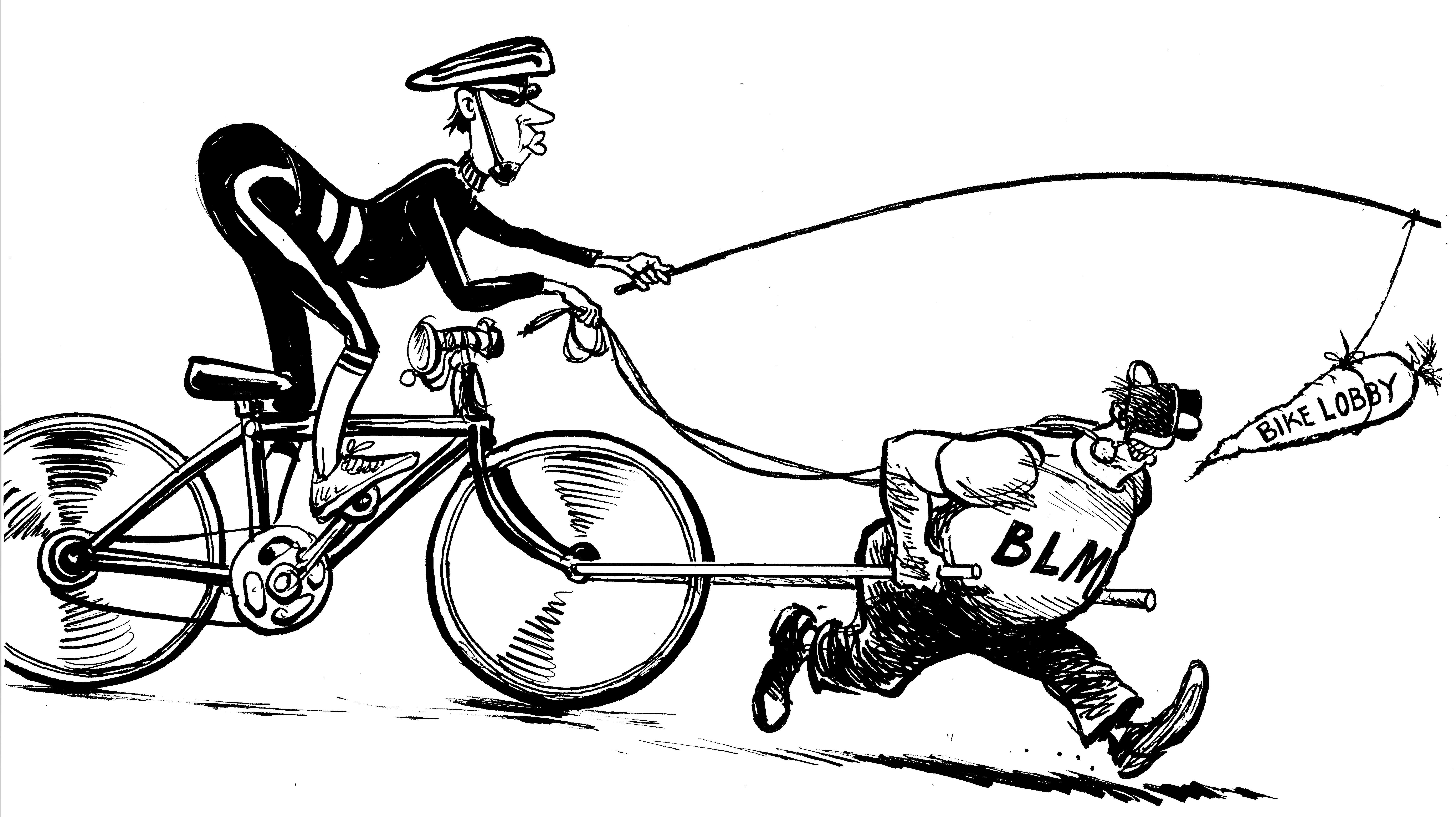
In 2023, I noticed one event that brought greenwashing to local Earth Day celebrations. Building new trails is not a pro-environmental behavior, especially when it comes to building those trails at Cotoni Coast Dairies. As I have mentioned in previous essays, that property has not experienced the kind of planning for trails that is necessary to conserve our extraordinary biodiversity, especially that land’s sensitive wildlife species and the species protected through its National Monument status. That hasn’t stopped the Mountain Bikers of Santa Cruz (aka Santa Cruz Mountain Trail Stewardship) from advertising an Earth Day event that focuses on habitat degradation. At their ‘Dig Day,’ volunteers will be unwittingly paving the way for unnecessarily wildlife disturbing activities. Earth Day volunteers will be helping folks rich enough to afford both a car and the gas to get to that park to bring their mountain bikes to have a ‘rad time’ on trails too narrow to be comfortable for bombing bikers and families going for a walk to use at the same time. To assure mountain bikers rule the trails, BLM has proposed rules that would make it illegal to step off of the narrow trails. It’s a pity that the Bureau of Land Management has had such a special relationship with this group, allowing them so much access to the closed park while turning away ecologists who would help better understand the plants and wildlife that need protection.

Illustration by DeCinzo

Outdoor Industry Lobbying Infects Earth Day

This Earth Day let’s renew our dedication to vigilance in protecting our public lands from well-funded special interest groups. In California as elsewhere, there are coalitions of businesses organizing to lobby for “increased access”(read wildlife habitat destruction). Their job is to “streamline regulations and policy affecting the active outdoor industry” (read stop public lands managers from protecting wildlife in favor of outdoor recreation). The clout of the Outdoor Industry Association is affecting politics, apparently trickling down right here on our North Coast.

Earth Day is Every Day

In closing, I hope you can sort through the Earth Day hype to find something meaningful to do. If you seek educational programs, may your experience lead in in the direction of actions that you can take to not only reduce your footprint on Earth but also to help improve wildlife conservation in and around the Monterey Bay. May we all think about that impactful, original Earth Day and how we might soon mobilize to push for the changes needed to avert the catastrophes of climate change. We are gathering together to make a difference, and our might will be felt in the near future.

-this post slightly edited from the original part of Bruce Bratton’s BrattonOnline.com weekly blog.

Public Testimony: Pathogen Response Process

What happens when a member of the public raises a concern about ecological pathogens to conservation lands managers during a public testimony process? This is a story that unfolded not long ago on the North Coast of Santa Cruz County concerning BLM’s management planning for Cotoni Coast Dairies.

Recall Last Week’s Column

If you haven’t already read my column from last week, it would be best to give it a quick read to put this essay into context. In brief, I outlined the devastation caused by reckless human movement of invasive, non-native pathogens affecting native plants and wildlife. The process introducing and spreading such pathogens is ongoing, despite the dangers being common knowledge. At the end of the essay, I pointed to the root cause of this issue, human greed, and outlined the common knowledge about the solution: slowing global trade enough so that we can take the time to be more careful. What I didn’t outline is what we can do more locally to address already introduced pathogens that have yet to spread across our conservation lands.

Conservation Lands Managers’ Pathogen Abatement Responsibilities

What responsibilities do conservation lands managers have for the wildlife and plants that occur on the lands they oversee? I’m betting you can guess one of those managers’ responsibilities…but not to wildlife and plants. Public access is often a conservation lands manager’s ‘responsibility.’ Consider the term ‘conservation lands’ for a moment and know that public access comes at a cost to conservation. So, part of those managers’ responsibilities is mitigating and avoiding the impacts of public visitors on wildlife and plants. And, those public visitors bring with them a variety of pathogens that can have grave negative impacts. While planning for public access at Cotoni Coast Dairies, unknown BLM staff wrote many statements acknowledging the danger of proposed recreational use and the spread of pathogens.

BLM Staff List Public Access Pathogen Dangers

Unknown BLM staff wrote extensively in the management plan for Cotoni Coast Dairies about the dangers of recreational use increasing plant and wildlife pathogens. They noted that recreational users “increase introduction of pathogens” (Chapter 4, pp. 5 and 11), which “pose risks to sensitive species,” impact native wildlife, and are “anticipated to impact aquatic species including special status fish species” (Chapter 3, p. 22; Chapter 4, pp. 18, and 32). BLM staff also addressed introduced plant pathogens using sudden oak death as an example. They noted that recreational trail use has been documented as being a significant source of the spread of plant pathogens (Chapter 4, p. 6). In addition, BLM staff also specifically addressed the spread of pathogens to wildlife from domesticated animals, warning that bobcats, grey foxes, dusky footed woodrat, and badgers are all known from Cotoni Coast Dairies and could all be negatively impacted by such diseases (Chapter 4, p. 19). The BLM staff went on to note that domestic dogs carry ‘hundreds’ of pathogens that can be spread to wildlife, including rabies, canine distemper, and canine parvovirus (Chapter 4. p. 21). Finally, the anonymous BLM staff also noted the dangers of introduced amphibian pathogens, including chytrid that is a major concern for California red-legged frog conservation (Chapter 4, p. 30), noting that recreational users spread such diseases (Chapter 4, pp. 35 and 36).

In sum, the BLM staff who wrote the governing management plan for Cotoni Coast Dairies articulated many of the concerns about introduced pathogens affecting the biota of that high-value conservation property. But, how did that knowledge affect their management? Very, very little.

BLM’s Management Response to Environmental Pathogens

After that litany of concerns, one might expect BLM staff to write appropriate management responses. Here are the two responses:

In response to the danger of domestic animals spreading pathogens to wildlife, they state:

“Therefore, BLM will not authorize or condone free-ranging dogs, or any other free-ranging domesticated animals or pets to utilize C-CD. (Chapter 4, p. 21)”

In response to the danger of recreationists spreading pathogens into the freshwater systems, they state:

“Therefore, BLM will seek to educate members of the public on this topic whenever possible. Appropriate signage may aid in reducing the potential for this to happen at C-CD. (Chapter 4, p. 36)

Note that the BLM staff avoided producing management measures that address the majority of the impacts of pathogens spread through the recreational activities they propose. This is particularly troubling because the foundational principle governing management of Cotoni Coast Dairies is not providing recreation, it is conserving the ecology of the property. Instead of outlining management to avoid or mitigate the spread of the pathogens, BLM staff favor recreational uses that they document increasing pathogen risk.

Pride, Prejudice, Ignorance, Overwork, or Institutional Policy?

Given the perplexing approach to increasing the danger of recreationists spreading pathogens that endanger the plants and wildlife of Cotoni Coast Dairies, it is reasonable to ask: WHY? The answer to that question seems to be ‘we will never know.’ Let’s examine some of the potential explanations.

On my documentation of planning shortcomings, one BLM staff person passionately and confidently proclaimed that their team had completely and professionally addressed all comments raised during the public comment period on the management plan. It could be that they were proud of their work and it could be that they were proud of the work of the other staff in their agency. And, given the clear shortcomings of the responses to my concerns about pathogen spread, it also appears that they might be prejudiced about the professionality of their agency. It might be that they are ignorant of the many solutions and mitigations available to stem the spread of pathogens on conservation lands. Another possibility is that staff are so overburdened with a multitude of responsibilities that they are unable to adequately address their planning responsibilities. Or, it might be institutional policy to avoid committing to certain types of management measures, whether due to cost, ease, or interference with recreation or other management preferences of prejudiced staff within the institution.

But, again, we will likely never know the reasons for these oversights. It is likely that BLM staff writing such plans will remain anonymous, so we won’t be able to ask individuals. When I’ve asked staff to refer me to the individuals responsible for decisions so that I could ask them about their rationale, they’ve refused. When BLM suggests that they ‘welcome public input,’ or are ‘seeking public input,’ such as with their latest proposal for a parking lot at Cotoni Coast Dairies, you have to wonder if your time is being well spent providing that input, given the hypotheses presented here. All we can do meanwhile is investigate and hypothesize: is it pride, prejudice, ignorance, overwork, or institutional policy that will lead to recreationists spreading the pathogens  that will kill the wildlife and plants at Cotoni Coast Dairies?

– this essay slightly modified from that which was presented by the esteemed Bruce Bratton at his laudable BrattonOnline.com weekly blog.

Contrasting Two Biodiversity Hot Spots

When I can muster it, I travel to the American tropics to experience an even greater degree of species diversity than California. I’d like to share some of what I noticed in the contrasts between the people and places I experienced this December in Ecuador, perhaps the most species rich place on Planet Earth.

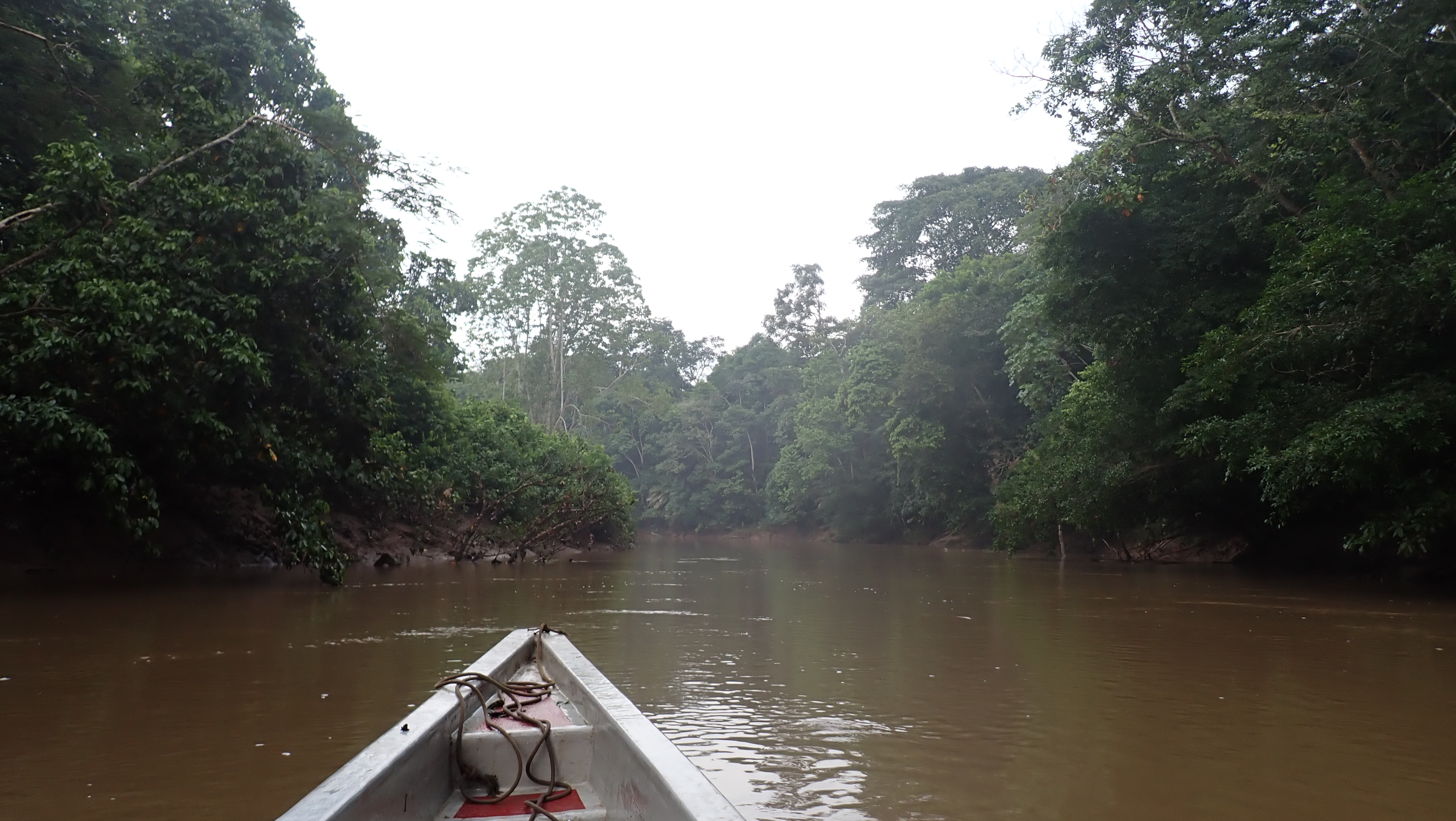
A indigenous guided Amazonian river tour in Ecuador, one of hundreds available

Oh, the Riches

One of the most interesting conversations I had while traveling in Ecuador was during the taxi ride back to the airport as I was departing for California. I mentioned to the taxi driver some of the things I’d noticed in Ecuador that contrasted with California. For instance, the roadways were clean – no litter! Also, I hadn’t seen any homelessness during my travels, though I frequented areas where entire people had no obvious means of employment. Everyone I encountered during my 3-week stay had been more than polite – outgoingly kind more like it. And, those with whom I interacted seemed to appreciate and even understand a lot about the biological richness of their country. I told the taxi driver that these things were surprising to me as Ecuador was supposed to be such a poor country. He shook his head and corrected me – Ecuador is a rich country, quoting Friedrich Wilhelm Heinrich Alexander von Humboldt, “Ecuadorians are rare and unique beings: they sleep peacefully in the midst of crisp volcanoes, live poor in the midst of incomparable riches and rejoice with sad music.” He then asked me if the United States was also a rich country, and how well did the people of the USA sleep? I didn’t know quite how to answer. (It turns out that one-in-five US citizens take sleep medication regularly).

Tourism Economy

It is interesting that both Santa Cruz County and the country of Ecuador generate approximately the same amount of cash due to tourism: $1.1 billion annually. It is there that the similarities end. The Beach Boardwalk is the driving force for Santa Cruz County tourism. Experiences in nature are what drives tourists to Ecuador; they go to experience Darwin’s discoveries in the Galapagos Islands or to see the rich jungles, volcanos, mountains, and the plethora of wildlife. Everywhere you go in Ecuador there are lodges hosting people whose destination is Nature. Lodges are gateways to the Parks, and each lodge has a cadre of nature guides trained to help tourists see the richness around them. Nature guides study for years to become certified to lead tours in the parks. The guides I met could identify hundreds of birds by their songs, knew a bit about most of the plants we encountered, could identify tracks in the mud, and could talk about the distribution of species across the country and beyond. There are hundreds and hundreds of such guides in that country, which is the size of Colorado.

What a Contrast!

As I returned home, I wracked my brain to think of a single lodge in the Monterey Bay that caters to nature tourists and has any nature guides at all. The San Francisco Airport toilets were much nastier than the toilets in the Quito airport. Trash litters Highway 1. The homeless population was not sleeping peacefully, though others might have been, back in my hometown of Santa Cruz. I’m not sure how many of my culture were rejoicing, with sad music or otherwise: joyfulness is not a phenomenon I equate with this culture. Certainly, most of us living around the Monterey Bay aren’t living poor, but we, like Ecuador, dwell ‘in the midst of incomparable riches.’

Miles of beautiful coast and not an eco-lodge or terrestrial biodiversity guide to be found

When is a Tourist Just a Tourist?

What does it matter that tourists go to the Boardwalk versus taking a walk with a nature guide? They come, they spend, they go home…its all good for the economy, right?

Between guided hikes at an Ecuadorian lodge at 9,000’ I sat by a fireplace looking through the reading material on the coffee table. There, among giant, full-color books published by the Ecuadorian government about the nation’s biological richness, I saw a magazine published by the American Bird Conservancy. That group, and the Audubon Society are two fairly mainstream conservation groups working to save birds from extinction. Many of the tourists supporting Ecuador’s lodges are birders. There is a natural connection between tourism and conservation. The same cannot be argued about Beach Boardwalk visitors.

So, why isn’t there an economy of immersive nature tourism around the Monterey Bay?

The Thrill Isn’t There and We Just Don’t Care

Thrilling, isn’t it? Roller coasters…rides…the children won’t be bored. Once the children grow up, the adults head overseas to see birds and nature: why not sooner? What is it about Nature that makes experiencing it so family unfriendly?

Even a drive along Highway 1 is so unenthralling as to invite so much littering.

Do we care so little about impressing the tourists, do we have such little pride, that we don’t bother keeping our airport toilets and roadsides clean? Aren’t we richer than that? Or, are we really quite poor?

What would Humboldt say of those currently living around the Monterey Bay? “They are just normal beings: they sleep fitfully in the midst of isolation and crime, living poorly in the midst of incomparable riches and rejoice in violent movies.”

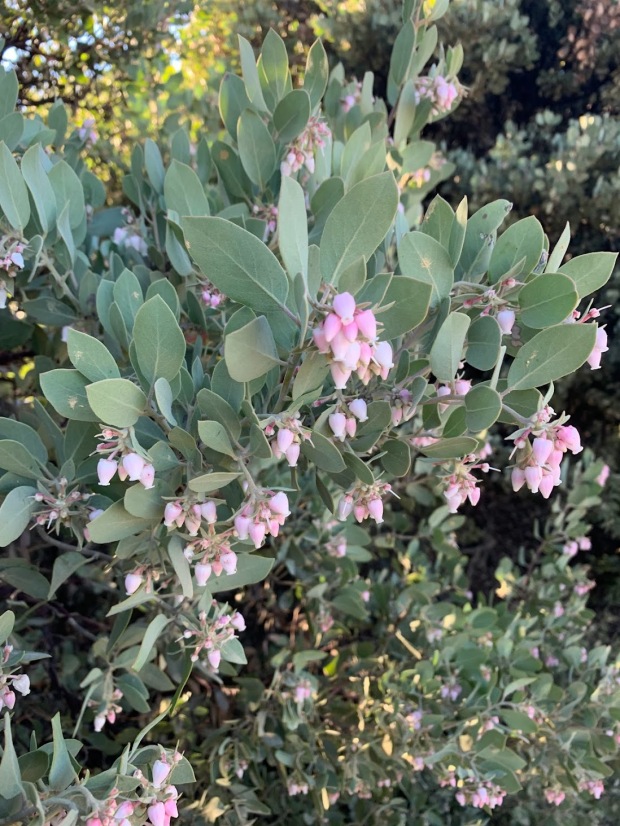
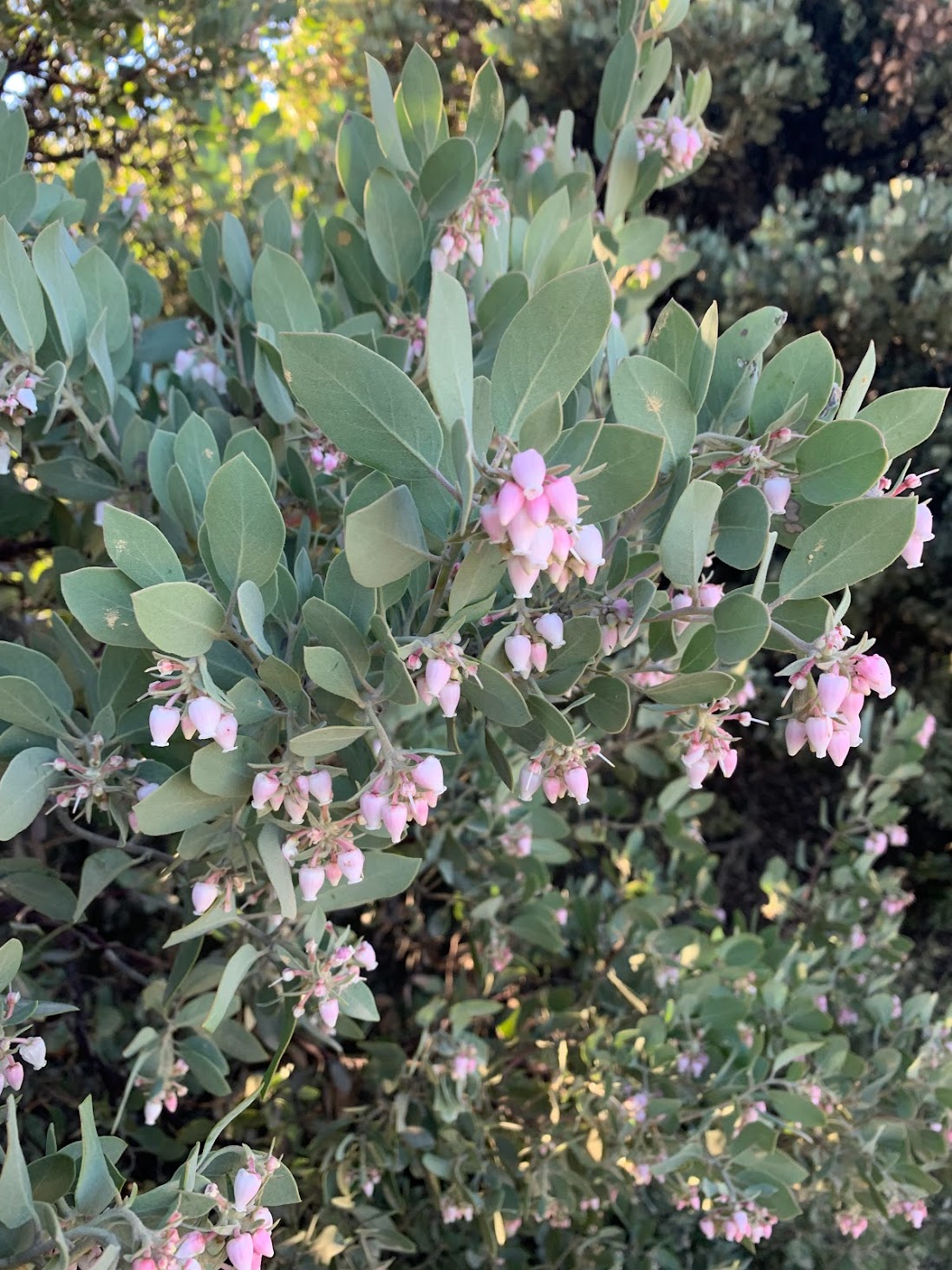
Hoary manzanita, Arctostaphylos canescens – on granodiorite, ridgeline south of Loma Prieta

Awake! The Unfolding is Nigh

Now the rain has wetted the green hills, flowers are bursting, birds are singing spring songs, and streams are noisily dancing. The solution is at hand. Toss aside the social media, decline the invitation to the movies, take the trail and saunter. Invite someone to join you, someone with whom you can adventure and discover the amazing life unfolding around the Monterey Bay. First on the list: the manzanitas! A dozen species within a short drive – discover them all, their beautiful bark, their honey-scented flowers with hummingbirds and bumble bees aplenty. Jackrabbits and brush bunnies, roadrunners and quail, coyote and mountain lion tracks around every corner. Need a guide? Sign up for a walk if you can find one: ask me if you can’t. The Monterey Bay’s ecotourist economy and resulting conservation start with you, now and tomorrow. Let’s make Ecuador a sister country to the Monterey Bay – biodiversity hotspots with plenty of inspiration to share.

-this post originally appeared as part of Bruce Bratton’s laudable BrattonOnline.com weekly blog: check it out! Subscribe! Support! It is The Place for news on the Monterey Bay. No other outlet supports a regular environmental column. Other outlets have SUBPAR environmental reporting.

Not Passing Through

A fundamental issue related to the inter-connectedness between humans and between humans and Nature is how we move. How often do we change homes? When we are doing errands or our work, how quickly do we move around the landscape, in cars, bikes, buses, or on foot? When we visit nature, how do we move…and how fast?

Changing Homes

According to surveys, US citizens move from one house to another 18 times. On average, they move every 6-11 years, depending on region and economic status. In other parts of the world, such as China, there are millions of itinerant workers who are on the move all of the time. Refugees from war, climate disasters, cartel/mob threats, etc., are numerous. Is this natural?

Some would suggest humans are naturally nomadic. Long lived civilizations are very rare, and I’d be interested in knowing how long pre-industrial indigenous group are thought to have remained in the same territory.

The Social Meaning of Moving

Neighbors are a very long type of human relationship. Some people don’t know their neighbors. Some even don’t want to. The throng of cities provide anonymity that some crave. Rural areas lay bare the need to interact with neighbors. Some loner rural denizens stand out in their desire for isolation, leaving the rest of the neighborhood wondering and curious. That spectrum means there is a wide variety of meaning when we move away from the social fabric of our neighborhoods. When we move farther still, we leave behind those we chose to interact with, our communities, our friends. How have those moves affected you, your family, your friends?

Lost Communities

I posit that the frequency of people moving is negatively affecting the quality of communities. If people stayed put more, wouldn’t they come to better understand the things that affect their community? Even if they aren’t particularly interested, it seems like people gradually come to understand housing issues, strains on water sources, the health of the public transit systems, who has power and who doesn’t, how weather affects people, social norms, and history. Each of those types of understanding influences our relationships with others in our community and can affect the political parties and politicians we choose. When we move, our votes make less sense, and our communities suffer the consequences.

Moving Around Where We Are

Closer to home, how do we move about in our daily lives? I am amazed at rush hour traffic and suppose that most of those people can’t afford not to be moving so slowly, breathing thick exhaust. For a long time, as a commuter, I tallied the very expensive vehicles on the road at various times of day. Not surprisingly, the rich are better able to avoid rush hour. So, how and when we move around is highly affected by how much money we have. But, everyone moving in cars on the road share the experience of isolation from each other and from the world as a whole. The more time people spend in their cars, the more isolated they are.

Economic conditions notwithstanding, Covid lockdowns changed many people’s movement patterns. People looked at their homes differently. For instance, people started cultivating many more houseplants. As the urban bustle subsided, wildlife started edging further into the built environment. We noticed the world around us a lot more. It was quieter both on the streets and in the air. Air pollution declined. Some of our movement patterns remain curtailed despite city governments’ attempts to get businesses to reverse work-from-home policies.

Moving Around In Nature

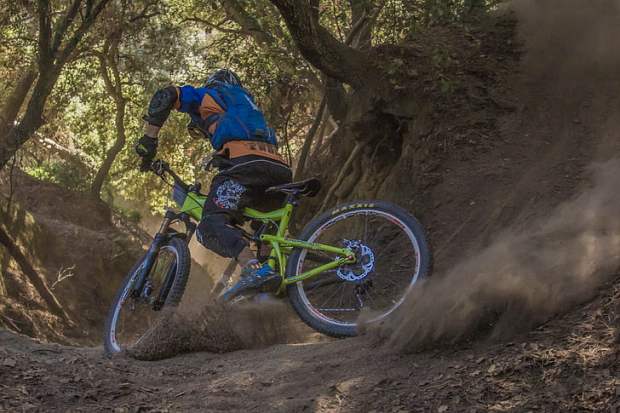
A ‘avid’ mountain bike enthusiast once told me that they rode carefully so as to avoid running over newts. For those who read my column regularly, you know I have an affinity with newts. When I walk in the forest, avoiding stepping on newts is something that keeps my attention. It is not easy. Newts blend into the forest floor easily, are varying sizes and move at varying speeds, and are sometimes so numerous that you have to walk ever so gingerly to avoid them. It is even more difficult for a bicyclist to avoid smashing newts, and that example serves for a world of other nature interactions. The faster you move around nature, the less likely it is that you will see the nature around you. Also, bicyclists, by covering more ground than those on foot, also disturb more wildlife than other, slower-moving parks visitors. If we are looking to increase the nature sense of humans, we must work to get mountain bikers off of their bikes, so they move more slowly and experience nature more deeply. The same goes for joggers. Parents who care about helping their children connect with nature have a challenge to show their kids how nature is exciting even if you aren’t on a bike or running through a park.

Infrastructure in Nature

‘Stay on the trails’ is an increasingly common park visitation rule. It wasn’t that way very long ago. Technically, State Parks has to formally designate an area as a natural reserve to legally restrict use to trails. At Cotoni Coast Dairies, the land managers have to go through an arduous rulemaking procedure to restrict future visitors to trails. Staying on trails changes the way you experience nature. Wildlife avoid trails. The vegetation surrounding trails is different. Your chance of encountering other people on the trails changes your experience. And, most trails are designed as straight lines, as if we are all in a hurry to get from one place to the next when we visit nature. Trail builders with parks agencies think that people want ‘loops’ and are averse to ‘out-and-back’ trails. Turn offs from the main trail better end in some giant attraction, like an incredible view. Those straight lines and loops create a certain type of experience for parks visitors. I suggest those designs enforce a more fleeting and more separate interaction with nature. What would it be like if more trails led one way to nothing obviously spectacular? What if parks managers designed in slow, immersive experiences into their ‘infrastructure?’

If people slowed down, looked around, and took more time to experience nature, wouldn’t that connect them more with the natural environment? Wouldn’t that connection make them care more about protecting the environment? Just as people moving less increases the possibility of caring more for their neighbors and human community, people moving more slowly in parks should increase their caring for the non-human world.

-this post originally published by Bruce Bratton in his highly engaging and enlightening weekly blog found at BrattonOnline.com, where you can turn for the most meaningful news for the Monterey Bay area.