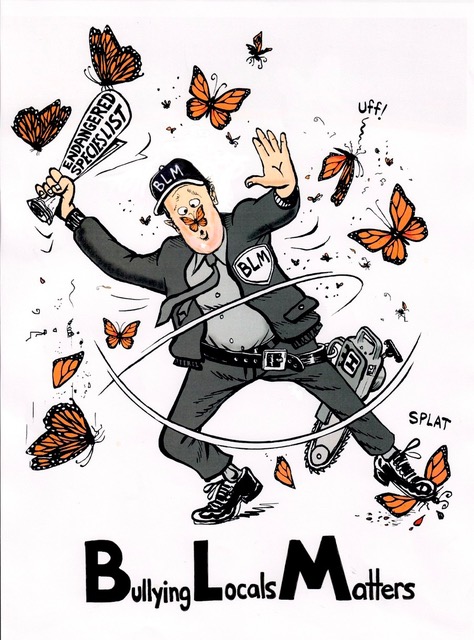
BLM

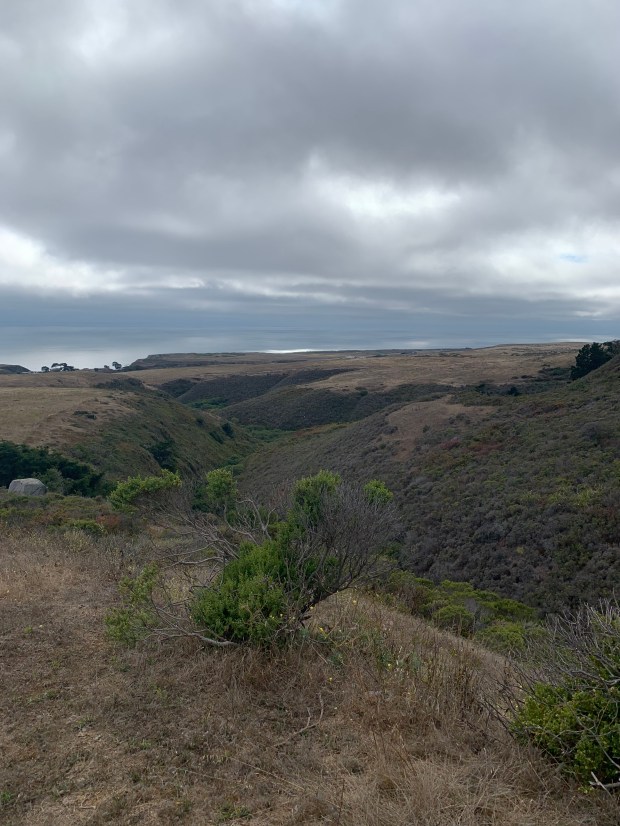
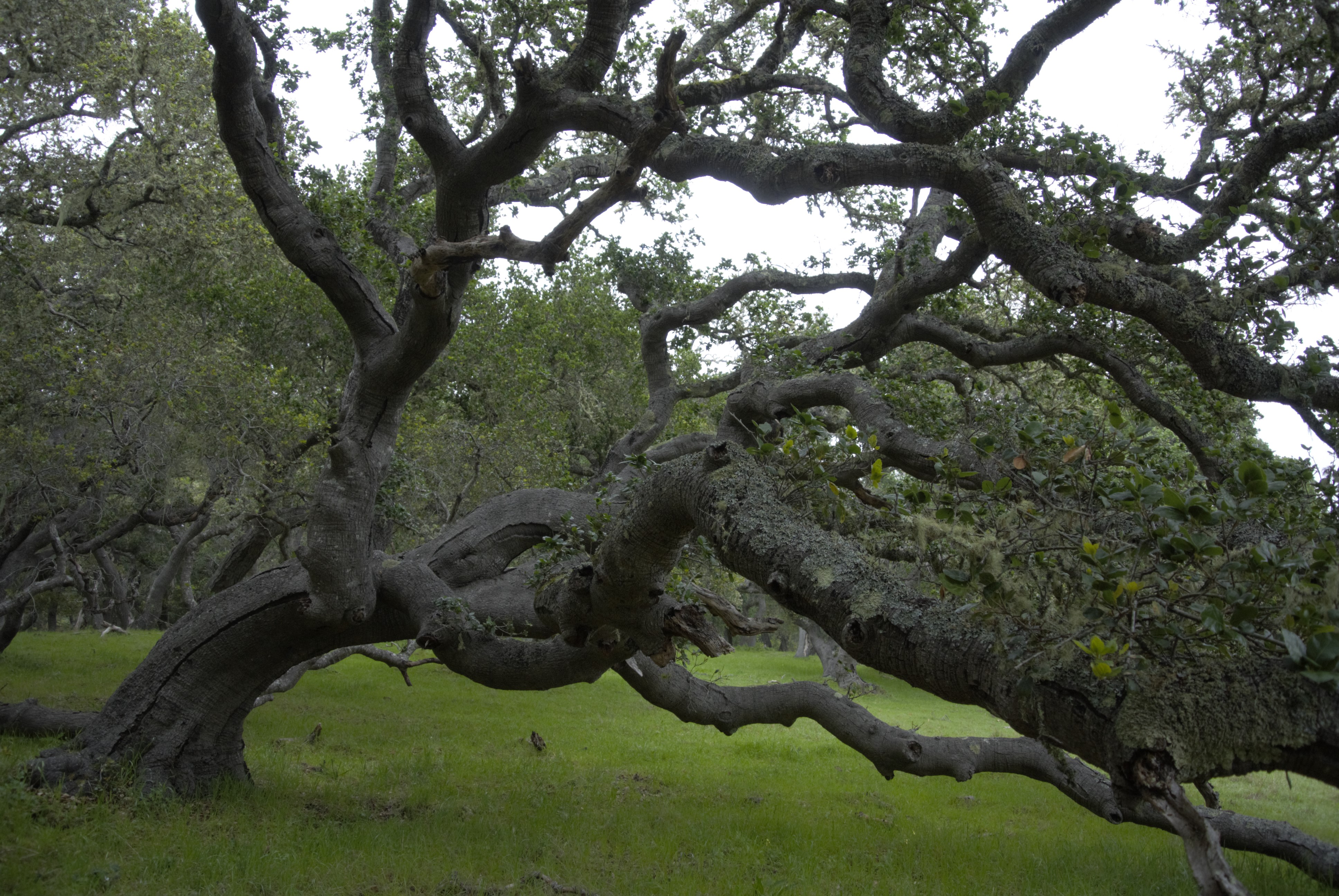
A view to the sea overlooking habitats at Cotoni Coast Dairies

Restorative Justice: Trust for Public Land and Coast Dairies

There is healing to do in my community, but no one is moving that forward with one particular travesty. We’re approaching the 7-year anniversary of a local conservation organization’s legal action against our community, including environmental hero Celia Scott and others. In 2018, the Trust for Public Land sued a group of my community. Their actions incurred long-lasting damage to personal lives and the willingness and ability for the public to remain engaged in the hard work of protecting the North Coast of Santa Cruz County. This story is a microcosm of society-wide problems. In this essay, I explore this scenario in hopes that we can heal or at least learn from the past in ways to strengthen and improve the future, in similar situations.

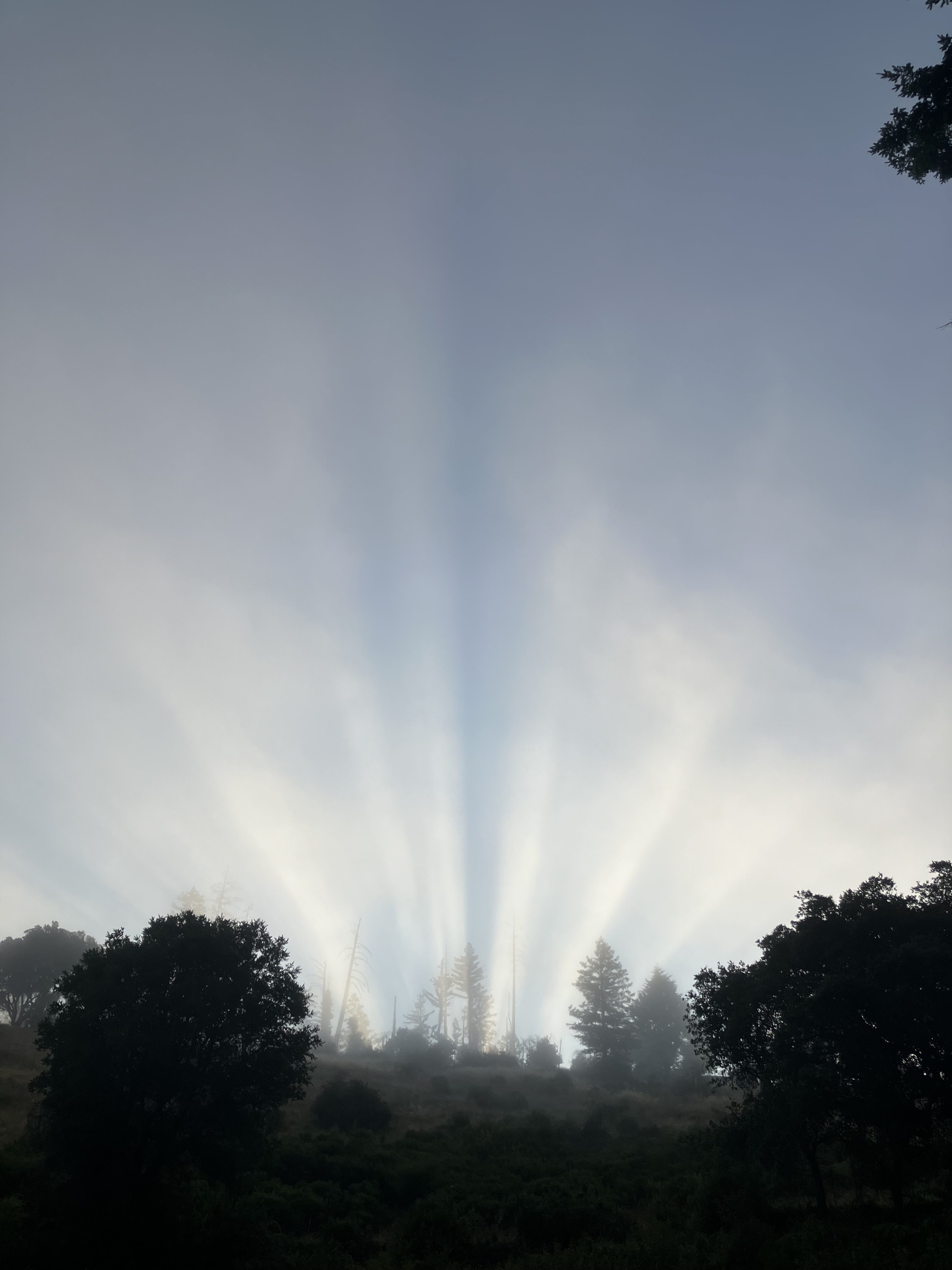
The sun rises from the fog, hope for a new era

What Happened?

In 2014, we were extremely concerned that the Trust for Public Lands chose the Bureau of Land Management (BLM) to take possession of ~5,800 acres of the ~7,000-acre Coast Lands and Dairies property. This would be the first transfer of large acreage in Santa Cruz County to the Federal Government, putting decision making, environmental review, and management oversight far afield from local influence. Moreover, the BLM is nationally recognized as being the ‘bottom of the barrel’ of public land management agencies insofar as their ability to provide adequate staffing or adequately analyze and plan for protecting natural resources and managing visitor use. ‘Don’t worry,’ the Open Space Illuminati whispered, ‘the land will go to National Parks soon enough.’ ‘The Great Park’ was their dream, a way of cementing the legacy of a very few boomers and their deep-pocketed, old school “environmentalist” funders. A dozen or so local veteran conservationists were clearer eyed and decided to fight back. 

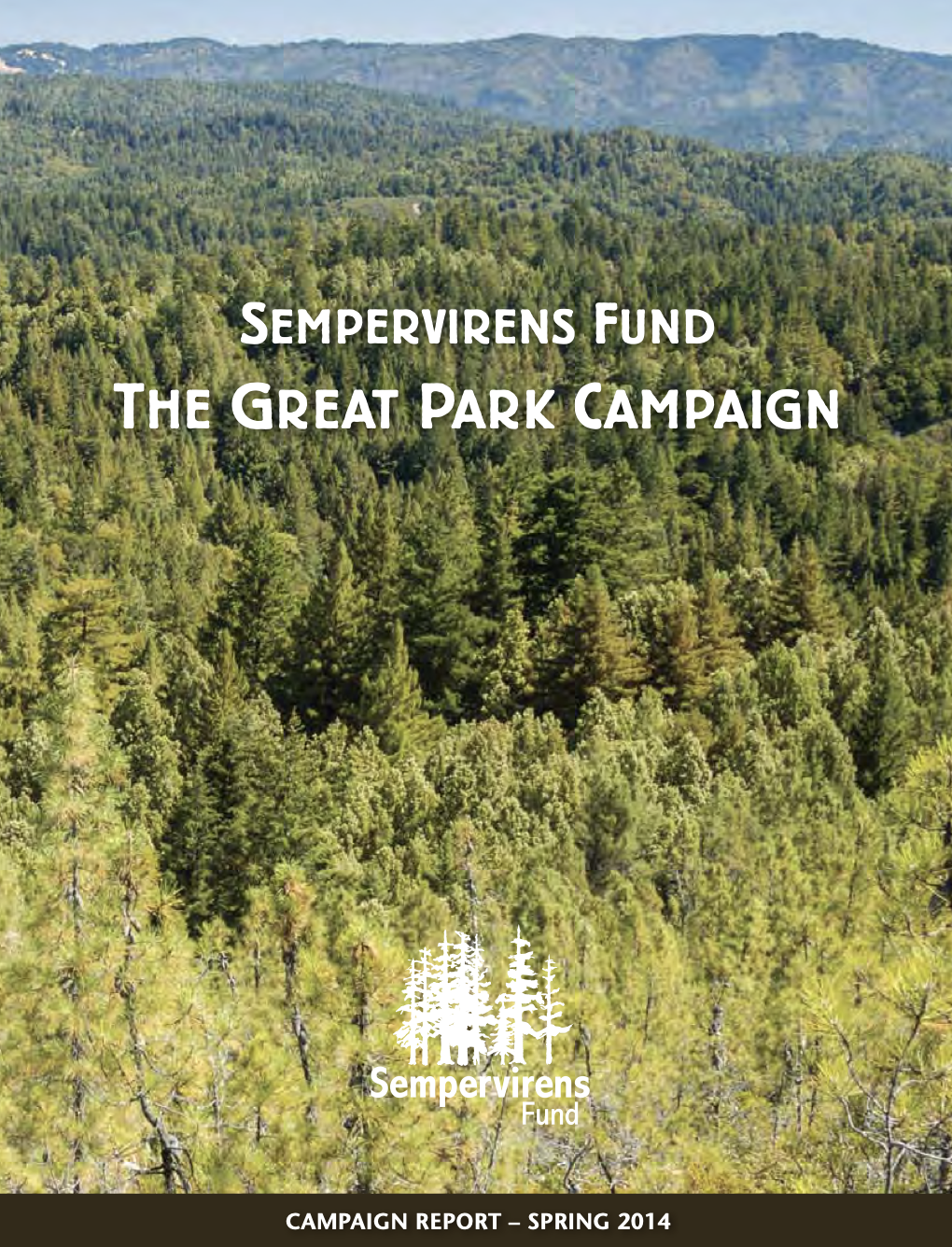
The Sempervirens Fund’s Great Park Campaign publication cover, see this link for more.

This coalition worked with experienced legal counsel to challenge the federal lands transfer based on TPL’s need to divide the property between State, private, and Federal ownership…a process requiring County and Coastal Commission approval. When their legal action failed, TPL sued those activists, demanding a large financial settlement. TPL’s legal action also failed but not before the damage was done to individuals and their families as well as the coalition overall and my community of conservationists in general.

Outfall

TPL’s lawsuit echoed through the region, hobbling conservation and damaging community. The Open Space Illuminati felt more empowered, less humble. Family members questioned whether activism was worth the risk, fearing retribution affecting their already tenuous ability to live in an increasingly unaffordable area. Conservationists wondered how a ‘conservation’ organization like TPL could launch such an attack.   

The Bullying 

This history is but one instance of something we see unfolding nationally with greater consequence. In most political spaces we have mainstream, wealthy, influential ‘centrist’ “liberals” that are sure that they know what’s best for everyone, and they are determined to force their reality forward. They bully and demonize progressives who are often under-resourced for such battles: ‘successful’ centrists are often in wealthier circles/circumstances, and their visions often include methods of increasing their financial advantage. Do we forget progressives’ criticisms of the World Bank and US AID for their paving the way to the destruction of communities and ecosystems? Newsom is so good at bullying Trump because his centrist community are very experienced at bullying progressives, and they’ll be back at that focus soon enough. The centrists love the far right for the power that gives them to move the populace to the center where the rich get richer and the environment and the poor suffer greatly. The Coast Dairies situation is a microcosm in another way.

Microcosm

Many of us are familiar with the story of the colonialist tragedy affecting indigenous people, but can we also apply some of those lessons to the situation with TPL at Coast Dairies? We know we are on the unceded ground of indigenous people: each and every one of us reading this. At the same time, many prescribe to the philosophy of such colonialism when we celebrate the “keystone” of “successful” conservation. Cheers ring out when property is purchased for a park, and few ask who is losing when that happens. Some of us are familiar with the boundaries of parks being drawn without consultation of native peoples around the world: indigenous people displaced by ‘conservationists.’ Few of us see the parallels with such dangerous transitions in California where the ‘We can do better!’ mentality overwhelms local communities. 

Can We Do Better?

Conservationists celebrate the quick transition away from local control, yet traditional land management knowledge is lost at great peril. Those engaged in traditional forestry know how to manage land at scale, restore forests, grow trees, and reduce wildfire risks. Those engaged with traditional range management also know how to manage lands at scale, control herds of beasts to ecological benefit, and identify stewardship risks before they become catastrophic. Indigenous peoples have a much deeper and broader experience to share. Instead, the conservation community often removes these previous communities from their stewardship roles, instead entrusting land care to too few University-educated elites with their small share of experience matched by their lack of humility, and framed by their embrace of pro-forma ‘management planning and environmental review’ processes designed to protect them from public conversation, criticism, and legal challenge.

All of this is happening at Cotoni Coast Dairies. Can the situation there, including with the Trust for Public Land, help model a way to overcome this negative global spiral?

 Reconciliation

I am suggesting that we go through a truth and reconciliation process for the Coast Dairies debacle, including the TPL’s legal action against our community. 

First, we must seek to understand. Who was involved with deciding that the Coast Dairies property would best be in BLM’s hands? Let’s hear from those individuals about their decision and what they think about that nowadays. Who was involved in the decision to sue our community members? Let’s hear from those individuals about what motivated that action. Why did community members sue TPL? Let’s also hear from those individuals about what they were hoping to achieve and how they see their loss affecting the current situation. Can we also hear from the Federal decision makers: how does the machinations of federal control address the concerns of our community?

A well facilitated truth and reconciliation process can move forward from such mutual understanding towards solutions that can help to heal the past and move to a more productive future.

I predict this reconciliation process will not happen until the Open Space Illuminati and the Federal decision makers feel that they are no longer ‘winning.’ Then, they might see that they need the help of the people they have marginalized. This will require the marginalized to gain more power. Please join the movement by talking to your network about these issues.

If we don’t address these past injustices, it will not be a long wait until we see them repeat in larger and more tragic ways. Right here in our communities.

-this post originally published as part of the illuminating BrattonOnline weekly blog, featuring leading thinkers on local, regional, and global affairs…in this era of squelched free speech, it is best to keep our minds agile by reflecting on well-informed commentary and journalism. Subscribe now and SAVE (your mind- the blog is free).

Cotoni Coast Dairies BLM Land Opens to Public

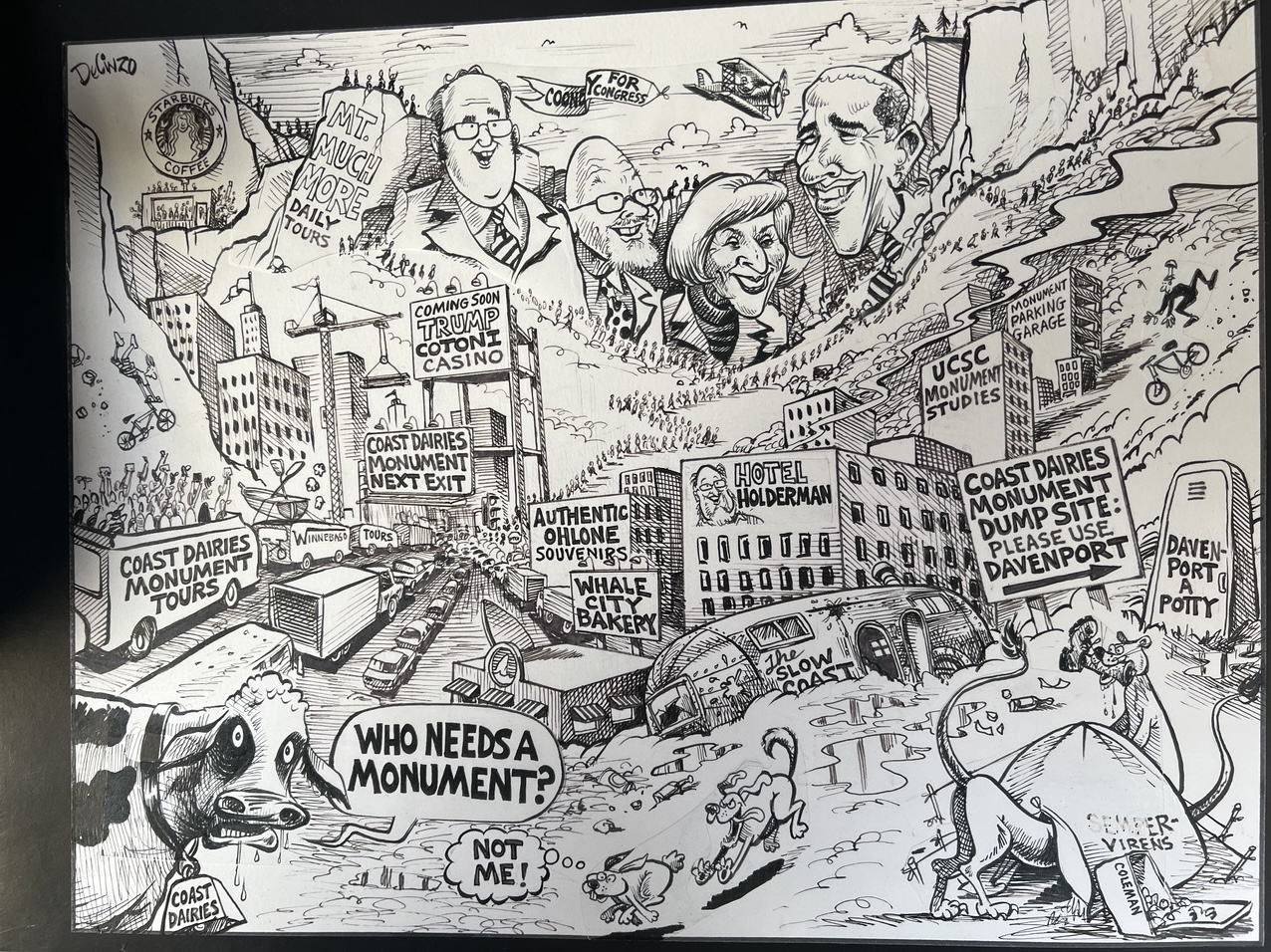
The opening ceremony for public access onto the Federal Bureau of Land Management’s Cotoni Coast Dairies property was on August 15, 2025, a grim day for those who have followed this travesty, which will only worsen with the planned public access.

Many thanks to De Cinzo for this image

Building on a Tragic History

Nothing good led up to this moment. There is no one left who speaks the language of, or can show direct descendance from, the native people of this property. There are rich archeological sites illustrating that this land was settled for thousands of years. So, as with every spot in California we must see this property and how it has been and will be used as a colonialist endeavor. There is no attempt to give the land back to any coalition of First Peoples who represent those ancestors or to respect them in any way that approaches restorative justice. Oh, but there’s the name…(!)

After the genocide, the land has seen one extractive use after the next with little regard for conserving nature. The ‘Coast Dairies’ portion of the name points to cows, and cows there still are. The grazing regime has never focused on restoring the very endangered coastal prairies on the property and, even now, there is no plan to do so. This recreational use is a new, highly impactful extractive use. The property is rare for the Santa Cruz Mountains in having had very few human visitors for the last 100 years, so wildlife has been accustomed to roaming without disturbance. Cougars and badgers are especially wary of humans when setting up dens. A million visitors a year will soon be visiting and wildlife will flee.

The consortium of people responsible for so many other, better outcomes for conservation tried hard, won some concessions, but have seen great loss with how this property came to be open to the public. We tried to get anyone but the Federal Government to manage the property, but the Open Space Illuminati had other things in mind…’The Great Park’…a handful of boomers wanted their legacy in a wide swath of the area becoming a National Park. They stopped at nothing to achieve that legacy. The activists, biologists, conservationists, and regular citizens, were even sued to strike fear into them, to make them capitulate.

Money Made it Happen

The Wyss Foundation bankrolled cash-strapped ‘conservation’ organizations to create a fake grassroots campaign that culminated in Obama signing a Monument Proclamation adding 5 properties across a wide swath of coastal California to the California Coastal National Monument. 

Then, the BLM routed hundreds of thousands of dollars, sole-sourcing a contract to a mountain biking advocacy organization to build the kind of trails their users wanted to see. That business quickly changed their name to a ‘trails’ organization. Instead of supporting good paying local jobs, the BLM paid this organization to rally volunteers to do the work of installing trails that were placed across a landscape without regard for the wildlife written into the President’s Proclamation for protection. When asked about how they could do such things when the property’s designation required favoring conservation over visitor use, BLM cynically snickered that the majority of the property, 51%, is set aside without public access. The rest, apparently, is a sacrifice zone.

What We Wanted and Will Pursue

Those of us who care about the native peoples, the nature of the property, and the experience of future visitors have a vision, which we will pursue despite setbacks. The land should not be Federal land – if you wonder why, you need to look at the current situation with federal lands nationwide. We always knew this, but now others are starting to understand our concerns. The current administration is selling federal land for real estate development and other extractive uses. If, after cutting the federal workforce, there are any staff remaining to manage the land at all, that will be a surprise. The Administration has said Federal lands will remain open to visitors even if there is no staffing or budgets. Oh no- could my dystopian vision for the property be closer to reality?!

 If there is a chance, California should buy Cotoni Coast Dairies. Then, let’s envision taking Canada’s Indigenous Guardian’s project to this place, giving tribal people primacy in stewardship, use, and oversight. Perhaps the State could give the land back, as it has just accomplished with the Yurok.

If the property is to remain a public park with visitor access, there needs to be a radical shift in how that is approached. The regulatory designation for first managing the property for conservation needs to apply even to the areas with public access. This will require altering use patterns, even closing the trails occasionally, for the benefit of the soil, streams, wildlife and plants that Obama clearly intended to protect. There will need to be lots of monitoring and enforcement to adequately protect natural resources. The BLM will need to do a ‘carrying capacity analysis’ to determine ‘limits of acceptable change’ – thresholds that, if surpassed, trigger altered management of visitor use to bring the use into alignment with conservation. 

Next Steps

It will soon be possible for visitors to monitor the situation first hand. Those of us who asked to do baseline monitoring of wildlife and plants were refused the opportunity many times. When we asked how small children and the elderly could possibly co-recreate on trails overrun by fast-moving mountain bikes, our concerns were dismissed. We will be able to help document how well BLM’s rules are working and if there is enough enforcement. We will be able to see the spread of diseases introduced by bike tires and hiking shoes ravage the amphibians, the trees, and the soil, and we will recall how BLM staff predicted those impacts in writing, with administrators choosing to ignore even the simplest measures that hundreds of other parks managers have employed to address those concerns.

-this post updated to past tense from the one posted via Bruce Bratton’s legacy site BrattonOnline.com

Cotoni Coast Dairies, 2064: A Dystopia 

I invite you to immerse yourself for a few moments into my nightmare of the future of Santa Cruz’ North Coast. How will Cotoni Coast Dairies fare in the future, for instance in 2064? During the past year, many things have aligned to push my nightmare closer to reality. Note, this essay is the opposite view of my prior utopian sketch published here.

Wilder Ranch 2064
State Parks held off the Populists for a while, but California relented

The Recipe

Extreme factions of the far right have expertly wrangled a successful populist movement, gaining control of all three branches of the US government. Swiftly, we see dismantling of conservation including parklands staff and environmental protections for wildlife, clean water, and clean air. We recall Brazil’s Bolsonaro regime and their treatment of the precious natural areas of the Amazon and its inhabitants: park boundaries ignored and rapacious resource development encouraged, including illegal settlements. This story has been repeated in many places around the world as populist national political interests are imposed. These trends repeat: abandoning local interests with the establishment of the parks at the outset and continuing alienation of local people post parks development. As ecologists and conservationist Dan Janzen has wisely noted, it is important that the most local people see their own interests reflected in conservation lands, so that they will play an active role in protecting those lands.

What’s Coming

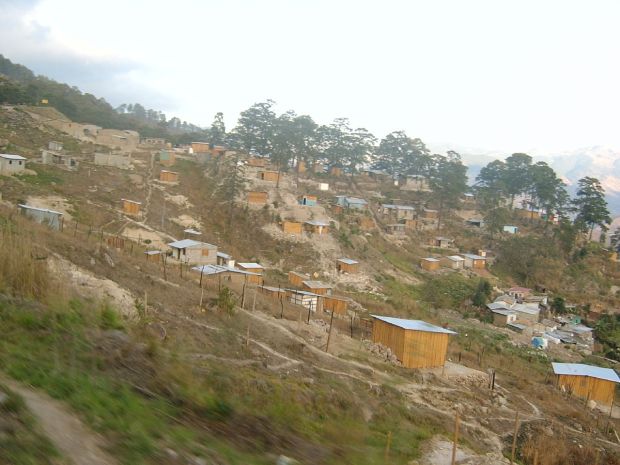
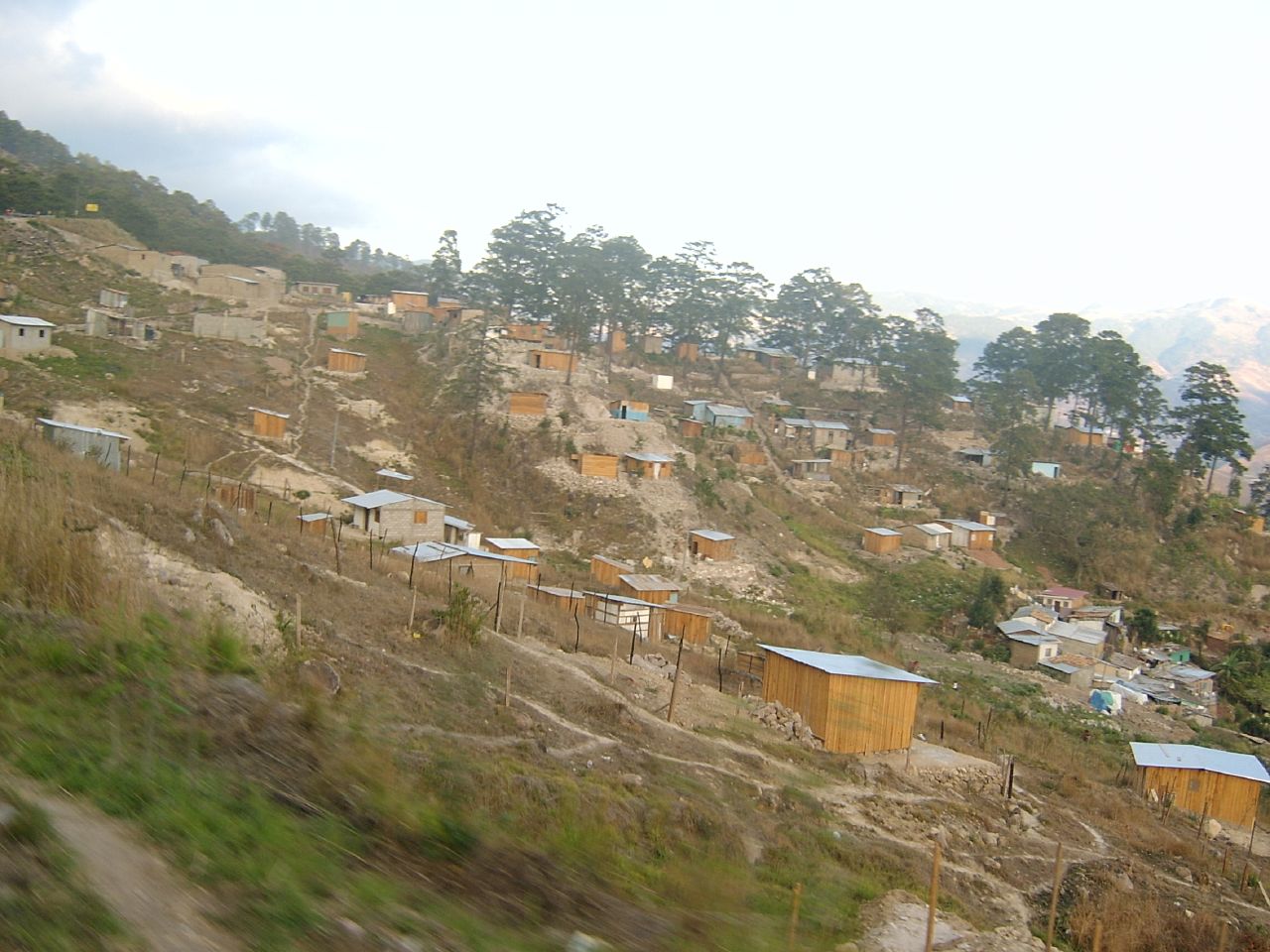
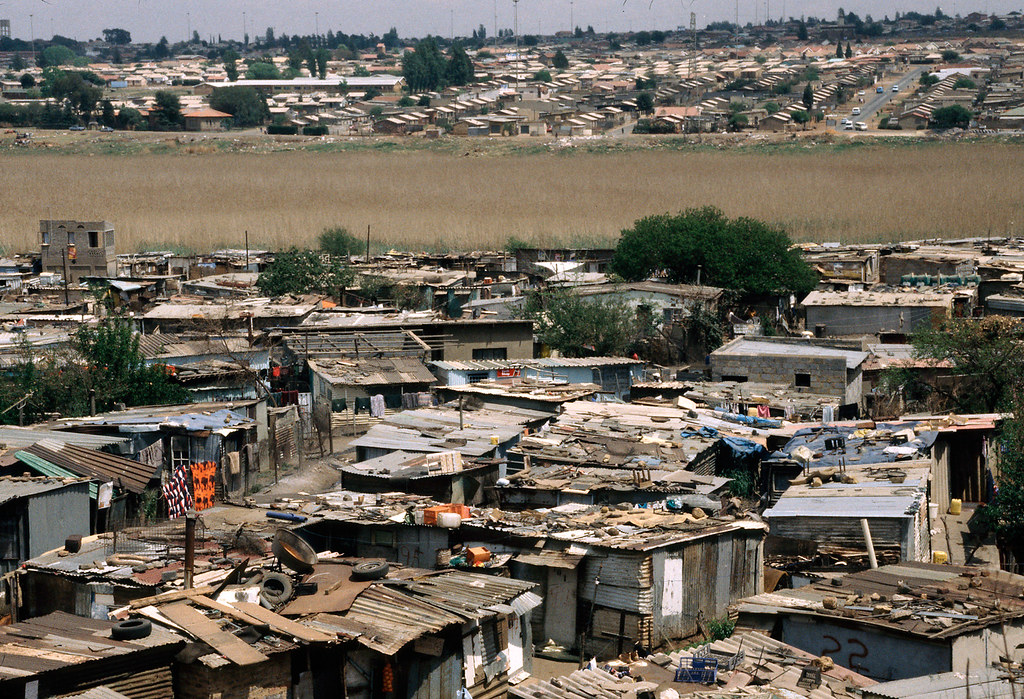
It is 2064, the 50th anniversary of Cotoni Coast Dairies becoming public land, and none of the hundreds of shanty inhabitants living on the property are reminded of the significance of this milestone. Parking areas and trails, once developed for the recreational elite, are covered with trash and lean-to cardboard and tin shelters, which started during the Hard Times of the 2030’s. Presidential Administrations have opened most federal lands, especially Bureau of Land Management lands, to settlement, promising to alleviate housing shortages. Millions had been displaced by extreme heat and epic storms, driven by climate change in the quickly uninhabitable interior USA. The squalor of the hastily erected federal land climate refugee camps contrasts only slightly to those on the nearby State Parks lands, which were opened by the Governor a little later and had ad hoc administrators that attempted (at first) to organize them. 

Missing Wildlife

By 2050, wildlife on the North Coast existed only as a fond memory of most settlers, who longed for the first decades of feasting on their tasty flesh. Even the smallest birds have succumbed to cooking fires, and the land is silent, without bird song. Tide pools have been scraped clean of limpets and mussels and people comb post-storm beaches for kelp and other marine vegetables, otherwise out of reach from harvest.

Cotoni Coast Dairies 2064: “House Everyone!!” The President cried, and BLM was the first to comply

Wildfire

Fires have become tamer after the raging infernos of the 20’s and 30’s consumed the last of the mature trees and, eventually, even their memories…the blackened snags and stumps. Storms come almost every summer, and it is rare that lightning fails to ignite a hundred fires between Santa Cruz and Half Moon Bay. These run quickly across the mountains in the regularly howling winds, consuming whatever diminutive weeds survive. Hundreds of people succumb to wind-driven infernos, but more replace them. As bad as it seems, there is no better place remaining: the seasons are still relatively mild compared to anywhere else in the country.

The Water 

The much-feared Water Guard and their families are the richest among the abject poor, for the cost of this scarce commodity cannot be avoided. They maintain and guard impoundments in the few streams that still provide water: Waddell, Scott, San Vicente, and Laguna Creeks. The other streams disappeared by 2050, now only scorched, mud-filled, lifeless canyons. The dams in the remaining creeks are maintained at high cost and much labor. Deluges are followed by flash floods carrying boulders, silt and debris that easily fill the tiny reservoirs. The stronger people earn water credit in trade for their labor rebuilding the dams, cleaning out storage pools, and replacing distribution pipes leading to water sales locations. Others earn their water by guarding this system day and night, sometimes with their lives. Water is life!

The Realization of This Nightmare

This dystopia is closer than most realize. It is a choice. It is everyone’s choice to avoid, but no one chooses the leadership necessary to do so. Instead, we keep electing representatives to take the place of the parents we wish we had had. Mother and daddy know best, we just want to be told to hush and to trust and that everything will be okay, but it never works out that way.

The pathway to this nightmare has been paved in so many ways. The back-room-deal-type Environmental Saviors responsible for the federal presence, for the Bureau of Land Management (of all agencies!) takeover of Cotoni Coast Dairies not that long ago fought local conservationists in court and won, then counter-sued the conservationists for their expenses. Those types are still working behind the scenes to make this deal seem palatable and good by succoring wealthy outdoor recreation types and funding their trail-building enablers. They have long abandoned partnerships with local community interests and even the more wide-ranging and very popular wildlife conservation movement. Alienation of those interests leaves the door wide open for the populists to overrun these lands which they portray as empty, pretty landscapes ready for settlement. It has always been so.

What You Can Do

The frustration we feel at the trends we have seen too late emerging can be put to good use. We can give money to the Center for Biological Diversity, a last bastion effectively using the legal system to protect wildlife, even around the Monterey Bay. We can vote for different representatives who primarily recognize the importance of the environment and the need to engage, enlighten, and empower those people who care about nature, which is everyone. We can speak up against the local lack of justice. We have more influence in local politics than national: this is the place we create the political movements that make a difference. This is the place we nurture the leaders of tomorrow’s State and Federal governments.

-this essay originally appeared alongside those of my Most Excellent Colleagues at BrattonOnline, a weekly e-newsletter covering the arts, history, ecology, politics, foreign affairs, and more.

Public Testimony: Pathogen Response Process

What happens when a member of the public raises a concern about ecological pathogens to conservation lands managers during a public testimony process? This is a story that unfolded not long ago on the North Coast of Santa Cruz County concerning BLM’s management planning for Cotoni Coast Dairies.

Recall Last Week’s Column

If you haven’t already read my column from last week, it would be best to give it a quick read to put this essay into context. In brief, I outlined the devastation caused by reckless human movement of invasive, non-native pathogens affecting native plants and wildlife. The process introducing and spreading such pathogens is ongoing, despite the dangers being common knowledge. At the end of the essay, I pointed to the root cause of this issue, human greed, and outlined the common knowledge about the solution: slowing global trade enough so that we can take the time to be more careful. What I didn’t outline is what we can do more locally to address already introduced pathogens that have yet to spread across our conservation lands.

Conservation Lands Managers’ Pathogen Abatement Responsibilities

What responsibilities do conservation lands managers have for the wildlife and plants that occur on the lands they oversee? I’m betting you can guess one of those managers’ responsibilities…but not to wildlife and plants. Public access is often a conservation lands manager’s ‘responsibility.’ Consider the term ‘conservation lands’ for a moment and know that public access comes at a cost to conservation. So, part of those managers’ responsibilities is mitigating and avoiding the impacts of public visitors on wildlife and plants. And, those public visitors bring with them a variety of pathogens that can have grave negative impacts. While planning for public access at Cotoni Coast Dairies, unknown BLM staff wrote many statements acknowledging the danger of proposed recreational use and the spread of pathogens.

BLM Staff List Public Access Pathogen Dangers

Unknown BLM staff wrote extensively in the management plan for Cotoni Coast Dairies about the dangers of recreational use increasing plant and wildlife pathogens. They noted that recreational users “increase introduction of pathogens” (Chapter 4, pp. 5 and 11), which “pose risks to sensitive species,” impact native wildlife, and are “anticipated to impact aquatic species including special status fish species” (Chapter 3, p. 22; Chapter 4, pp. 18, and 32). BLM staff also addressed introduced plant pathogens using sudden oak death as an example. They noted that recreational trail use has been documented as being a significant source of the spread of plant pathogens (Chapter 4, p. 6). In addition, BLM staff also specifically addressed the spread of pathogens to wildlife from domesticated animals, warning that bobcats, grey foxes, dusky footed woodrat, and badgers are all known from Cotoni Coast Dairies and could all be negatively impacted by such diseases (Chapter 4, p. 19). The BLM staff went on to note that domestic dogs carry ‘hundreds’ of pathogens that can be spread to wildlife, including rabies, canine distemper, and canine parvovirus (Chapter 4. p. 21). Finally, the anonymous BLM staff also noted the dangers of introduced amphibian pathogens, including chytrid that is a major concern for California red-legged frog conservation (Chapter 4, p. 30), noting that recreational users spread such diseases (Chapter 4, pp. 35 and 36).

In sum, the BLM staff who wrote the governing management plan for Cotoni Coast Dairies articulated many of the concerns about introduced pathogens affecting the biota of that high-value conservation property. But, how did that knowledge affect their management? Very, very little.

BLM’s Management Response to Environmental Pathogens

After that litany of concerns, one might expect BLM staff to write appropriate management responses. Here are the two responses:

In response to the danger of domestic animals spreading pathogens to wildlife, they state:

“Therefore, BLM will not authorize or condone free-ranging dogs, or any other free-ranging domesticated animals or pets to utilize C-CD. (Chapter 4, p. 21)”

In response to the danger of recreationists spreading pathogens into the freshwater systems, they state:

“Therefore, BLM will seek to educate members of the public on this topic whenever possible. Appropriate signage may aid in reducing the potential for this to happen at C-CD. (Chapter 4, p. 36)

Note that the BLM staff avoided producing management measures that address the majority of the impacts of pathogens spread through the recreational activities they propose. This is particularly troubling because the foundational principle governing management of Cotoni Coast Dairies is not providing recreation, it is conserving the ecology of the property. Instead of outlining management to avoid or mitigate the spread of the pathogens, BLM staff favor recreational uses that they document increasing pathogen risk.

Pride, Prejudice, Ignorance, Overwork, or Institutional Policy?

Given the perplexing approach to increasing the danger of recreationists spreading pathogens that endanger the plants and wildlife of Cotoni Coast Dairies, it is reasonable to ask: WHY? The answer to that question seems to be ‘we will never know.’ Let’s examine some of the potential explanations.

On my documentation of planning shortcomings, one BLM staff person passionately and confidently proclaimed that their team had completely and professionally addressed all comments raised during the public comment period on the management plan. It could be that they were proud of their work and it could be that they were proud of the work of the other staff in their agency. And, given the clear shortcomings of the responses to my concerns about pathogen spread, it also appears that they might be prejudiced about the professionality of their agency. It might be that they are ignorant of the many solutions and mitigations available to stem the spread of pathogens on conservation lands. Another possibility is that staff are so overburdened with a multitude of responsibilities that they are unable to adequately address their planning responsibilities. Or, it might be institutional policy to avoid committing to certain types of management measures, whether due to cost, ease, or interference with recreation or other management preferences of prejudiced staff within the institution.

But, again, we will likely never know the reasons for these oversights. It is likely that BLM staff writing such plans will remain anonymous, so we won’t be able to ask individuals. When I’ve asked staff to refer me to the individuals responsible for decisions so that I could ask them about their rationale, they’ve refused. When BLM suggests that they ‘welcome public input,’ or are ‘seeking public input,’ such as with their latest proposal for a parking lot at Cotoni Coast Dairies, you have to wonder if your time is being well spent providing that input, given the hypotheses presented here. All we can do meanwhile is investigate and hypothesize: is it pride, prejudice, ignorance, overwork, or institutional policy that will lead to recreationists spreading the pathogens  that will kill the wildlife and plants at Cotoni Coast Dairies?

– this essay slightly modified from that which was presented by the esteemed Bruce Bratton at his laudable BrattonOnline.com weekly blog.

Good Roach Stewards: Shifting Baselines

“Shifting baselines” is a term used to illustrate how humans acculturate to reduced wildlife, thinking that what they experience is normal and good. “Good enough” is perhaps a better term. Too many people measure success by saying ‘good enough!’ With species diversity in general and wildlife population health specifically, ‘good enough’ for some people is probably not what most people deserve and ‘shifting baselines’ is the problem at hand for large areas of Santa Cruz County.

Current Baseline: Shift Happened

Fifteen thousand years ago, a combination of poor human stewardship and climate change created a mass extinction event in California. Dire wolf, mastodon, mammoth, lion and other big cats, camel and horse relatives, the California turkey, a flightless duck in the lagoon at Laguna Creek, ground sloth, short-faced bear, and a host of other critters disappeared in a very short period of time. We don’t miss those species – they aren’t part of our cultural memory. But, we do seem to reminisce about beaver, gray wolf, tule elk, the California grizzly, badger and pronghorn…species that disappeared from the Central Coast more recently. Well, I’m not sure how many people really think about those species and ‘miss’ them. I do. The miracle recovery of some whale species seems to excite people, but those same people generally don’t consider the vastly reduced numbers of those species. In sum, our current wildlife situation is what is known as ‘depauperate’ – much reduced from historical numbers. And yet, most people think that what occurs today is ‘normal’ and they don’t much think about the opportunities to recover wildlife to more healthy populations on at least public lands in the Central Coast. Our experience of our “biological baseline” is greatly different than humans 15,000 years ago.

What will future generations of humans come to think of as normal? Will they one day realize that California is down to three species of wildlife, all cockroaches, and form some sort of cultural pride to recover the last remaining wild species? This is the trajectory we are moving towards because no one seems to care about the situation with the Central Coast’s wildlife, right now. If they did, local parks managers would hear about it and politicians would hold them accountable.

Parks Manager Responsibility

Whether we are thinking about State Parks or land managed by the Bureau of Land Management (BLM), the officials in charge of more than 20% of Santa Cruz County have a responsibility to monitor the impact of their management choices and to maintain wildlife populations for future generations. Specifically, all State Parks are required to have a General Plan and, in those plans, to outline how they will manage responsibly to maintain healthy wildlife populations. Similarly, the BLM is required to manage Cotoni Coast Dairies first and foremost for conservation, which requires wildlife surveys be conducted that can inform the agency’s management of livestock, ecosystems, and recreation.

Cotoni Coast Dairies: A Singularly Special Opportunity

What makes BLM’s management of Cotoni Coast Dairies a grandly special opportunity is that the property has not yet been opened to the public, so BLM can collect wildlife data before recreational activities begin to impact species. The wildlife of all other parks has already been negatively impacted by recreational use and so we can’t as easily understand how to improve the management of recreation in those places. Perhaps trail use on the trails BLM has already built will have no impact on wildlife – that would be extremely unusual! Chances are good that recreational use will negatively affect wildlife even hundreds of feet away from the trails. We won’t know how significant those effects will be unless data are collected before recreational use of the trails. And, we won’t learn which species are impacted by what numbers, timing and types of recreational use: those things would be very relevant to BLM and other regional parks managers in order to accomplish their mandates.

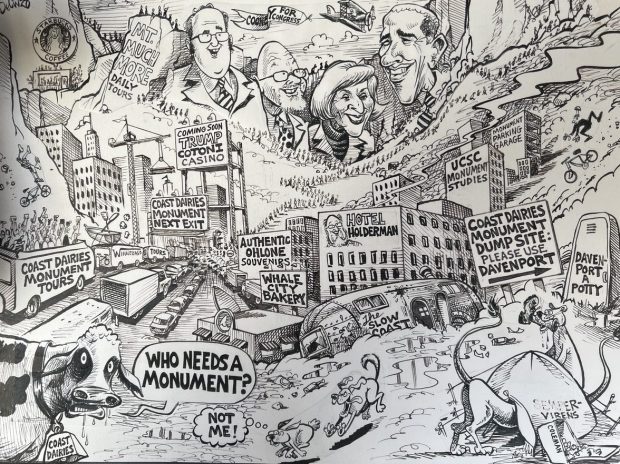
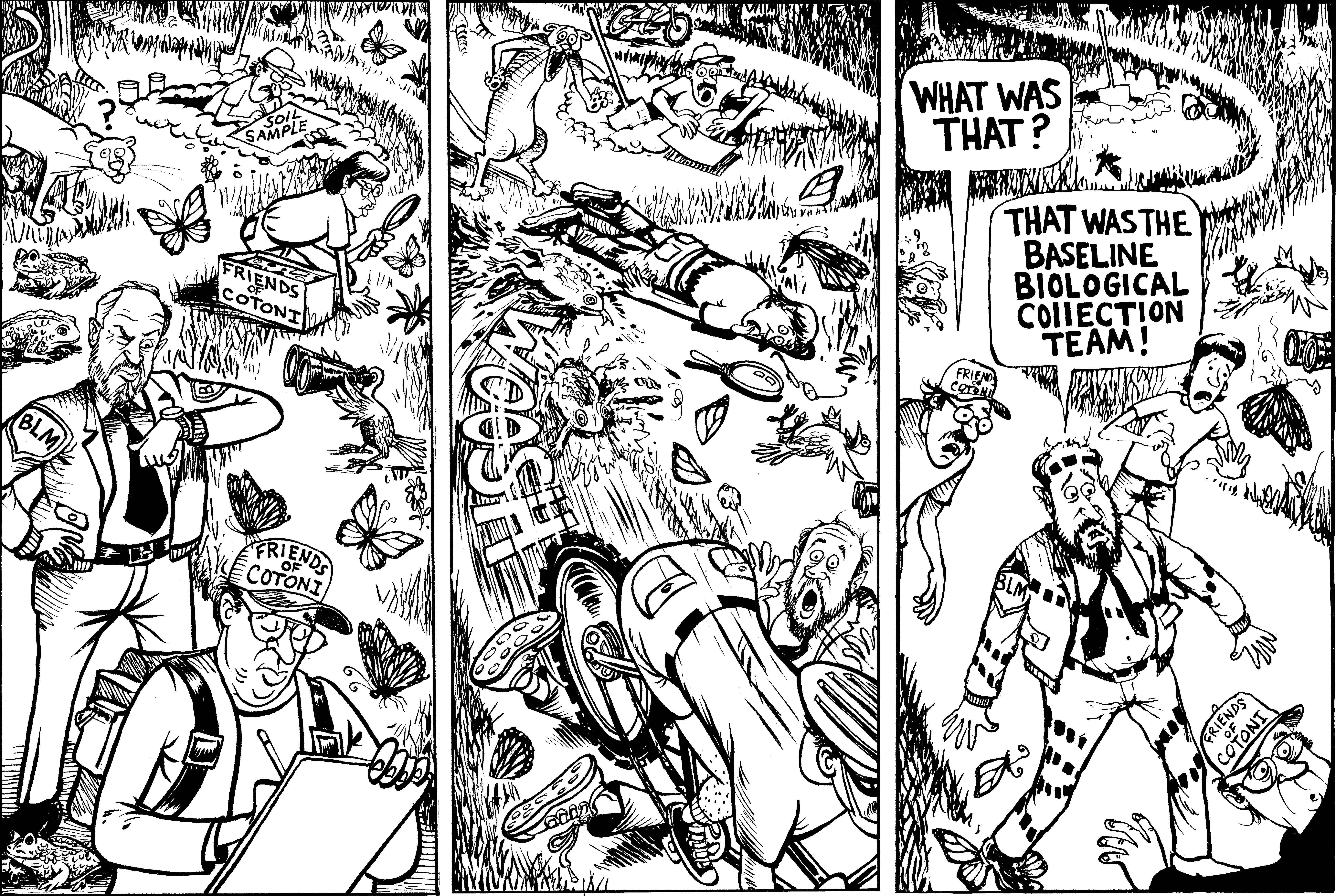
Illustration compliments of Steven DeCinzo

On the Other Hand: ‘Good Enough!’

Here’s some of the things I’ve heard about biological baselines to inform land management in Santa Cruz County. Mostly, land managers say that they have enough information to make good decisions. This is important for them to say because they are required to use the best available science. If they say that they don’t have sufficient science, they are admitting fault and might be held liable, so they can’t say anything but that they have enough science already.

When pressed, they say something akin to “Just look! Habitat!” You dare not suggest species are a better measure of management success because they have a world of arguments against that approach. Their argument goes…if you have a grassland, you have done all you can to protect grassland species…a redwood forest! Violà! Redwood forest species all taken care of! If the species aren’t there, they say something like “well, that’s beyond our control” or “they’ll show up some day.” In short…some vague habitat description and a map of the presence of said habitat is ‘good enough.’ The fact is that species are much more sensitive to management of those habitats than manager’s broad brush would suggest. The problem is…any more refined monitoring might be either expensive and/or could hold managers accountable.

Accountability

What if you had rare wildlife species on the land you managed, what would you do? Might you consult with the agency that is responsible for recovering those species? The California Department of Fish and Wildlife has good wildlife biologists, and they have survey protocols that are useful in documenting a species’ presence/abundance. Same with the US Fish and Wildlife Service and the National Marine Fisheries Service.

Would you want to make the public aware of the conservation work you are performing, and how successful it has been? Would you be worried about negative publicity?

Do you think lands managers feel accountable about more than their conservation mandates? Do you think that they feel accountable to certain recreational user groups? How would you know which type of accountability they feel more concerned about?

Your Role

I hope that you have joined a pro-wildlife advocacy group. Working together, we can make sure that the wildlife our children’s children experience is more diverse, and more plentiful, than what we experience now. The alternative is bleak: children fascinated by the last species, raising cockroaches in cages and hoping that their offspring might live in the impoverished ecology resulting from a world of shifting baselines. I don’t think that is good enough.

– this article published in Bruce Bratton’s fabulous weekly blog BrattonOnline.com Sign up at that site to get the alert that it is out and then enjoy some quality time reflecting on news that matters…as well as excellent film/media reviews.

BLM Overlooking Precious Wildlife Conservation

Santa Cruz County’s newest conservation land managers are supposed to conserve the wildlife prioritized by the State of California, but are failing to acknowledge their obligations, which means some of our area’s iconic wildlife species will disappear faster due to lack of Federal cooperation at Cotoni Coast Dairies.

Background

The Bureau of Land Management oversees management of Cotoni Coast Dairies, but it is following much-outdated wildlife conservation guidance. Land management agencies like the BLM are guided by policies and procedures that guarantee that they do a good job of managing wildlife. For instance, BLM has its 6840 Manual “Sensitive Species Management,” which notes:

“The objectives of the BLM special status species policy are:

A. To conserve and/or recover ESA-listed species and the ecosystems on which they depend so that ESA protections are no longer needed for these species.

B. To initiate proactive conservation measures that reduce or eliminate threats to Bureau sensitive species to minimize the likelihood of and need for listing of these species under the ESA.”

In other words, BLM recognizes that the agency should not be contributing to wildlife species becoming rarer and so receiving more regulatory protection, which would impact private landowners by restricting the uses of their property.

Mouritsen’s Duty, Neglected

To avoid that, BLM California’s State Director Karen Mouritsen is required to, “at least once every 5 years,” review and update the BLM-maintained list of sensitive species in coordination with the California Department of Fish and Wildlife (CDFW). It is unusual for such policy guidance to lay out a specific timeline, which adds clarity to expectations. The last time California BLM’s sensitive wildlife list was updated was in 2010, before Director Mouritsen’s tenure: 13 years ago! A lot has changed in those intervening years, and scientists have recognized that many more wildlife species are in need of protection by BLM.

Repercussions at Cotoni Coast Dairies

What happens when BLM’s sensitive wildlife species list isn’t updated? Let’s look at the Cotoni Coast Dairies example. BLM has already completed a Resource Management Plan that is meant to guide wildlife conservation on the property. Under the guidance and environmental review provided by the RMP, the agency is building miles of trails and parking lots, implementing a cattle grazing program, and allocating funding to other prioritized activities. BLM will soon embark on a Science Plan for the property. The RMP didn’t and the Science Plan will not consider conservation of wildlife species that do not appear on the BLM’s sensitive species list. And so, the following 10 rare wildlife species will receive no attention, pushing them further towards extinction: ferruginous hawk, grasshopper sparrow, Northern harrier, olive-sided flycatcher, American badger, San Francisco dusky-footed woodrat, Western pond turtle, California red-legged frog, American peregrine falcon, and short-eared owl.

A Deeper Dive – Grasshopper Sparrow

Let’s consider one of those species with a little more detail, the grasshopper sparrow. If this species is nesting in an area, under California law they are protected and our state wildlife agency, CDFW, has been charged with their conservation. According to BLM guidance, Director Mouritsen is 13 years overdue in updating the agency’s sensitive wildlife list for California to include this species. As their name suggests, grasshopper sparrows are grassland-dependent organisms. There is an abundance of nesting grasshopper sparrows at Cotoni Coast Dairies.

Without active management such as with carefully planned livestock grazing or fire, all of the grasslands at Cotoni Coast Dairies will disappear, being invaded first by brush and then by trees. This is already happening with extensive French broom and coyote brush invasion.

Already, BLM has planned its livestock grazing and recreational trail uses without consideration of preferred habitat for nesting grasshopper sparrows. Livestock grazing could be taking place to the detriment of the species, already. The construction of recreational trails and parking lots may have already destroyed important nesting habitat. When recreational visitors start using those facilities, it may occur before BLM has a baseline study of the density and location of nesting grasshopper sparrows. So, the agency will be unable to understand how land uses are impacting the species and so will be unable in an informed way to adjust its recreational or livestock management to better conserve the species.

It may well be that BLM’s management of Cotoni Coast Dairies will further reduce nesting populations of grasshopper sparrow, pushing the species closer to the point where they will need to be listed as threatened or endangered. When that occurs, private landowners whose land supports nesting grasshopper sparrows will see increased regulation and oversight by the State and/or Federal government. Their property values will be reduced and their ability to develop homes, farms, or other uses will be diminished.

An Alternative

On the other hand, if the California BLM State Director Mouritsen were to meet her regulatory obligation and update the BLM State Sensitive Wildlife Species List in the near future, a bunch of good would result. First, Cotoni Coast Dairies’ Science Plan could provide guidance for conserving those species. Second, because BLM funding is tied to the number of sensitive species on each property, Cotoni Coast Dairies would be better situated for increased conservation funding. If the Science Plan succeeded in moving forward the conservation of sensitive species like the grasshopper sparrow, BLM’s leadership on these issues could help many other land managers do the right thing for species, contributing to the potentiality of ‘delisting’ species, reducing the potential for increased regulatory burden and loss of private property values.

Do Your Part

I’ve said it before in this column, but I’ll say it again. NOW is the time to write Director Mouritsen to urge her to do her job. She hasn’t replied to any of the numerous letters she’s already received, so evidently she needs more pressure to take this seriously. Here’s some language to send to her via her email kmourits@blm.gov Please let me know (or cc me) if you send something.

Dear Director Mouritsen,

I care about wildlife and plant conservation on BLM’s Cotoni Coast Dairies property in Santa Cruz County. I write to urge you to help by adding sensitive species found on that property to the State BLM’s sensitive species lists. Only if those species are on the State’s lists will local administrators consider impacts of their management on those species in their analyses and planning for the property. So, I ask that you please:

  • Publish an updated State BLM sensitive wildlife list in collaboration with the California Department of Fish and Wildlife, as mandated by the BLM’s 6840 Special Status Species Manual.
    • This list was last updated in 2010, but you are required to update it at least every 5 years.
  • Publish an updated State BLM sensitive plant list to include the State ranked 1B plant species documented at Cotoni Coast Dairies, as mandated by the 6840 Manual.

I would appreciate a reply to this email with details about how you intend to address these issues.

Signed, xx (you!)

-this post originally appeared as part of Bruce Bratton’s amazing weekly blog at BrattonOnline.com You an sign up and receive it automatic-like if you visit this site. You will be rewarded by getting smart commentary and news that is very relevant to life in general and life on the Monterey Bay specifically.