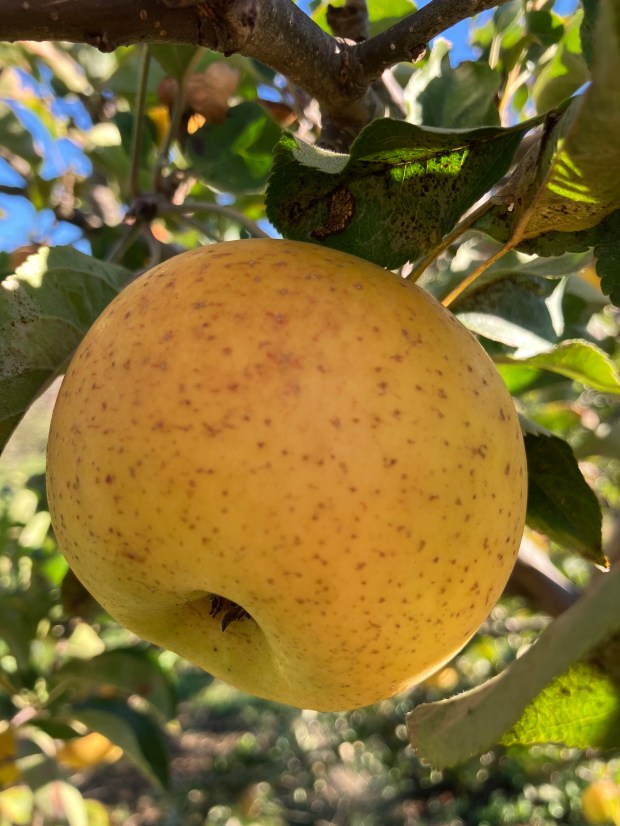
For all that’s unpredictable and chaotic in the world, when our Mediterranean climate encounters the onset of rains on schedule we smile and settle and love the transition. Winter birds celebrate. Seeds turn to shoots. Late season apples swell and sweeten. The short days and moisture suggest the end of fire season and we turn our attention to hydrology.

Precipitation
Mark Lipson notes that the last couple of days brought the Farm .78 inch of rain, at least at the elevation and exposure of the weather station he monitors. Ecologists suggest that it takes 1” of rain to spur germination and we got a couple of other smaller storms not that long ago…and voila there we have it…the blush of green has commenced! Seeds burst, birthing into seedlings! Dust becomes soil! Drought-shrunken leaves moisten and stretch. Cows drinking from puddles wander further from troughs, grazing freshly wetted grass. Underground fungal hyphae flush and earthy scents are caried on the humid breeze. Storms pass, clouds part, and sunshine sparkles off billions of droplets left behind.

Land History Demands Stewardship
In deep time there have been tens of thousands of years of warming and drying…plants that love cool, fire-free, moist environments have been retreating northward…ones that love hot, dry, flame-licked landscapes come from the South and East to take their place. Molino Creek Canyon was a grand fir forest 15,000 years ago, just before redwoods appeared. As that march of time progressed, humans walked in using partner flames to tend the wild. The African-like animal-scape winked out – mastadons, mammoths, horses, camelids, ground sloths, bison, and so much more: tasty meat! Gone! Colonists remove the People and their wisdom of place and the tender, intelligent, adaptive care the landscape had come to know. Murder! Genocide!!
Us ‘modern folk’ are, in effect, infants being buffeted by a Nature we do not understand (very few are seeking to understand) and which is imbalanced and untethered with the recent legacy of unprecedented changes, abuse, invasion, and extraction. Once-partner-fire awakens current generations to realize survival is impossible without new approaches. A new culture of stewardship emerges.
Molino Creek Farm Pursues that Challenge
Surrounding the super-manipulated farm fields and orchards: scrubland, coastal prairie, oak forest, creeks and redwoods. Photos from early farm days, 1988, reveal mainly hillsides of prairie surrounding the farm, with forest and trees on the ridge lines and canyons. Slivers of that globally endangered coastal prairie remained in 2008, each a refuge for poppies and lupines, owl’s clover, sanicle, lotus, farewell-to-spring and rare native dandelions. Each year since, we have been working however we can to restore the prairies, conserving species and creating greater wildfire resilience.
Matthew Todd now, and others before him have been the large-scale muscle with expensive mastication machines for mowing brush. Farm partners perform daring and acrobatic maneuvers with our own grass-mowing tractors. Hand-to-stem wrestling periodically controls tree and shrub invaders. Wildfire swept through twice.

Sunday, we sigh relief that an extensive stewardship community returns to Molino Creek Farm. The Central Coast Prescribed Burn Association has organized its second event to burn many acres that are returning to coastal prairie. Lots of volunteers, all geared up, in various levels of training and all pumped with enthusiasm for Good Fire, are the reason we can do this. The hillsides will turn from gray-brown to black. Native and non-native invasive shrubs and trees will be rocked back on their heels yet again. Nutrients will flush into the soil to feed the expanding patches of native coastal prairie wildflowers and grasses, which we regularly gather in Spring and spread into restoration areas in Fall. The below-ground biotic community is shifting to that which supports coastal prairie.
Harvest Winding Down
Some fields are still rocking, some petering off. Some orchard trees are already sleeping, some still swelling with fruit. Two Dog Farm’s tomatoes and peppers are still burgeoning, Molino Creek Farm’s all gone. The gleaning of leftover winter squash and onions is still happening. The last big harvests of apples are rolling in – Fuji and Braeburn, mainly. There are 100 pounds of our first Granny Smith apples in years, but those won’t be ready until January. The new favorite apple “Gold Rush” has a few more tasty fruits for snacks. But LIMES, oh my LIMES! (and lemons!) Citrus season is starting, once again. Each day, the Persian limes turn yellower, getting close to being ripe. Lemons are dropping to the ground, rotting – guess no one wants lemons! (or lemonade). Late season avocados are dribbling in, more to come.

Farm Labor
Besides harvesting and helping with prescribed burning, Farm Partner work attention moves to preparing for winter. The final mowing of orchard blocks has recently been completed, so Saturday we switch the mower out for the harrow on the BCS. Bags upon bags of bell beans are stacked in the barn for sowing and folks have ‘signed up’ for shifts behind the beast of a machine to scratch those big shiny seeds into the soil. The ride-on tractors will similarly be at work soon, disking cover crop seeds into the ground, contouring their final tire tracks so soil doesn’t wash down hill and leave large swaths infertile. Stacks of wax boxes are in the greenhouse, curing winter squash for upcoming sale. We’ll soon move tools inside, stack orchard tree props for the winter, and drain irrigation lines in case of freeze.

Seasonality of Birds
The dominant and the sub-dominant bird songs indicate upcoming winter. We’ve got the cacophonous caterwauling of blackbirds calling from large flocks gathered on the baring branches of walnut trees. And, hidden under and around bushes with calls a bit more subtle, hundreds of sly sparrows. These flocks are big enough to make feather noise when they flush just as much as the quail. Woooosh….Wirrrr…FFFFFFFFF….


Great newsletter Grey!
Thank you,
Andy Carman
Environteers.orghttp://Environteers.org
LikeLike
Thank you, Andy! Glad you liked it. I appreciate the note. – Grey
LikeLike