animals

Humans, Dogs, and Social Nature

A friend recently pointed out how one aspect of human behavior can provide hints about other parts of our personalities. For instance, with people who enjoy spicy foods: might it be interesting to see how they integrate endorphin rushes into other parts of their lives. Might they act in ways that invites pain, in other ways? 

Similarly seeking analogs, I wonder if how people treat their pet dogs says something about their world view, in general?
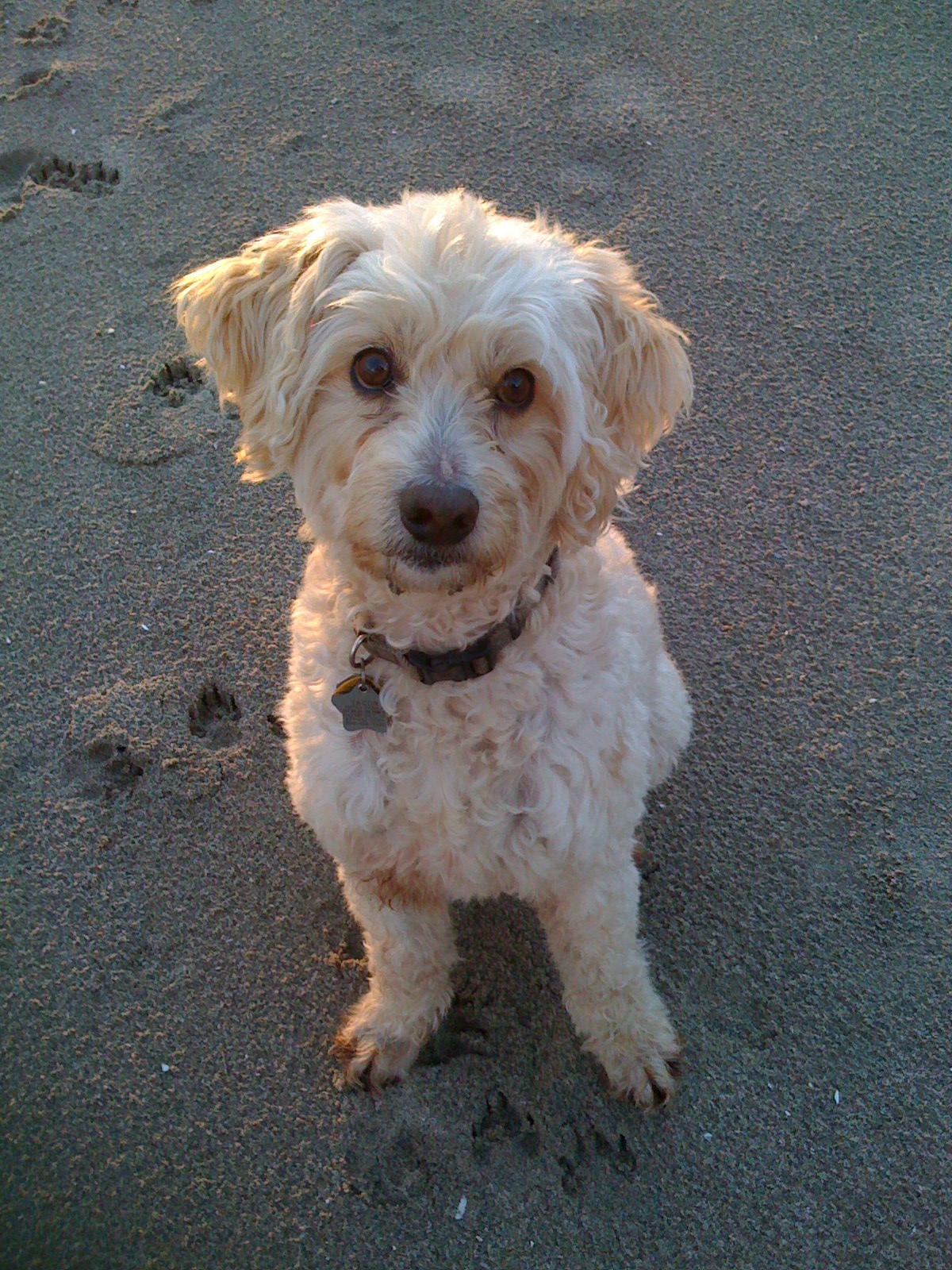
What kind of person could treat this dog poorly? He was a good pet.

Fido, Get Over HERE!

Get their attention first by yelling their name, then give them stern ‘BAD DOG’ words. Yell it again if necessary, and again. If they finally show up, then smack them.

This habit of barking orders at dogs over and over, every time that the person feels the need to control their dog makes me wonder how that person sees the world. Physical brutality on top of that, just when a dog has (finally) acted as directed, makes me very sad for those relationships. Does command and control and physical brutality make sense in the larger world to such people?

A Whistle Does It

On the other hand, I’ve seen people who have the most cooperative and loving relationships with their dogs. For instance, a certain whistle brings the dog running, tail wagging. Invariably when asked about how these people got to that point with their pet dogs, they say it took a lot of time and effort. Honing communication combined with positive reinforcement are key. Are people who arrive at such non-violent relationship building with pet dogs also apt to have a similarly well-evolved means of relating to their fellow humans?
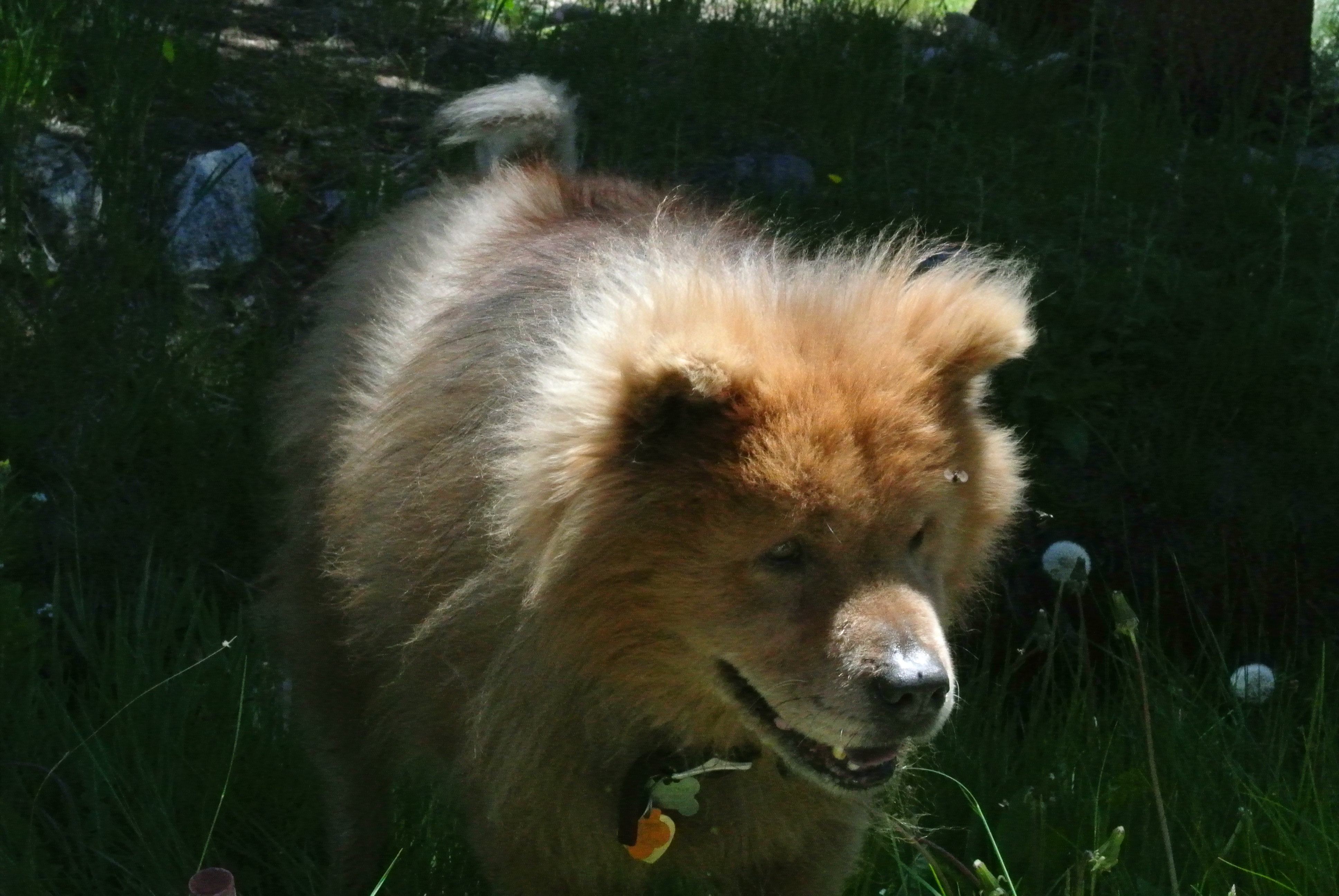
Different dog breeds have different temperaments, to be sure, but communication is key.

What To Do?

I routinely run into this issue and it really bothers me. The Capitola DMV has it. The Davenport US Post Office has it. I bet you’ve seen it, too: signs that say something to the effect of ‘No Animals Allowed Inside.’ What are humans if not animals? Minerals?

This problem of mine also crops up regularly in social commentary and literature when some ‘smart’ person decides to add their (sometimes ‘witty’) comments about what separates humans from non-human animals. Such arguments are generally flawed and baseless.

Social Animals

How might the world be better if we learned from the science of how social animals have worked out social problems? What if our conversations turned that direction regularly? And, what if humans thought a lot about that when adopting social animals into our lives? 

Learning from Nature

There is a wealth of wisdom that Nature can share. Humans have benefited greatly from many of those lessons, and additional learning can take us much further. 

When we see ourselves in the dogs we are trying to acculturate into our lives, we learn both how to better mesh with the dog and better hold ourselves in human society.

We might also apply this kind of learning with other social animals in our lives: parrots/parakeets/etc, deer, crows, cows, goats, quail, etc. 
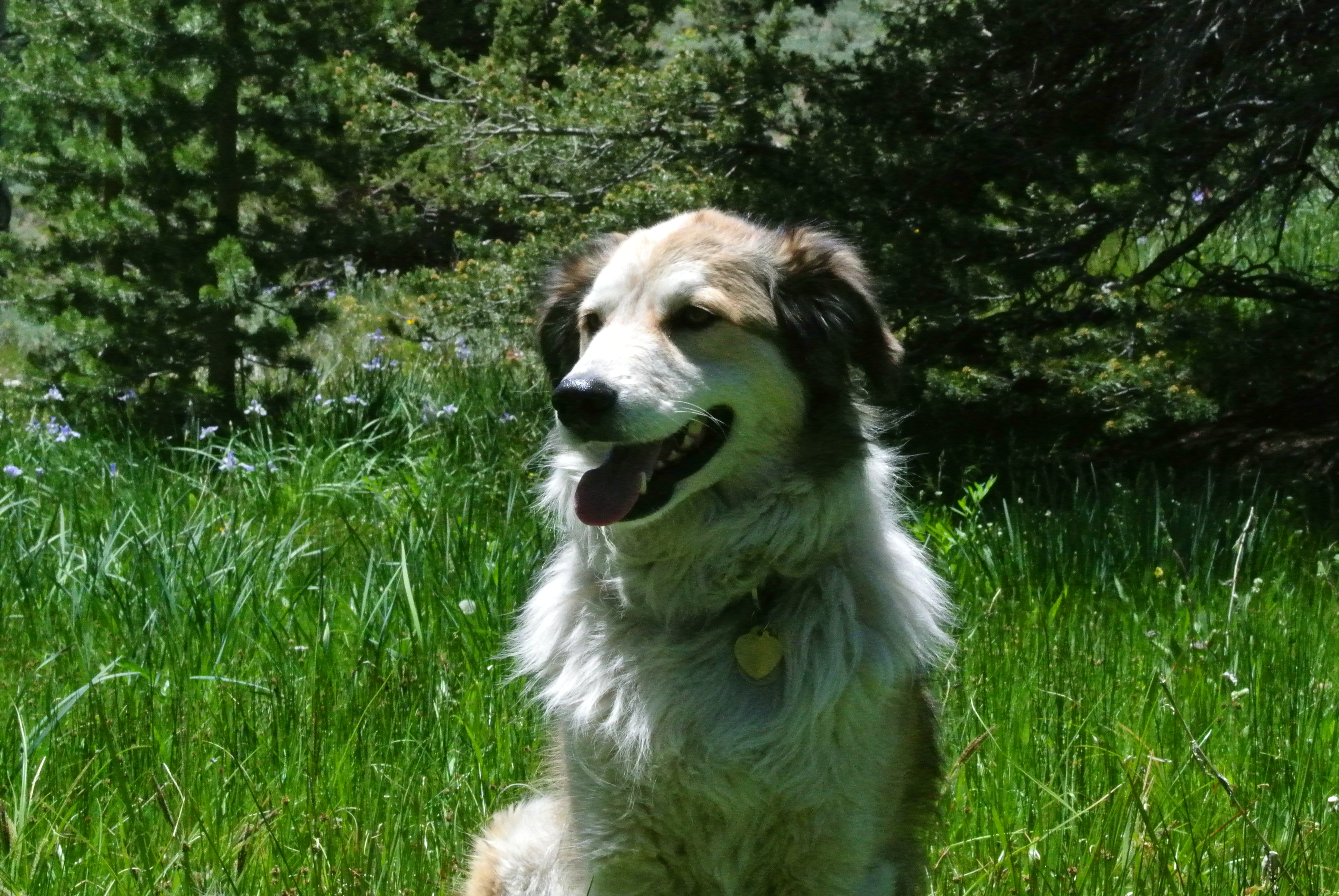
The finest people have the finest pets. Do dogs really look like their owners?

Cautions and Next Steps

We taught to be cautious about ‘anthropomorphizing’ non-human animal traits. The caution goes that doing so might make you blind to important differences. How about some balance here, and the adoption of a new word? How about cautioning about ‘anthroscism’ – advancing the idea that humans are somehow wildly different than all the rest of the animals? Same kind of reasoning holds: doing so might make you blind to important similarities. 

Your homework: start a conversation this week about some human reaction you see that reminds you of how non-human animals act and why that might be.

-this post originally appeared as part of the online weekly blog BrattonOnline.com – a compendium of important information from around the Monterey Bay and beyond. There are movie and TV review, historic photographs from Santa Cruz, links to great media, and columns from amazingly well informed authors. Check it out! Subscribe!! donate!!!! The Blog Needs Your Support.
Whence SCruz Enviros?

I continue to ask myself this question: where has the environmental movement gone in Santa Cruz? I have several hypotheses. This is not to deny the tireless work of various individuals who have helped on many fronts, but I sense a loss of momentum, of any organized movement of the type of conservationists that have been so crucial in the past in providing the Santa Cruz area with much of which it is now proud: Lighthouse Field, the City’s Greenbelt, Wilder Ranch, and Gray Whale Ranch come to mind, is there any kind of movement now that could achieve such success?

Questionable Rationality

One of the age-old issues with working with coalitions is the rationality factor, and the environmental conservation movement has had its share of associates who defy the laws of rational discourse. There is strength in numbers, but as those numbers grow the community will include people who are vocal about some pretty wild, unsubstantiated things. Those people sometimes have a fairly strident way of expressing themselves. Whether it is a tactic, or perhaps they believe it, the opposition to conservationists will say ‘look at that lunatic fringe group!’ They lump perfectly rational people in with the less-than-rational minority. The less-than-rational folks will also say ‘Look! I have credibility! I am associated with these rational people!’ That fringe element has driven more than a few of my colleagues away from advocating for conservation.

Oppositional Idiocy

Problems with rationality aren’t just internal to conservationists: there are many irrational people to face in the opposition. There is increased reliance on very poor methods of discourse: tu quoque, black-and-white and straw man arguments are very common, and conservationists aren’t always prepared to rebut such vacuous methods of dialogue. We often don’t even recognize them as such. As I wrote recently, add those types of arguments to a long list of unsubstantiated ‘facts’ and you have the gish gallop making it impossible to address any particular thing.

Conflict Avoidance

Poor discourse and barely rational coalition members may have contributed to the next reason I hypothesize for the demise of the local conservation movement: conflict avoidance. One thing that seems on the upswing with the younger generations is conflict avoidance, but this issue has long been a problem to conservationists. Politicians and other would-be mediators of environmental conflict have often tried problem solving by attempting solutions through compromise. That is, they see two sides – conservation versus development – and say “we can find a middle ground.” The problem with that is that often the conservation issues associated with the proposed development aren’t addressed by this middle ground: biology doesn’t work that neatly. This concept has oozed its way into the general populace where many want to solve things by reaching an imaginary happy spot – ‘half way’ between what is portrayed as two divergent points of view. Even that half-way point is difficult for most to imagine negotiating.

Those who are proponents of nature destruction are well seasoned negotiators, new public conservation advocates not so much. New recruits into conservation often balk at the need to negotiate with often well-paid consultants who are so good at their game. These new conservationists also often feel shy about hiring professionals, especially lawyers to help with the conflict: for some reason many feel like seeking that method of solution is ‘too much.’ And, then again, lawyers are expensive.

Legal Defense, Legal Bills

If somehow a group of conservationists can come to the conclusion that a lawyer would help, raising money for legal defense funds for conservation around Santa Cruz is not easy. Lawyers are expensive and their work takes time. Can you remember the last time a local conservation group asked for funding for legal defense? It has been a long time.

And yet, legal defense has often been essential to resolving many important environmental conflicts, everywhere. Especially here in California, the laws protecting the environment are strong and broad ranging. Those proposing to destroy nature fear enforcement of those laws. With my conservation advocacy, I often cite legal language and so have been called ‘litigious’ by a handful of nefarious truth-stretchers: I have never retained legal counsel to sue anyone. It is very important for conservationists to understand laws and regulations and to cite those as well as case law whenever making their point. And yet, fewer and fewer locals are forming coalitions to retain legal assistance to protect nature.

Legal Reprisals

Some conservationists have avoided the milieu of conflict because they fear that the often well-funded anti-nature crowd might sick their lawyers on them. There are Strategic Lawsuits Against Public Participation (SLAPP) where the pro-development types intimidate conservation advocates by suing them…often for libel but for lots of other things. Also, some conservation advocates have been named in lawsuits by nature destroyers. For instance, our ‘friends’ at the Trust for Public Land sued local conservationists to recover expenses the group said they used to defend themselves in court actions aimed at better protecting the Cotoni Coast Dairies property.

No Peace, No Justice

The last issue hobbling local conservationists is their inability to adequately form coalitions with environmental justice movements, which have perhaps gained more wide support and recognition. This piece well summarizes the issue, and rests with the ‘no brainer’ intersection of the two movements: climate change. In this regard, Santa Cruz might be doing okay, but we are leaving behind other conservation issues of the highest importance: conservation land management, endangered species conservation, clean water and wetlands protections, and natural areas visitor management. Each of those issues has meaning for environmental justice proponents, but conservationists have done little to make that bridge.

What Can You Do?

I urge more people to become actively involved with local conservation groups. And, when you do, help those groups to become better through your mentorship and skill. We need to train one another to be good at conservation before the next big issue threatens species, habitats, or the relationship between humans and nature in our region.

-this post originally published as part of Bruce Bratton’s long-running informative blog at BrattonOnline.com, a place you should turn for all that you need to know around the Monterey Bay (and beyond).

Gish Gallop

Has it always been so common, or is it just more apparent because it has become so prevalent in mainstream politics? The Gish Gallop is a method of debate where one streams together so many unsubstantiated points that it becomes difficult to track, and rebut, them all. Perhaps the easy swipe of social media or the increased speed of emerging news have helped to wire us to be more receptive to the full-steam-ahead BS argument technique. Here, I try my hand at making a speech using the Gish Gallop technique with a collection of commonly held nature fallacies:

A Gish’ing Example

Nature is dangerous! For instance, all sorts of snakes and spiders are venomous, and people die from their bites all the time. You have to be especially careful of mountain lions, which are increasingly attacking people across California. If environmentalists have their way, there will also be wolves roaming everywhere across the Western USA- once established, they will become habituated to eating livestock and they’ll be coming after people, too. Just outside your door trying to get into your trash are very dangerous rabid opossums. You don’t even have to go outside for nature to get you. There are spiders hiding in your house, and an average of six a year drop into sleeping people’s mouths. I heard just the other day about another venomous snake crawling out of someone’s toilet. Some crazies want to blame so many things like this on global warming, which is just hype from crackpots trying to control our lives. They claim burning fossil fuels is going to kill us all, but that’s not true! Change happens, for God’s sake, there have always been natural disasters and there always will be, just get used to it, you snowflakes!

Does that kind of diatribe sound familiar? It should, and its not just coming from the political right[1] – watch out for it coming from just about any political direction, in just about any social situation. You can tell a real Gish Gallop addict by picking out just one of their tidbits and trying to follow up with a more involved conversation. If they are a galloping gish o’phile, they’ll be unable to stick to that topic and will hit you with another round of Gish Gallop before you can yell ‘stop!’ I don’t know if its just my circles of company, but I venture to guess that 1 out of 10 of my conversations encounter something amounting to Gish Gallop.

Toilet Snakes

Let’s take a look at just one of the parts of the above parade d’ BS: toilet snakes. Mention the phrase ‘toilet snake’ during a party, and it may well take root in conversation with anecdotes just as lunatic, or even substantiating evidence of this profoundly unlikely scenario. Was it Voltaire that said absurdities beget atrocities? One step leads to the next. Who are we to deny the frequency of toilet snakes, anyway? I’m sure it has happened once or twice! It may even be getting more frequent with global warming, invasive species, collapsing and outdated infrastructure, and the loss of skilled labor attracted to public works jobs. See? How familiar is that? That’s how it goes…

Turning This Around: The Antidote

How good are you at stemming the tide of verbal diarrhea? How do we collectively alter this rotten social habit? It is time to infuse more meaningful dialogue into the world. I am particularly advocating for better dialogues about nature and hoping that we carry with us enough fascinating stories that we can knit deeper and deeper oral traditions into a regionally-oriented social fabric. As we do that, I encourage us to use science as our guide, so that we have a method of building out truth, of going deeper and deeper into nature, and to add those discoveries into our stories.

The Fate of Snakes

My essay ‘Snakes on the Monterey Bay’ is one of the most popular reads on my website. I suspect that there are widespread positive sentiments about native snake species. But there are also widespread popular beliefs, well supported in social circles, that snakes are all very dangerous. Snake phobia, even nature phobia, is far too common. I well recall a time when I was working with a farm labor crew to machete poison hemlock, an invasive species that had taken over much of Younger Lagoon Reserve that I was stewarding for the University. One of the crew spotted a garter snake: quickly three were chasing it and proudly hacked it to pieces in moments before I could stop them. They seemed astounded that I was angry at their actions. I’m sure that they still think that I was acting insanely to be defending SNAKES! Why? Many people believe snakes are dangerous, and this is one of the many subjects that we can work on to improve human-nature relations.

Might you find out a bit about one of our native snakes and start a conversation about it with your friends? Such conversations could change the world for the better.

-this column slightly modified (with The Guardian link) from that which I posted via BrattonOnline.com, Bruce Bratton (and team)’s wonderful source for news. Subscribe now and save (it is free, but donations are welcome)


[1] Although some admit that this is their favorite method of oratory.

Animals of our Hearts

We each come to loving non-human wildlife for our own reasons, and we want to assure that all species are thriving for future generations. Among the many people with whom I interact, their answer to an intriguing question is uncannily and increasingly resolute.

“How many species do you need to maintain the quality of life you desire?”

“All of them” is the answer more and more people are giving me.

How does that work?

Only through the goodness of our hearts will we conserve wildlife. What doors open our hearts enough that we are willing to act to restore wildlife?

Cute, Fuzzy Creatures

As children, we are fascinated and kind towards non-human animals. Often, what we glean from children is that they find wildlife to be ‘cute.’ Whether they are stuffed plush toys or animated cartoons, we indulge our youngest children’s inherent love of wildlife. They have pets, or visit friends’ pets, and develop relationships with non-human species. Children learn to cuddle and stroke pet fur, and the pets purr and roll, and show pleasure, giving love back. Humans and non-humans give and receive love, reducing stress and building trust. We expand the community from our core human families to include non-humans.

As adults, we carry with us that love of cuteness, the desire for connection with non-humans, the tactile pleasure of the furry cuddling interaction. And we develop still other ways to connect with non-human animals.

Non-Human Friends: Our Pets

The friendships we create with non-human species are complex, and we each have our own approach. Many share a basic understanding that has developed with our non-human pet species. There are troves of common wisdom about dog and cat behavior towards, and expectations of, humans, which I will not repeat. I’m sure you have plenty of material to reference, as this is a deeply cultural realm and the subject of many conversations, especially when extended family gathers and ‘pet talk’ is a relatively safe space for discussion.

As those pet conversations get more personal, it becomes clear that many humans rely on non-humans (and vice versa) for friendship. Our pets go with us on adventures and reveal to us much that we may not have otherwise experienced. Our pets recognize our ups and downs and participate actively with all of our emotional territory.

Wild Friends

It’s not only pets: some people recognize friendship with wild creatures. The stand-out crowd are those who feed or provide water for wild birds. This bunch is so numerous as to have a sizeable economy surrounding these connections. People buy and maintain hummingbird feeders, bird baths, bird feeders, suet cages…some even invest in specialized foods such as worms or fruit jellies for their favorite bird species. There is an emerging movement in gardening for wild birds.

Still others connect with the wild furry animals that they frequently encounter in parks or in their yards…squirrels, deer, and foxes are the ones I hear about the most. People put out squirrel food, some even getting to know a squirrel well enough to feed it out of their hands. Some folks get to know a certain local doe and her fawns, watching her through the year as she raises them from spots to adolescents. The doe may very well know about the safety net provided by their proximity to a friendly human’s habitation. She and her fawns will feel comfortable near the humans they recognize. Being very sound-centric, they respond attentively and curiously when we talk to them. The very habitual fox, trotting the same paths at the same times each day, will know just how to avoid human encounters but we catch glances of them when we break our rhythms. They poop on our shoes outside the door as a way of saying hello. For a while, foxes were so regularly seen in Bonny Doon that when their populations dipped a whole community was saddened.

Wildlife Viewers

Many of us are falling in love with more and more species of wildlife. We call ourselves naturalists or wildlife viewers. We study the critters we encounter in order to learn new stories. Domesticated dogs provide a gateway into the natural world…through our regular ‘dog walks’ and through our observation of their sniffing around and explorations. Wild animals do those things, too, in many more ways. They draw us out of our cozy homes to visit them and see what they are up to. Observing their behavior, we learn new things about the natural world. As our curiosity grows, we find ourselves in places we wouldn’t otherwise venture, at times of day we might not otherwise get out. Wildlife viewers must get up very early sometimes. To see a river otter, they go to the riverside; to see whales, they go out in boats; to see pond turtles, they spend time gazing at logs in ponds; to see snowy plovers, they squint into binoculars on a wind-blown beach; to hear owls, they stay up late and scritch gravel to goad them to calling.

Hunters

A significant and important segment of the human population connects with wildlife as part of the hunt. Sometimes, hunting provides important food for subsistence; historically, this was even more so. Other times, hunters enjoy the sport as well as the food. Hunters and people who fish get to know the species they pursue and the habitats those species rely on. And, their love of wildlife for hunting has actualized incredible conservation successes. Ducks Unlimited and Trout Unlimited are two of the many organizations supported by hunters which have helped steward wildlife habitat and recover species.

All of Us

Statistics suggest that the vast majority of humans, even here in the apparently divided USA, strongly support wildlife conservation. When we realize the importance of wildlife to our standard of living, we are compelled to learn more about what wildlife need to survive. When we connect with wildlife, we realize we are part of something greater than ourselves, bigger than our simplified human-oriented world. When we see wildlife make a connection with us, we feel part of the natural world, and our basic selves become more grounded and real. When we work to conserve wildlife, we are at our best…serving the world that serves us. Three ways we can be effective at wildlife conservation:

  • Vote for candidates that detail their approaches to conservation. Every political candidate has the means to make a bigger difference than any one of us acting alone.
  • Join a wildlife conservation organization, donate more than membership fees. The Center for Biological Diversity is my choice. The Audubon Society is a good one, too. I’m vetting others…suggest one that you think I should mention!
  • Tell your friends heart-felt wildlife stories. Help create a culture that connects with wildlife!

-this post originally part of a Bruce Bratton weekly blog at BrattonOnline.com, read it and be enlightened!

-to be further enlightened on this subject, see the recording of my recent presentation about local wildlife by clicking here.