politics

Cotoni Coast Dairies, 2064: A Dystopia 

I invite you to immerse yourself for a few moments into my nightmare of the future of Santa Cruz’ North Coast. How will Cotoni Coast Dairies fare in the future, for instance in 2064? During the past year, many things have aligned to push my nightmare closer to reality. Note, this essay is the opposite view of my prior utopian sketch published here.

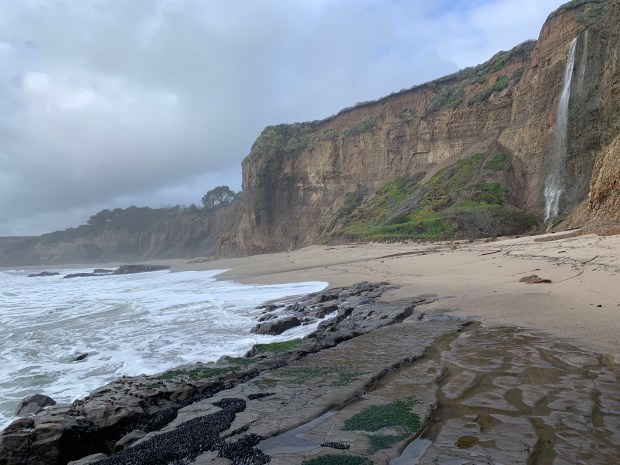
Wilder Ranch 2064
State Parks held off the Populists for a while, but California relented

The Recipe

Extreme factions of the far right have expertly wrangled a successful populist movement, gaining control of all three branches of the US government. Swiftly, we see dismantling of conservation including parklands staff and environmental protections for wildlife, clean water, and clean air. We recall Brazil’s Bolsonaro regime and their treatment of the precious natural areas of the Amazon and its inhabitants: park boundaries ignored and rapacious resource development encouraged, including illegal settlements. This story has been repeated in many places around the world as populist national political interests are imposed. These trends repeat: abandoning local interests with the establishment of the parks at the outset and continuing alienation of local people post parks development. As ecologists and conservationist Dan Janzen has wisely noted, it is important that the most local people see their own interests reflected in conservation lands, so that they will play an active role in protecting those lands.

What’s Coming

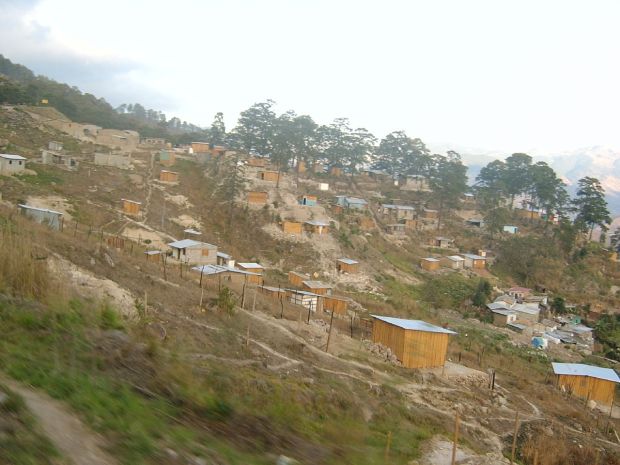
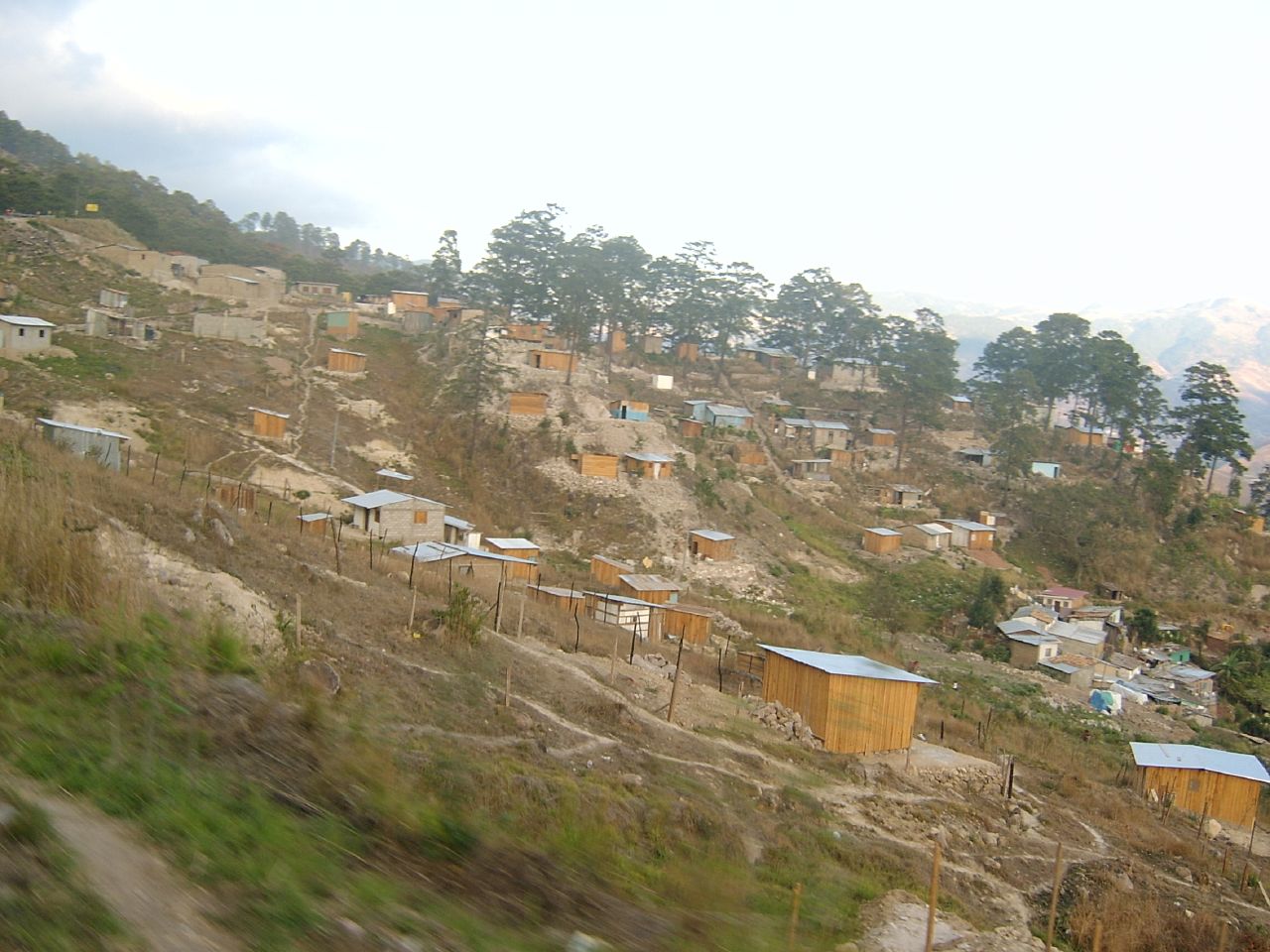
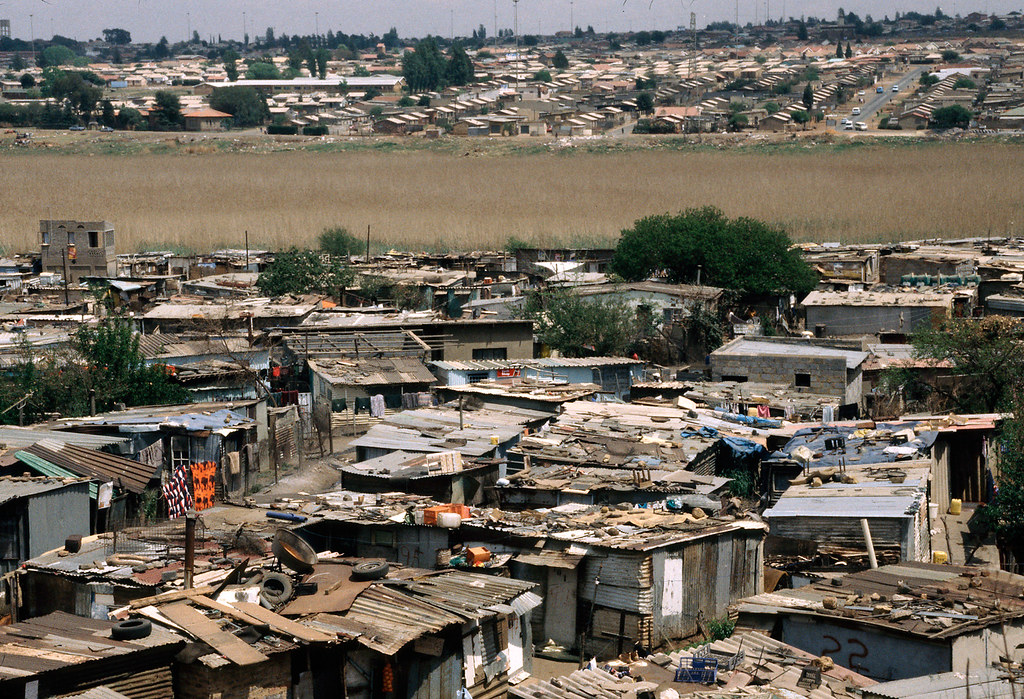
It is 2064, the 50th anniversary of Cotoni Coast Dairies becoming public land, and none of the hundreds of shanty inhabitants living on the property are reminded of the significance of this milestone. Parking areas and trails, once developed for the recreational elite, are covered with trash and lean-to cardboard and tin shelters, which started during the Hard Times of the 2030’s. Presidential Administrations have opened most federal lands, especially Bureau of Land Management lands, to settlement, promising to alleviate housing shortages. Millions had been displaced by extreme heat and epic storms, driven by climate change in the quickly uninhabitable interior USA. The squalor of the hastily erected federal land climate refugee camps contrasts only slightly to those on the nearby State Parks lands, which were opened by the Governor a little later and had ad hoc administrators that attempted (at first) to organize them. 

Missing Wildlife

By 2050, wildlife on the North Coast existed only as a fond memory of most settlers, who longed for the first decades of feasting on their tasty flesh. Even the smallest birds have succumbed to cooking fires, and the land is silent, without bird song. Tide pools have been scraped clean of limpets and mussels and people comb post-storm beaches for kelp and other marine vegetables, otherwise out of reach from harvest.

Cotoni Coast Dairies 2064: “House Everyone!!” The President cried, and BLM was the first to comply

Wildfire

Fires have become tamer after the raging infernos of the 20’s and 30’s consumed the last of the mature trees and, eventually, even their memories…the blackened snags and stumps. Storms come almost every summer, and it is rare that lightning fails to ignite a hundred fires between Santa Cruz and Half Moon Bay. These run quickly across the mountains in the regularly howling winds, consuming whatever diminutive weeds survive. Hundreds of people succumb to wind-driven infernos, but more replace them. As bad as it seems, there is no better place remaining: the seasons are still relatively mild compared to anywhere else in the country.

The Water 

The much-feared Water Guard and their families are the richest among the abject poor, for the cost of this scarce commodity cannot be avoided. They maintain and guard impoundments in the few streams that still provide water: Waddell, Scott, San Vicente, and Laguna Creeks. The other streams disappeared by 2050, now only scorched, mud-filled, lifeless canyons. The dams in the remaining creeks are maintained at high cost and much labor. Deluges are followed by flash floods carrying boulders, silt and debris that easily fill the tiny reservoirs. The stronger people earn water credit in trade for their labor rebuilding the dams, cleaning out storage pools, and replacing distribution pipes leading to water sales locations. Others earn their water by guarding this system day and night, sometimes with their lives. Water is life!

The Realization of This Nightmare

This dystopia is closer than most realize. It is a choice. It is everyone’s choice to avoid, but no one chooses the leadership necessary to do so. Instead, we keep electing representatives to take the place of the parents we wish we had had. Mother and daddy know best, we just want to be told to hush and to trust and that everything will be okay, but it never works out that way.

The pathway to this nightmare has been paved in so many ways. The back-room-deal-type Environmental Saviors responsible for the federal presence, for the Bureau of Land Management (of all agencies!) takeover of Cotoni Coast Dairies not that long ago fought local conservationists in court and won, then counter-sued the conservationists for their expenses. Those types are still working behind the scenes to make this deal seem palatable and good by succoring wealthy outdoor recreation types and funding their trail-building enablers. They have long abandoned partnerships with local community interests and even the more wide-ranging and very popular wildlife conservation movement. Alienation of those interests leaves the door wide open for the populists to overrun these lands which they portray as empty, pretty landscapes ready for settlement. It has always been so.

What You Can Do

The frustration we feel at the trends we have seen too late emerging can be put to good use. We can give money to the Center for Biological Diversity, a last bastion effectively using the legal system to protect wildlife, even around the Monterey Bay. We can vote for different representatives who primarily recognize the importance of the environment and the need to engage, enlighten, and empower those people who care about nature, which is everyone. We can speak up against the local lack of justice. We have more influence in local politics than national: this is the place we create the political movements that make a difference. This is the place we nurture the leaders of tomorrow’s State and Federal governments.

-this essay originally appeared alongside those of my Most Excellent Colleagues at BrattonOnline, a weekly e-newsletter covering the arts, history, ecology, politics, foreign affairs, and more.

Autocracy Continues to Build

I have long labored in this column to outline the frustrating situation all biologists feel in this world as our interests are destroyed by increasingly autocratic tendencies of the government. And no, I have never been partisan about this situation. Both parties are to blame in creating the country we find ourselves in right now, facing a perilous future where generations will not only not be able to enjoy the standards of living we do today but will suffer to keep a standard of living with any comfort at all. 

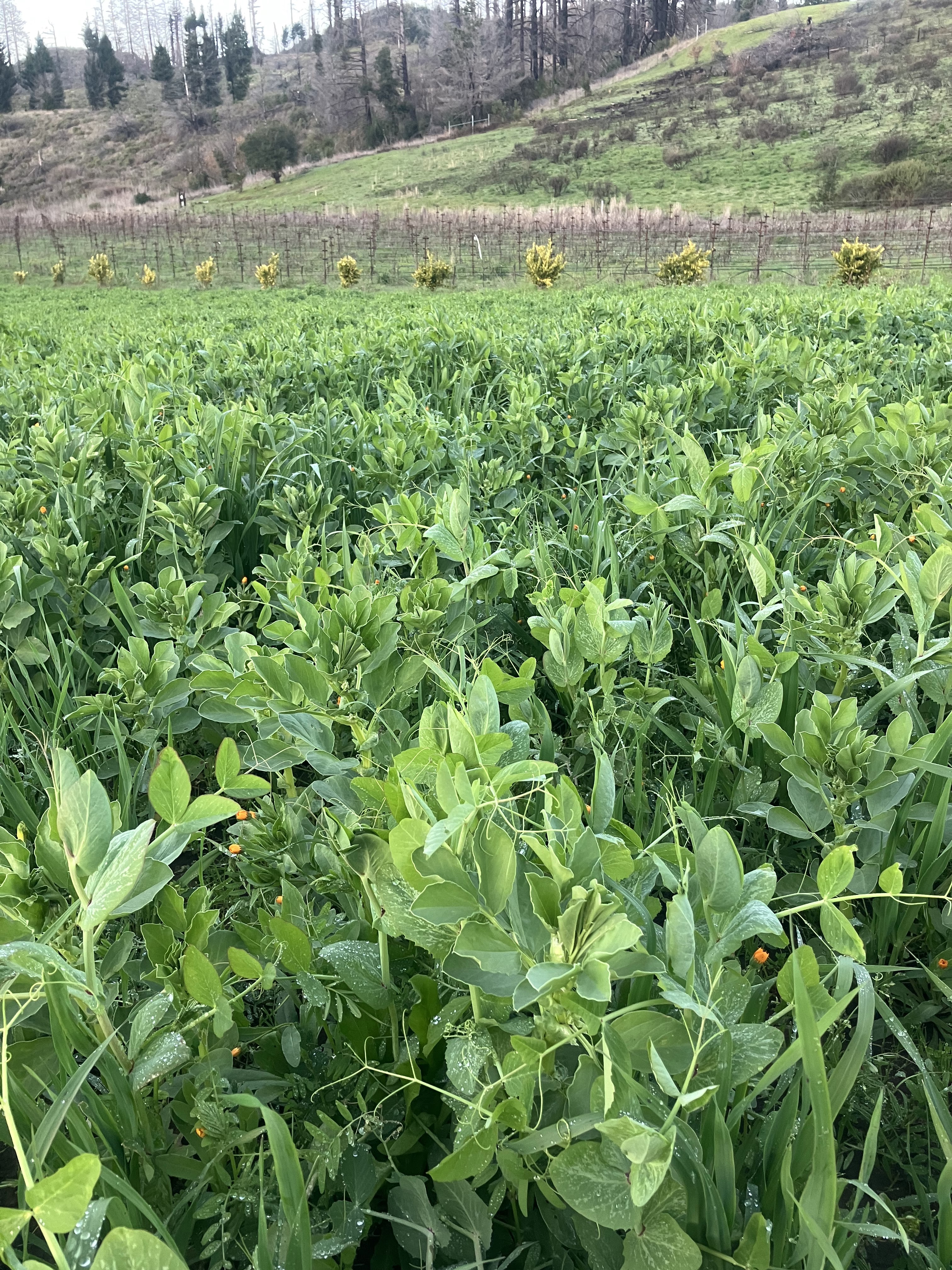
Will we see lush cover crops and small farms in the future USA?

I am not surprised, however, to find many people freaking out about a government bent on destroying social programs. After all, many voters have long been fed a thin gruel diet of small social program ‘wins,’ so that they will overlook that their future is being stolen by the 1% who are paying for both political parties, allowing them to extract wealth and power by destroying Life on Earth.

Tinkering Around the Edges

I was recently listening to the Bay Area’s own brilliant journalist Kara Swisher interviewing Rahm Emanuel, a person who seems like a reliable voice of mainstream Democratic politics. Ms. Swisher pressed Mr. Emanuel on what the Dems should do at this juncture, and his responses were along the lines of ‘messaging the voters’…’adopting a new platform or two’…etc. There was zero reflection about the way politics is using people to enrich the 1% while destroying the environment and no reflection on how to engage and involve citizens in their own governance.

All Politics Is Local

National government tactics are repeated here in California and all around the Monterey Bay. If you think that the current use of Executive Orders is unusual, check out the far-reaching litany of executive orders from California’s governor, who is proud to reduce environmental protections as part of these moves, none of which is primarily directed at environmental conservation. 

In Santa Cruz, I see politicians and government staff baselessly blaming and attacking people who are trying to protect the environment, including other columnists who write for Bratton Online. These local politicians and staff have long supported the roughshod environmental analysis of many projects before them as long as the project serves some social good and/or is economically attractive. For instance, many pointed out the inadequacy of the Regional Transportation Commission’s analysis on the estimated numbers of tourists attracted by the new North Coast Rail Trail, but politicians didn’t care enough to direct better work. I have witnessed this same political hunger for other projects that badly impact the environment at Arana Gulch (recreational development), Pogonip (recreation and agricultural developments), Glenwood (housing and school development), Santa’s Village (housing development), Seascape (housing development), Wilder Ranch (recreational development), UCSC (housing development), Terrace Point (educational buildings), Nisene Marks (recreational development), Cotoni Coast Dairies (tourism development), and Neary Lagoon (transportation development).

Up Close and Personal

I have had occasion to be privy to the autocratic decision making that creates the results where the environment, and conservationists, end up losing and here’s how it goes. First, someone who wants to develop and negatively impact nature works with an expert at navigating the review process so that they get just what they want. Second, once they have a plan for meeting regulatory demands (aka “jumping through the hoops”), they meet with one or two of the politicians whose vote they’ll need. Then, they make a deal of some sort to guarantee the votes. Then, the person proposing negatively impacting the environment meets with the bureaucrats who also get calls from the politician, and then they, too, make a deal. Finally, after everyone’s approval to the plans and approach, the project proponent goes through the motions of a public process, taking and ignoring input and moving forward with what they wanted to do in the first place. When pressed about why not do a more authentic public process, anyone that was part of those deals will tell you, “why bother?”…”it just makes more trouble”…”we know best and came up with the best solution.”

Do those trends sound familiar at a national level right now? We have far more potential to affect political change closer to home than further away.

Why Aren’t the Dems Fighting?

Some people who are concerned about the Administration’s actions nowadays ask ‘why aren’t the Democrats fighting?’ The answer is that everyone in power is in awe of what they, too, might get away with one day. Plus, some of what is being highlighted as shocking power grabbing is the same stuff that all politicians have been doing for some time now, but perhaps less bombastically.

During the first round of this administration, there was a surprising assertion that we were suddenly going to war with Iran, a country with about the same number of military as the USA. NPR picked one of their preferred retired generals to interview about the wisdom of this decision and that general said that he could not condone the action because ‘Americans have not been prepared for this war.’ That is, the military demands that politicians prepare citizens for war, presumably so that the funding will keep flowing to support the war effort once it is started.

I believe it has become equally normalized that it is the politicians’ job, in working for their biggest donors, to keep citizens constantly prepared for environmental degradation. And, it is my experience that the staff people of governmental agencies look at legally mandated disclosure and environmental review interactions with citizens as a burden and a waste with no chance of improving the agency’s work and better protecting the environment.

Is It Any Surprise?

Given what I’ve just outlined, I am not surprised by what I’m witnessing at a national level. As a nation, we have prepared ourselves well for this situation to work out excellently for the 1%. I am not happy that many more people get to experience the exasperation that conservationists have been feeling for decades, but so it goes. Perhaps this is the best chance we have had to start working together.

How can we organize an alternative in local politics where the people are prepared for a Monterey Bay that is protected by its citizens for the next 1,000 years? The answer lies with more permanence of residency, sustainable and vibrant economies, and removal of any environmental impacts of growth, but those things are at odds with our current societal structure. And yet, these things (and more) are sorely needed. If we can make it work here, the goodness will spread. It starts with developing leadership and engaging many more people. You’re right there with us, right now. 

-this essay originally posted at BrattonOnline, a weekly roundup of all thing local and sometimes global affecting the Monterey Bay. Read it and keep in touch!

Which Senate Candidate will be Best for the Earth?

Will you vote on March 5th 2024 for Nature? How? It is a good time to do some research, ask some questions of candidates, and prepare to be an informed citizen when you cast your vote.

Situation Description – The Upcoming Election

There is a wide field of candidates running to be our Federal Senate representative. Senators are a Big Deal. Once elected, they can stay a long time in the office and there are many fewer of them than House representatives, so they are more powerful as individuals. As I often say in this column: I hope you cast your vote with careful consideration of the environmental platform of the candidates.

Three candidates stand out as particularly interesting in the lineup: Barbara Lee, Katie Porter, and Adam Schiff. Things are a little odd this election because we are voting twice for this same Senate seat.  The first vote is the PRIMARY for the full, 6-year term for senator. The top two vote getters will be the ones we get to choose between in November. The second vote we cast for senator is for someone to serve just until January 3, 2025, when Diane Feinstein’s term would have ended. They say that these types of things cause voter confusion and errors. Seems simple enough…

A Brief History

The seat up for election is the seat that Diane Feinstein had held for 31 years until her death while in office, 1992-2023. After Senator Feinstein died, Governor Newsom appointed Laphonza Butler to the position; Senator Butler is not running this election for that seat. This is the first time that the seat has been opened for an election since 1982, when Pete Wilson won it from Mill Valley’s Samuel Hayakawa. Pete, you’ll recall, went on to become the State’s Governor, setting up a situation that made it possible for Diane Feinstein to win the special election to finish his term. Once ensconced, it is difficult to unseat a Senator. (Some argue for term limits, but I can’t agree, preferring folks who get good at their work to stay put and do that well-practiced job even better for those they represent.)

Vote for the Environment!

Ask yourself if you know one single thing about the environmental voting record of…Diane Feinstein….Adam Schiff….Barbara Lee….or Katie Porter. I highly recommend the VoteSmart website to examine environmental voting records, endorsement ratings (many years back), and records of top funders. In short, Diane Feinstein scores higher than any other candidate trying to take her place on environmental issues, and she had a long record to chart.

When you examine ratings by the various environmental groups, think about who they are. I look to two organizations in particular: the Center for Biological Diversity Fund and the Defenders of Wildlife Action Fund. These two organizations have not been corrupted by the Outdoor Industry Association and their ilk, as have so many other so-called environmental organizations. Too many ‘environmental’ groups are professing that all of nature’s problems are best solved by e-bikes and unbridled public access to every square inch of conservation land; the passionate people in these movements frequently overlook the central importance of species conservation to life on Earth.

A Common Voter Conundrum

We often look to polls to determine who is the ‘most electable’ before casting our vote. We want to be on the winning side. The problem is that even those who are being polled are influenced by the media portrayal of who is most electable, but where does the media get that information? Inch by inch, voters gravitate towards who they feel others would vote for, not who they prefer. The result is that people get elected who weren’t the heartfelt choice of the majority of voters. How sad!

Environmental Records, Compared

Of the three candidates I’m discussing, Adam Schiff’s environmental voting record is the worst, Barbara Lee’s the best, and Katie Porter in between. Adam Schiff’s environmental voting record is different from the other two candidates with one recent vote in particular: he voted ‘no’ on legislation (Save Oak Flat from Foreign Mining Act) that would have blocked a Trump-era midnight deal that transferred sacred Native American land from the US Forest Service to a foreign-owned mining corporation. Why Representative Schiff thought it was a good idea to vote in favor of one of Trump’s corporate, anti-nature blunders is dumbfounding. Barbara Lee and Katie Porter both knew better.

However, all three candidates refused to co-sponsor the Keep it in the Ground Act of 2021. That legislation would prohibit further oil exploration of the outer continental shelf and would stop our friends at BLM from issuing, renewing, reinstating, or extending any onshore fossil fuel leases that are not now productive. So, you can see that all three candidates are somehow firmly in the court of the Oilogarchy, as are so many politicians….all of whom are driving species to extinction by heating the planet.

The Endorsements That Matter

The Center for Biological Diversity and its associated Action Fund align fairly well with my values, and their website has easy-to-navigate comparisons of the candidates, so that you can see why the Center endorses Barbara Lee and not the other two.

Other endorsements are interesting. For instance, it is very interesting, given the contrasts that I outlined above, that the Sierra Club has failed to endorse one of the candidates for this Senate seat. Another group I follow is the League of Conservation Voters; again, given the contrasting votes outlined above, it is interesting to see that the three candidates are given pretty much identical scorecards.

Ask! Look!

What they say is as important as what they don’t say. Check out Adam Schiff’s website and you’ll see in BIG BOLD LETTERS the heading “PROTECTING WILDERNESS LANDS AND PRESERVING ENDANGERED WILDLIFE” – and then a big fat nothing about endangered species in the words below. You must dig a lot to find something, anywhere with anything he has done to protect endangered wildlife. Good luck finding any legislation that he originated that addresses the many shortfalls of species protection. Barbara Lee’s website contains this statement in favor of keeping the Endangered Species Act (ESA) as it is, which harkens back to the first answer I ever got from a candidate on this subject. When I asked their campaigns about their endangered species platforms, Obama’s staff wrote back to me that he wanted to keep the ESA as it was whereas Hillary Clinton’s staff wrote me and said merely that she opposed drilling for oil in the Alaska National Wildlife Refuge. Barbara Lee’s website mentions the problematic theme that she “is committed to protecting endangered animals and preserving and increasing public access to our national parks and public lands.” Increasing access??!! That’s a coded nod to the Outdoor Industry Association and their lackies who are trying to turn our parks into playgrounds to the detriment of wildlife.

You can view a moving video of Katie Porter speaking eloquently about the need to pass the Recovering America’s Wildlife Act of 2023; Ms. Porter is on the House Natural Resources Committee, which suggests her passion for, and knowledge about, environmental matters.

I hope you’ll spend a little bit of time following this course of questioning and even drop a line to the Senatorial candidates asking them about their positions on the environment, and species conservation specifically. Those things make a difference. And, hopefully, you’ll be casting your vote for the environment in this coming election!

-this column originally appeared as part of Bruce Bratton’s BrattonOnline.com blog – check it out!