Monterey Bay

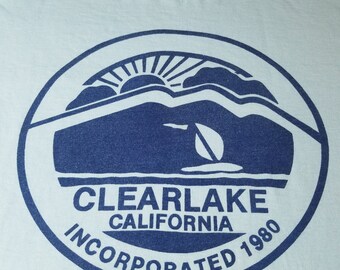
a sign for Clear Lake, California

Naming and Renaming

Ecologists often note that place names reflect things that have been destroyed. Elk Grove, California has neither elk nor groves. The Elkhorn Slough likewise is missing its elk. Grizzly Island in the Delta doesn’t have grizzly bears anymore. Oakland is no longer a place full of oaks, and you’d be hard pressed to find that many oaks in Thousand Oaks. Clear Lake is turbid. Forestville is distinctly unforested. The fine pools for which Los Banos Creek received its name have been replaced by a huge reservoir, which is sometimes unswimmable due to dangerous algal blooms. Examples go on and on. All of these names are recent, all colonist names. 
Indigenous Names

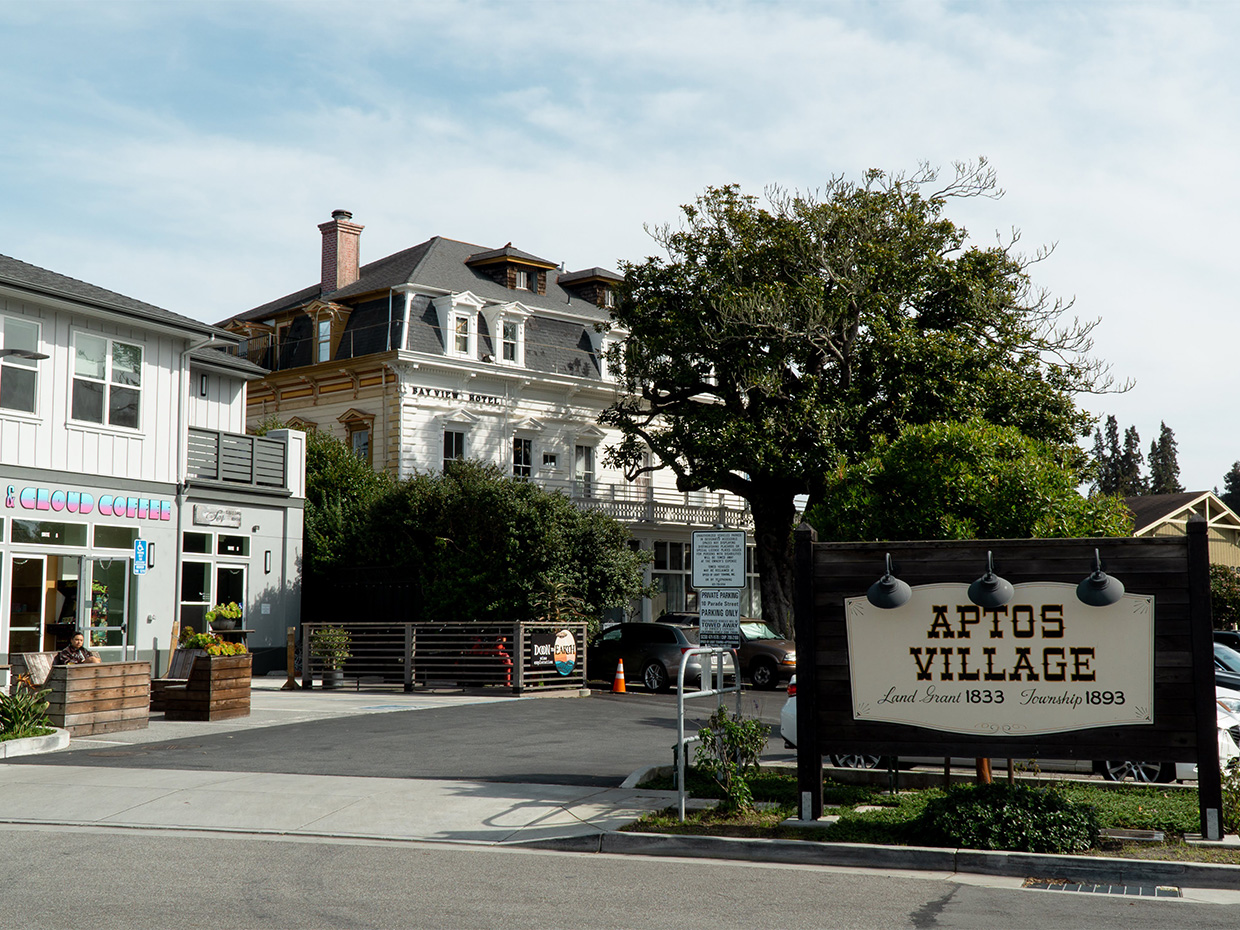
Somewhere along the way humans saw fit to keep the indigenous names of places. Soquel is the original people’s name meaning ‘rushing waters’ – Soquel Creek still rushes and that seems a fine name, still. The indigenous name “Aptos” could have meant people, which works still, or ‘meeting of two streams’ which is also true. It might be a good start to begin revitalizing the indigenous names of places.
Changing Back

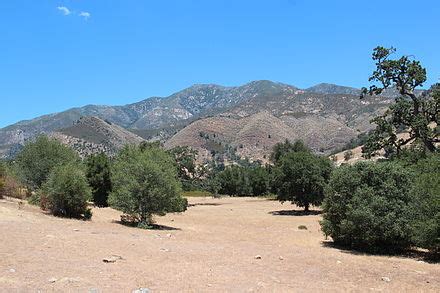
Junipero Serra Peak is being changed back to Pimkolam a shortened version of “pimkoia’m, ti’at aula” the indigenous name for an unknown plant that grows there. Prior to 1950, it was known as Santa Lucia Peak.  Near San Juan Bautista (a terrible name), an important site to local native peoples is now protected and is known by its original name, Juristac.
Other Changes

Without explanation, the current administration is making some seemingly sinister changes to place names. For instance, the highest peak in the USA is appropriately named by indigenous people ‘Denali’ but the President wants to change it to Mount McKinley. That same someone with power recently also decided to change the name of the Gulf of Mexico to the Gulf of America; I say let’s at least add an ‘s’ to that – the Gulf of the Americas would at least help us to realize that South and Central Americans are Americans, too. If it is becoming more acceptable to change place names, I say let’s go for it- there are lots of other changes and perhaps the next administration can force through a bunch in its first 100 days.

More Changes Needed

I have a particular problem with some place names imposed on locations and wish them changed. Far too many places have the name ‘devil’ in them. Devil’s Gate in Eastern California is one such instance. There are many more. Then there are legions of places named after people who barely deserved to have anywhere named for them. Scotts Valley, for instance: why do we care so much for Hiram Daniel Scott to have his name affixed to the town, still? And, does the town really deserve to be called a ‘valley’ anymore? Davenport, (for ‘Captain John Davenport’ the whaler) for that matter, deserves another name. 

And then there are the religious references, so out of date. Santa Cruz makes little sense, anymore, if it ever did. And all those saints, San Lorenzo, San Luis, San Jose, San Francisco – so much potential for renaming there!

Let’s Ask The People

As we thankfully have momentum for recognizing the lands around us as unceded territory of various other peoples, wouldn’t it feel good to begin replacing the colonist imposed names of places with the names given those places by the people who lived there for thousands of years? If there are places without such names, why wouldn’t those representing the tribes play a central role in giving those places appropriate names? Let’s learn together the renaming that needs to take place – it will help bring us together and help more people respect and look anew at the land around us.

-this post originally published in the wonderful BrattonOnline blog featuring smart commentary and analysis by the Monterey Bay Area’s most insightful journalists.
Contrasting Two Biodiversity Hot Spots

When I can muster it, I travel to the American tropics to experience an even greater degree of species diversity than California. I’d like to share some of what I noticed in the contrasts between the people and places I experienced this December in Ecuador, perhaps the most species rich place on Planet Earth.

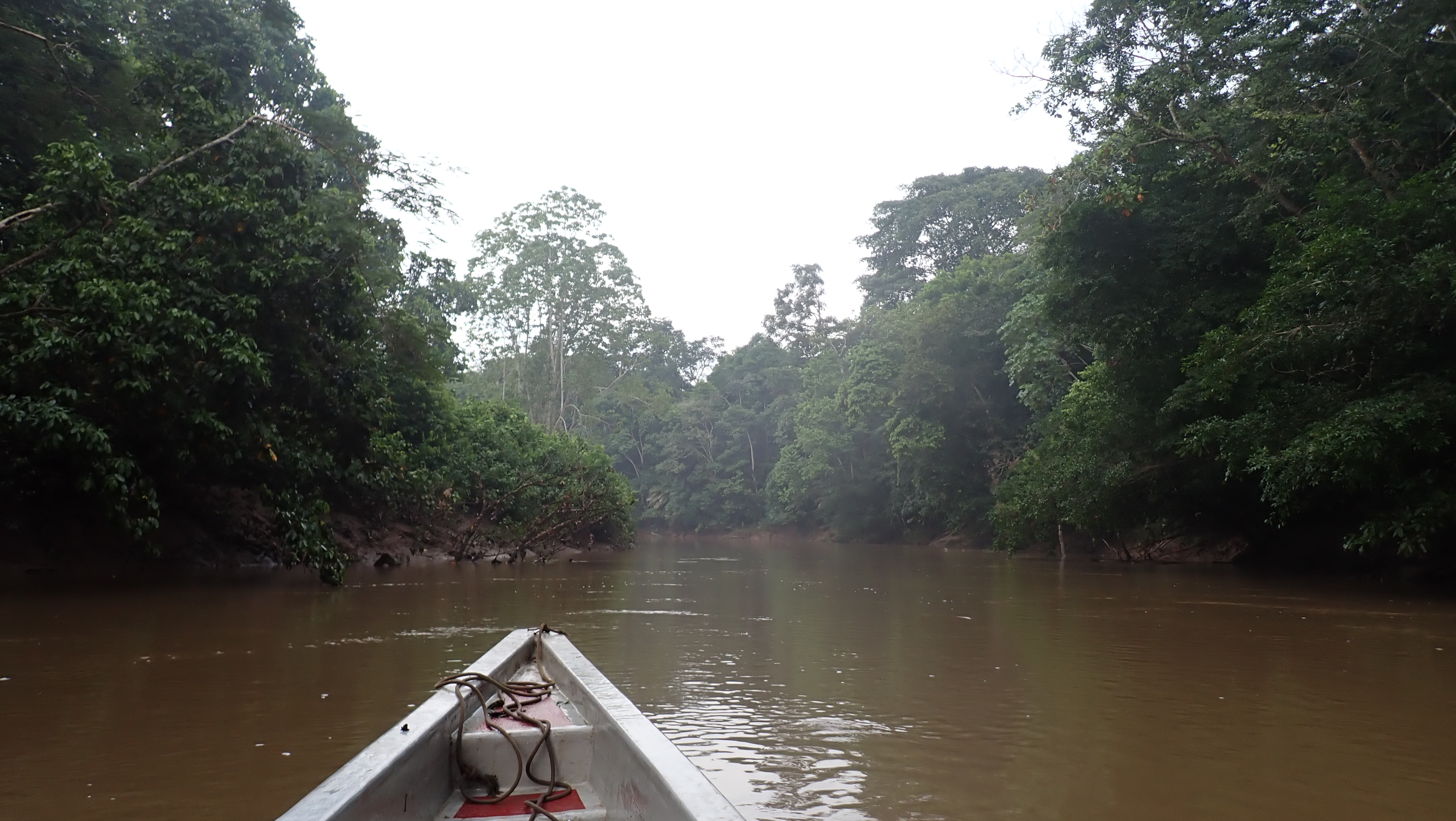
A indigenous guided Amazonian river tour in Ecuador, one of hundreds available

Oh, the Riches

One of the most interesting conversations I had while traveling in Ecuador was during the taxi ride back to the airport as I was departing for California. I mentioned to the taxi driver some of the things I’d noticed in Ecuador that contrasted with California. For instance, the roadways were clean – no litter! Also, I hadn’t seen any homelessness during my travels, though I frequented areas where entire people had no obvious means of employment. Everyone I encountered during my 3-week stay had been more than polite – outgoingly kind more like it. And, those with whom I interacted seemed to appreciate and even understand a lot about the biological richness of their country. I told the taxi driver that these things were surprising to me as Ecuador was supposed to be such a poor country. He shook his head and corrected me – Ecuador is a rich country, quoting Friedrich Wilhelm Heinrich Alexander von Humboldt, “Ecuadorians are rare and unique beings: they sleep peacefully in the midst of crisp volcanoes, live poor in the midst of incomparable riches and rejoice with sad music.” He then asked me if the United States was also a rich country, and how well did the people of the USA sleep? I didn’t know quite how to answer. (It turns out that one-in-five US citizens take sleep medication regularly).

Tourism Economy

It is interesting that both Santa Cruz County and the country of Ecuador generate approximately the same amount of cash due to tourism: $1.1 billion annually. It is there that the similarities end. The Beach Boardwalk is the driving force for Santa Cruz County tourism. Experiences in nature are what drives tourists to Ecuador; they go to experience Darwin’s discoveries in the Galapagos Islands or to see the rich jungles, volcanos, mountains, and the plethora of wildlife. Everywhere you go in Ecuador there are lodges hosting people whose destination is Nature. Lodges are gateways to the Parks, and each lodge has a cadre of nature guides trained to help tourists see the richness around them. Nature guides study for years to become certified to lead tours in the parks. The guides I met could identify hundreds of birds by their songs, knew a bit about most of the plants we encountered, could identify tracks in the mud, and could talk about the distribution of species across the country and beyond. There are hundreds and hundreds of such guides in that country, which is the size of Colorado.

What a Contrast!

As I returned home, I wracked my brain to think of a single lodge in the Monterey Bay that caters to nature tourists and has any nature guides at all. The San Francisco Airport toilets were much nastier than the toilets in the Quito airport. Trash litters Highway 1. The homeless population was not sleeping peacefully, though others might have been, back in my hometown of Santa Cruz. I’m not sure how many of my culture were rejoicing, with sad music or otherwise: joyfulness is not a phenomenon I equate with this culture. Certainly, most of us living around the Monterey Bay aren’t living poor, but we, like Ecuador, dwell ‘in the midst of incomparable riches.’

Miles of beautiful coast and not an eco-lodge or terrestrial biodiversity guide to be found

When is a Tourist Just a Tourist?

What does it matter that tourists go to the Boardwalk versus taking a walk with a nature guide? They come, they spend, they go home…its all good for the economy, right?

Between guided hikes at an Ecuadorian lodge at 9,000’ I sat by a fireplace looking through the reading material on the coffee table. There, among giant, full-color books published by the Ecuadorian government about the nation’s biological richness, I saw a magazine published by the American Bird Conservancy. That group, and the Audubon Society are two fairly mainstream conservation groups working to save birds from extinction. Many of the tourists supporting Ecuador’s lodges are birders. There is a natural connection between tourism and conservation. The same cannot be argued about Beach Boardwalk visitors.

So, why isn’t there an economy of immersive nature tourism around the Monterey Bay?

The Thrill Isn’t There and We Just Don’t Care

Thrilling, isn’t it? Roller coasters…rides…the children won’t be bored. Once the children grow up, the adults head overseas to see birds and nature: why not sooner? What is it about Nature that makes experiencing it so family unfriendly?

Even a drive along Highway 1 is so unenthralling as to invite so much littering.

Do we care so little about impressing the tourists, do we have such little pride, that we don’t bother keeping our airport toilets and roadsides clean? Aren’t we richer than that? Or, are we really quite poor?

What would Humboldt say of those currently living around the Monterey Bay? “They are just normal beings: they sleep fitfully in the midst of isolation and crime, living poorly in the midst of incomparable riches and rejoice in violent movies.”

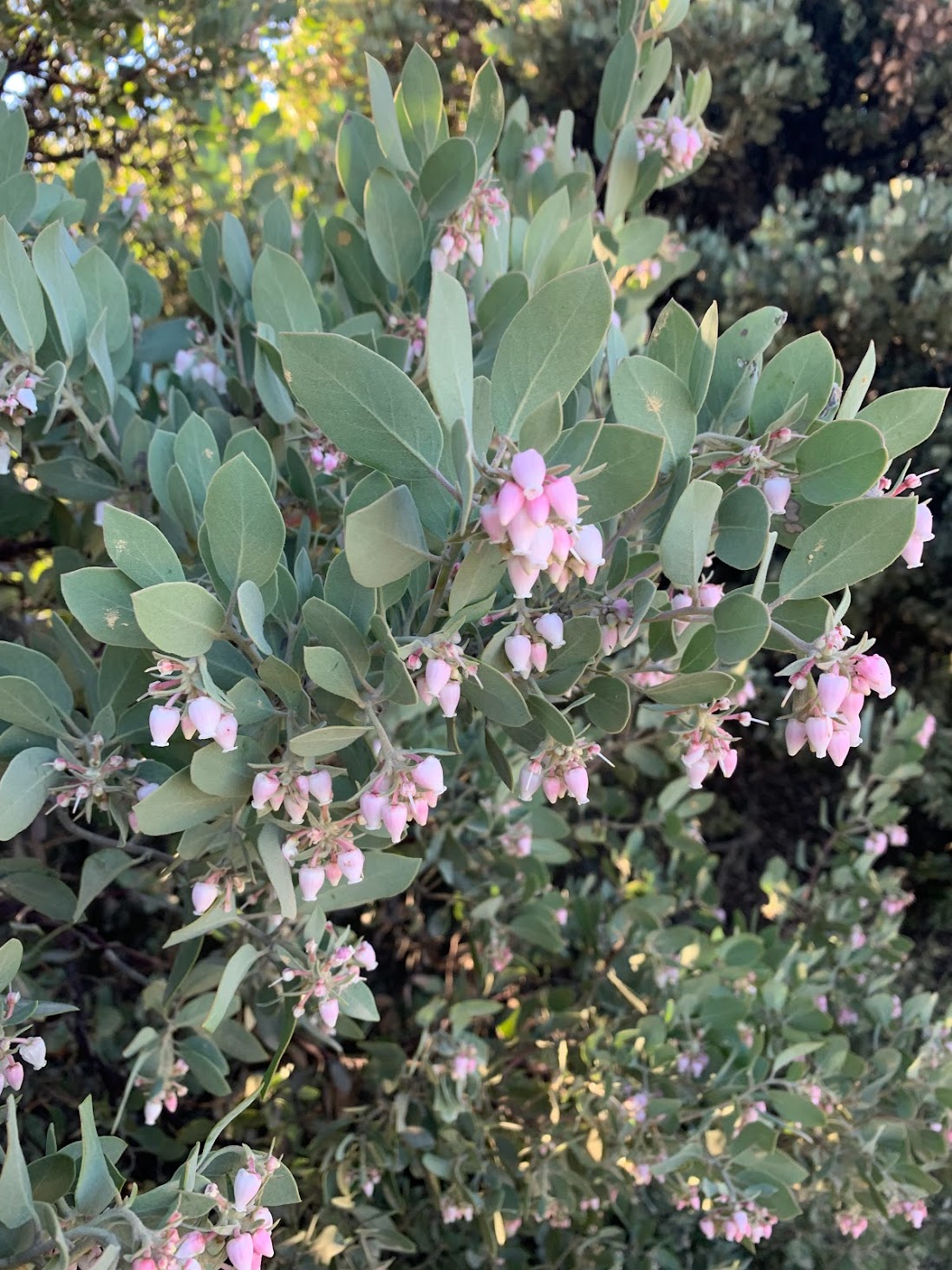
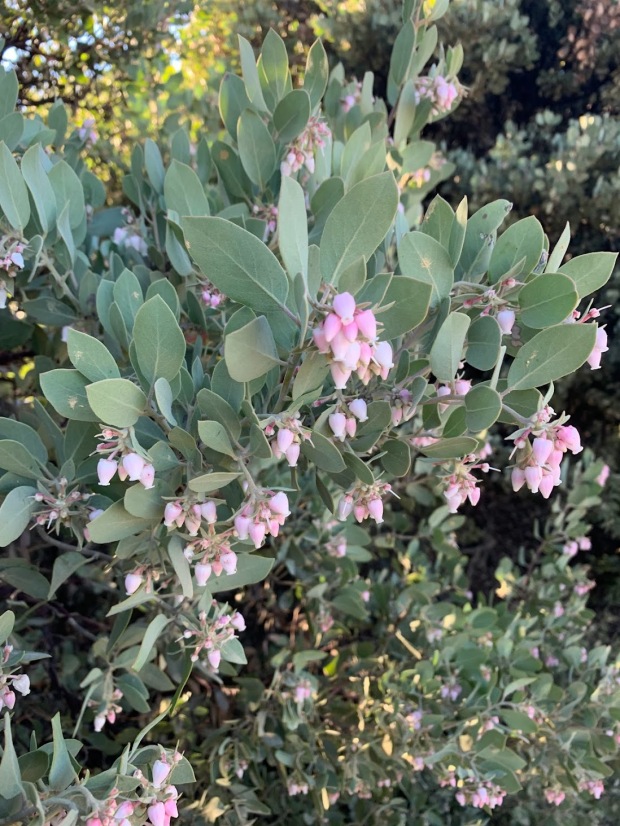
Hoary manzanita, Arctostaphylos canescens – on granodiorite, ridgeline south of Loma Prieta

Awake! The Unfolding is Nigh

Now the rain has wetted the green hills, flowers are bursting, birds are singing spring songs, and streams are noisily dancing. The solution is at hand. Toss aside the social media, decline the invitation to the movies, take the trail and saunter. Invite someone to join you, someone with whom you can adventure and discover the amazing life unfolding around the Monterey Bay. First on the list: the manzanitas! A dozen species within a short drive – discover them all, their beautiful bark, their honey-scented flowers with hummingbirds and bumble bees aplenty. Jackrabbits and brush bunnies, roadrunners and quail, coyote and mountain lion tracks around every corner. Need a guide? Sign up for a walk if you can find one: ask me if you can’t. The Monterey Bay’s ecotourist economy and resulting conservation start with you, now and tomorrow. Let’s make Ecuador a sister country to the Monterey Bay – biodiversity hotspots with plenty of inspiration to share.

-this post originally appeared as part of Bruce Bratton’s laudable BrattonOnline.com weekly blog: check it out! Subscribe! Support! It is The Place for news on the Monterey Bay. No other outlet supports a regular environmental column. Other outlets have SUBPAR environmental reporting.