face fly

This is Fall

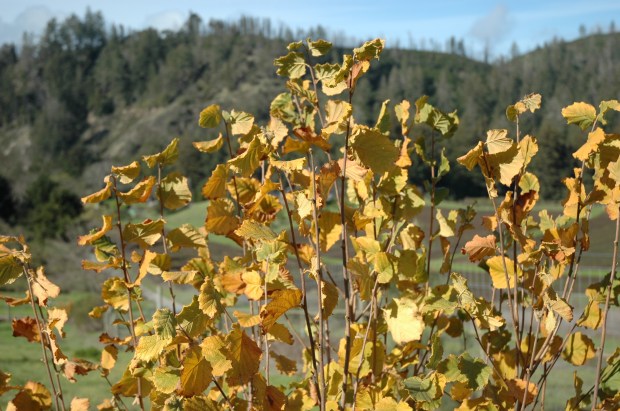
The short days and chill nights have arrived, and there is much more about Nature’s Fall to take a moment to appreciate.

Mediterranean Fall

Mediterranean fall is the transition between the hot, dry season and the cool, wet season. We must thank the Rocky Mountains and the Sierra Nevada, and a variety of other factors for the lack of summer rainfall in much of California, including right here on the Central Coast. Mediterranean spots are very rare on Planet Earth, and their unique climates make for very interesting, species-diverse places. The “rainfall season” starts October 1st. If you manage property, your target date to be prepared for significant rain is October 15: if you are prepared by that date, you will almost always be in time for the first big storm.

Now is Dry

The rain-carrying wintertime storms are starting to sneak our way, but we aren’t quite there. Meanwhile, it is the driest time of year. The tiny rains we’ve seen so far have only wet the soil surface; the soil is bone dry as deep as it goes over most of our landscape. The last significant rains were from a storm that ended on May 3rd and, prior to that, a wetter storm on March 21st!

To Wet Things

The first significant rain is one inch of precipitation, which usually wets the soil enough that it won’t dry out again until Spring. Although there are many soil types across our region, one of the dominant ones is sandy loam. Each inch of rain saturates about 1 foot of soil. I count the inches and imagine the soil getting saturated deeper and deeper, eventually pouring through to the bedrock and recharging the water table, raising the level of groundwater, feeding the springs, streams, and rivers.

When it Keeps Raining

If we are fortunate enough to have a rainy winter, the rain brings so much life. First comes the petrichor, the smell of the newly soaked ground, a chemical that has been shown to be akin to cedar scent, but you know it when you smell it. Fungus gatherers delight in the seasonal parade of edible treats from boletes to oyster mushrooms to chanterelles (and many more). The mosses and lichens brighten, coating and dangling from every limb of every tree. The dust settles and the seeds produced last Spring start to germinate, the golden hills blushing with green.

Fall Bugs

The dry summer means few biting insects, but there are lots of other interesting insects around in Fall. Over the summer, dragonflies went through metamorphosis in streams and ponds and now the young adults are hunting in the uplands, far from their watery birthing places. Watch for them in meadows, over farms, and even in towns. They are gobbling up flying insects, including the rafts of flying ants that came out when it rained a bit a week or so ago.

Ants!

Each of the first rains triggers some insect or another to explode. This last rain produced millions of flying ants on the North Coast. The air was thick with them as they floated on the breeze, more like tiny butterflies than the bees that they are closely related to. One of these early rains will also trigger termites to fly. Both ants and termites nurture winged males and females that disperse to new territories. Different species seem to prefer to take wing with different cues.

Rain Beetles

Another insect flies with the first rains: rain beetles. These are extremely hard to see, but especially rewarding. Many of us celebrate the season’s first significant storm by going outside and getting soaking wet. Rain beetles are no exception. The male beetles make a loud humming-buzz as they seem to float around during the first big storm of the season, right at dusk, and always near chaparral with manzanitas and pines.

Pests

The first rain obliterates the very annoying canyon flies but also sets in motion the birthing of the season’s first mosquitoes. Canyon flies, aka ‘face flies,’ are the miniature flies that invade your eyes and ears and somehow make it into your throats, hack hack! They like the dry summer and even that last small rain made them disappear. However, whenever the soil gets wet, the soil-borne mosquitoes will hatch.

Newts and Salamanders Ahoy!

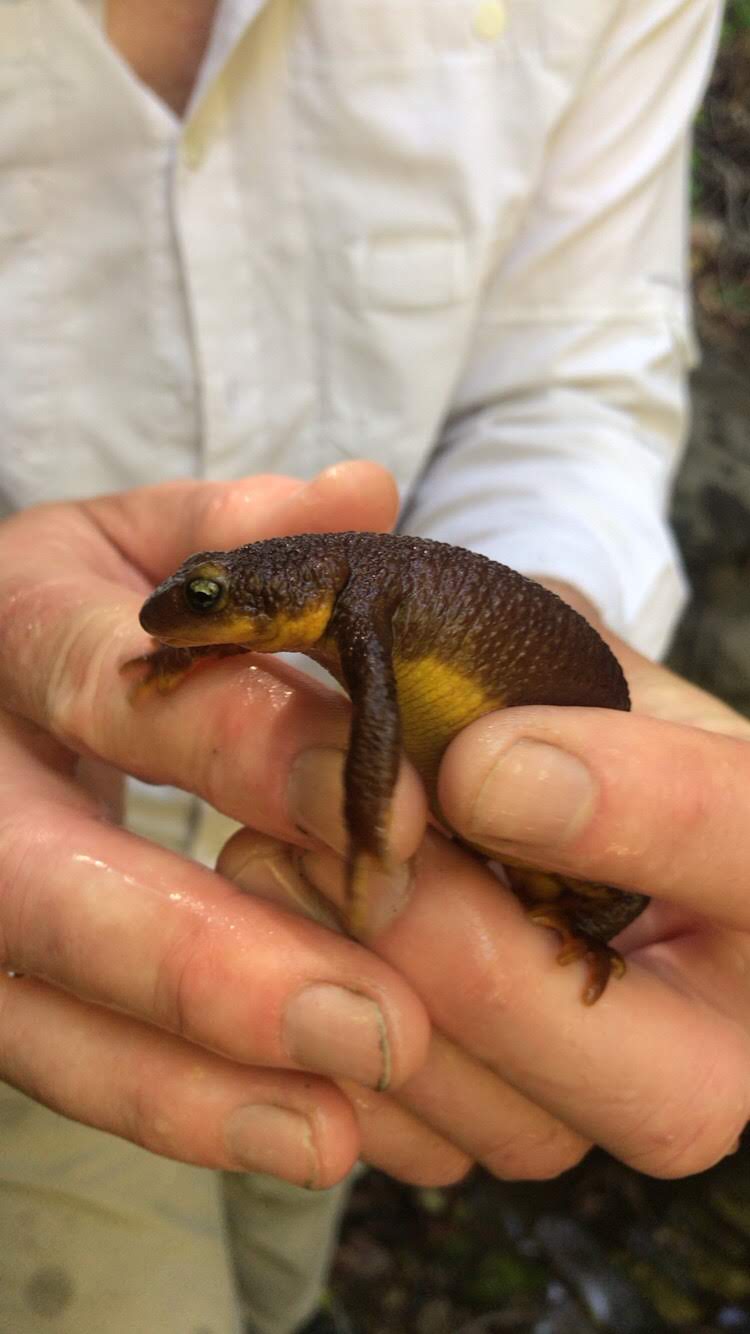
The first big storm also brings out amphibians. And here’s something you can do to help. I believe we are all pretty attuned to the first big rainfall, either by following the weather report or relying on a friend that does. As the forecast settles on the first storm of the season, stock up on your groceries and cancel your evening appointments. You’ll be safer and the critters that move around for the first deluge won’t die under your vehicle’s tires. Newts and salamanders await the first big rain and then they move around at night. They’ve been holed up in some burrow complex, pacing back and forth all summer eating beetles and grubs along a set of tunnels they have become quite familiar with. The night with the downpour means that they can move out of that familiar territory towards their breeding pools. And, move they do: in mass, across roads, in straight lines to their favorite pond.
First Flush

The first few rains also set loose a host of pollutants that have been concentrating during the dry season. Another reason to not drive on those first few nights of the Big Rain is that the roads are particularly slippery due to the concentration of oils that have leaked out of cars and plastered themselves to the roadways. After making the roadway treacherously slippery, those vehicle fluids then wash into the streams and rivers and flow out to the ocean. I have a habit of looking at the water flowing down the sides of roads in the City of Santa Cruz during the first rains and noting the continuous normally iridescent, oil sheen that is destined to the San Lorenzo and our precious Bay….so sad. If it is your job or you have any means of cleaning up the roads or other pollutant areas for that first flush of rain, I wish you luck in preparing for that, which is right around the corner. This also means you must pay attention if you have made any bare soil by gardening or farming- sediment loss is soil loss, and soils are a non-renewable resources, taking a long, long time to create.

-this column appeared in Bruce Bratton’s blog BrattonOnline.com, a place you should bookmark for the best coverage of local, regional, and international news.
Summer Flies

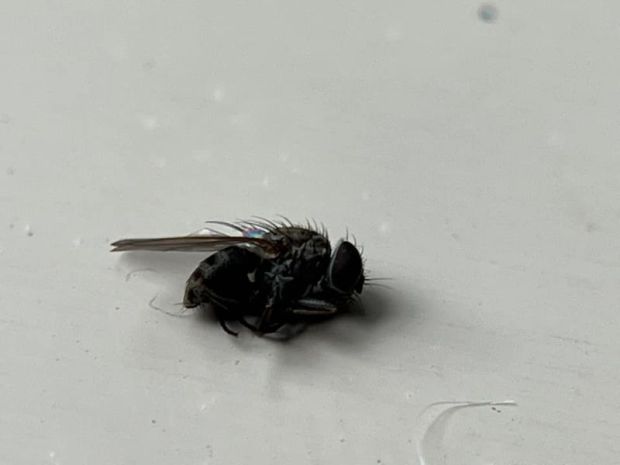
Conservationist Mike Splain coined an appropriate measure of the summertime population level of face flies in Big Sur: ‘apocalyptic.’ Many readers who spend any time outside in the summer away from the immediate coast will know the insects of which I speak. They are small surprisingly fast flies that specialize in buzzing into facial orifices. My friend Catherine suggests we call them ‘eye ear nose and throat experts,’ a nod to ENT medical specialists. In Latin, they are known as Fannia conspicua and in English, “canyon fly.” When asking friends recently what they call them, I got “dog pecker flies” and a suggestion that they are officially called “eye gnats.”

Face Fly Season

These flies only recently emerged in numbers in the hills above Santa Cruz. The heat seems to explain their population explosions. This past weekend, I was surprised to be bothered by them at sea level in Big Sur. I avoid all inland Big Sur areas after late Spring until well after the first rains when they disappear. Cool rains are their antidote. Once they become numerous, it is impossible to have an outdoor conversation without what we called back east the ‘New Jersey wave’ – an attempt to shoo the flies away with a constant back and forth motion of the hand, especially near your ears. They seem to love jumping into your ear holes.

Secret Bites

This fly bites. You can’t feel their small bodies land, except in your ears, nose, or eyes…but they will land and bite you anywhere that’s exposed. They don’t bite quickly and easily scare away before they bite. If they do get you, they leave a small welt that, for me, is itchy and persistent. If you watch wildlife – deer and rabbits – you’ll see they are suffering greatly from these flies. Deer ears wag back and forth, bunnies blink a bunch.

Mosquitoes

During the summer, in a fair trade for the profusion of obnoxious face flies, we don’t have to be attacked by mosquitoes, which are nearly absent in our Mediterranean climate. You have to be near water in the summertime to have mosquitoes around these parts. Estuaries, like the Elkhorn Slough, have summertime mosquitoes. If you are lucky enough to have a pond to swim in, you will also have mosquitoes. We are most familiar with mosquitoes that have larvae in the water, but we’ve got another type. Once the rain re-wets the soil, a swarm of certain types of mosquitoes emerge which are able to have a life cycle in moist soil.

Horseflies

My second least favorite biting insect (after face flies) is the horse fly, aka deer fly aka doctor fly. At least I know what these are officially called. Not that knowledge is power. We seem powerless against this troupe of pests. In the family Tabanidae, naturalists call them ‘tabanids.’ Country folk from the south through Central and South America call them doctor flies because they are surgeons, painlessly piercing a hole in your skin through which to mop up blood. They hurt when they leave you because their two parted cutting blade proboscis is barbed and those barbs hurt like the Dickens when they pull out…but then it is too late to get even as they fly quickly away.

I once asked someone in Costa Rica if the doctor flies were bad in the forest and he said ‘in places.’ Somehow, both doctor flies and face flies are clustered in distribution: bad in certain places and not so bad in others. When hiking, it seems you walk into packs of horse flies that, like packs of feral dogs, take advantage of your distraction in swatting one so that another can stab you for her meal. Yes, I said ‘her’ because, like mosquitoes, females need protein in blood to make eggs.

Conversely, Fly Friends

Most folks know what a dragonfly looks like but underappreciate the similarly useful predator called the robberfly. Draggonflies grow up in the water; their larval stage fiercely devours other aquatic life, including small fish, mosquitoes, etc. After they emerge in their winged form…the beautiful things we are more likely to recognize… adolescents move far away from water so we see them many places. Dragonflies zip about catching other insects on the wing, controlling things like face flies, mosquitoes, and horseflies.

Unlike dragonflies, Robberflies are arid environment specialists; but, similar to dragonflies, they are aerial predators controlling many of the insects that we would rather do without. As larvae in terrestrial habitats, robberflies prey on all sorts of other life they encounter. As adults, robberflies eat wasps, bees, dragonflies, each other, mosquitoes, and lots of other flying critters. Robberflies are aerial acrobats with relatively long bodies and wings folded over their tops. I find them most recognizable because of their long legs which they use to grab onto prey.

What Good are Flies?

Clouds of face flies… hovering wining mosquitoes… fleet attacks of horseflies…darting dragonflies and the assassin-grabbings of robberflies…just a few examples of the diverse strategies of our invertebrate relatives at making life work.

Why should we like flies? Think of flies as the aerial wildlife that they are. Right there in front of you, all around Santa Cruz, you can observe an aerial ecosystem with prey and predator interactions. Those insects emerge from aquatic or terrestrial systems and can be used as indicators of ecosystem health.  Bugs feed bats, frogs, and birds, critters that most people want in their lives. Certainly, farmers want those bug eating animals doing their crops a favor.

Bug Friends

There are many ways to be bug friendly: don’t go ballistic over the face flies! If I find out what the face flies are…and how folks approach their control…I’ll let you know. Most folks don’t much care about mosquito control as they are close to nonexistent. No one I know has ever figured out how to control horse flies and they aren’t so numerous as to warrant much effort. With time, we may learn how to nurture robber fly populations.

We also want to support organic farming practices that avoid synthetic pesticides which continue to impact the insect world far from farms. As opposed to Europe, the United States still allows neonics, aka neonicotinoid, a type of pesticide that is used in most corn and soybean crops and which has been shown to negatively affect honeybees, so probably also impacts other non-target insects around those vast croplands.

As we are thinking about how we can use fewer pesticides around our homes we can also avoid electronic bug zappers. Seemingly intelligent people are still powering up the UV lights that attract many insects to an electrical killing screen, a bug zapper. The UV light doesn’t attract biting insects but rather kills a host of other insects giving the owners a sick sense of success as the machine makes the zapping noise over and over as more and more insects are fried on the electric screen.

More Bugs!

Think about what you can do to attract more, not fewer, insects around your home: nurture native plants, especially wildflowers that blossom in all seasons. Coyotebrush, an easy to grow shrub, is blossoming and full of insect pollinators right now, in the dry depths of summer. Diverse native plants including ones that blossom at all times of the year will contribute to native insect diversity. If you are a generous donor type, give funds to the Xerxes Society, an incredibly successful and efficient nonprofit group devoted to conservation of invertebrates.

-this post originall published in Bruce Bratton’s amazing weekly blog BrattonOnline.com