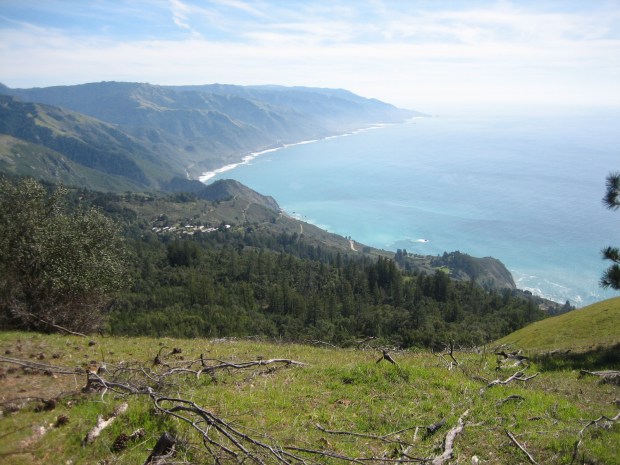
endangered species

Environmental Injustice and Accountability

Shall we all agree? Injustice shall not stand! But what are the ultimate measures of environmental injustice, and how do we make those responsible for violating those measures more accountable? Shouldn’t these be the primary questions we pose as ethical humans concerned with the welfare of future generations? As the which came first the chicken-or-the-egg statement goes, ‘no peace, no justice.’

Species Loss and Soil Loss

I posit that the loss of species is the primary measure of environmental injustice. And I would suggest that soil loss is, as a measure, just as important. It is sometimes difficult to make the case that a given species is critical to the welfare of humans. But any informed, rational conversation on the subject will eventually conclude that the most justice is served by ensuring all species survive. It is similarly difficult for most people to understand and discuss the importance of keeping soil in its rightful place. And again, if people take the time to have informed rational discussions on this matter, they will conclude that is absolutely critical that humans do everything in their power to ensure that soil is not lost…from any place.

Measuring Success

Humans have become expert at measuring things, and there are easily available metrics for monitoring species and soil health. The federal government of the United States has an Endangered Species Act and a Marine Mammal Protection Act and the State of California has its analogues. These two very powerful pieces of legislation demand a science-based approach of measuring the degree to which species are approaching extinction, publishing lists of species which have entered that trajectory, and demanding humans take the actions necessary to recover those species back to healthy populations. With those rules, we have progressed well in our species health measurements, database management, analyses, and predictions – oodles of very smart humans’ careers are spent on these issues. The US Fish and Wildlife Service, National Marine Fisheries and California Department of Fish and Wildlife are the authorities responsible for protecting species.

Similarly, both the federal government and the State of California have strong legislation to address soil loss. The federal Clean Water Act and the state Porter-Cologne Act both address soil loss where it can most easily be shown to affect human welfare: in wetlands, streams, and rivers. Again, humans have become adept at measuring soil (aka ‘sediment’) levels in our wetlands and waterways. The acting authority for both pieces of legislation is the State Water Quality Control Board, acting with Regional Water Quality Control Boards…ours being the Central Coast office based in San Luis Obispo.
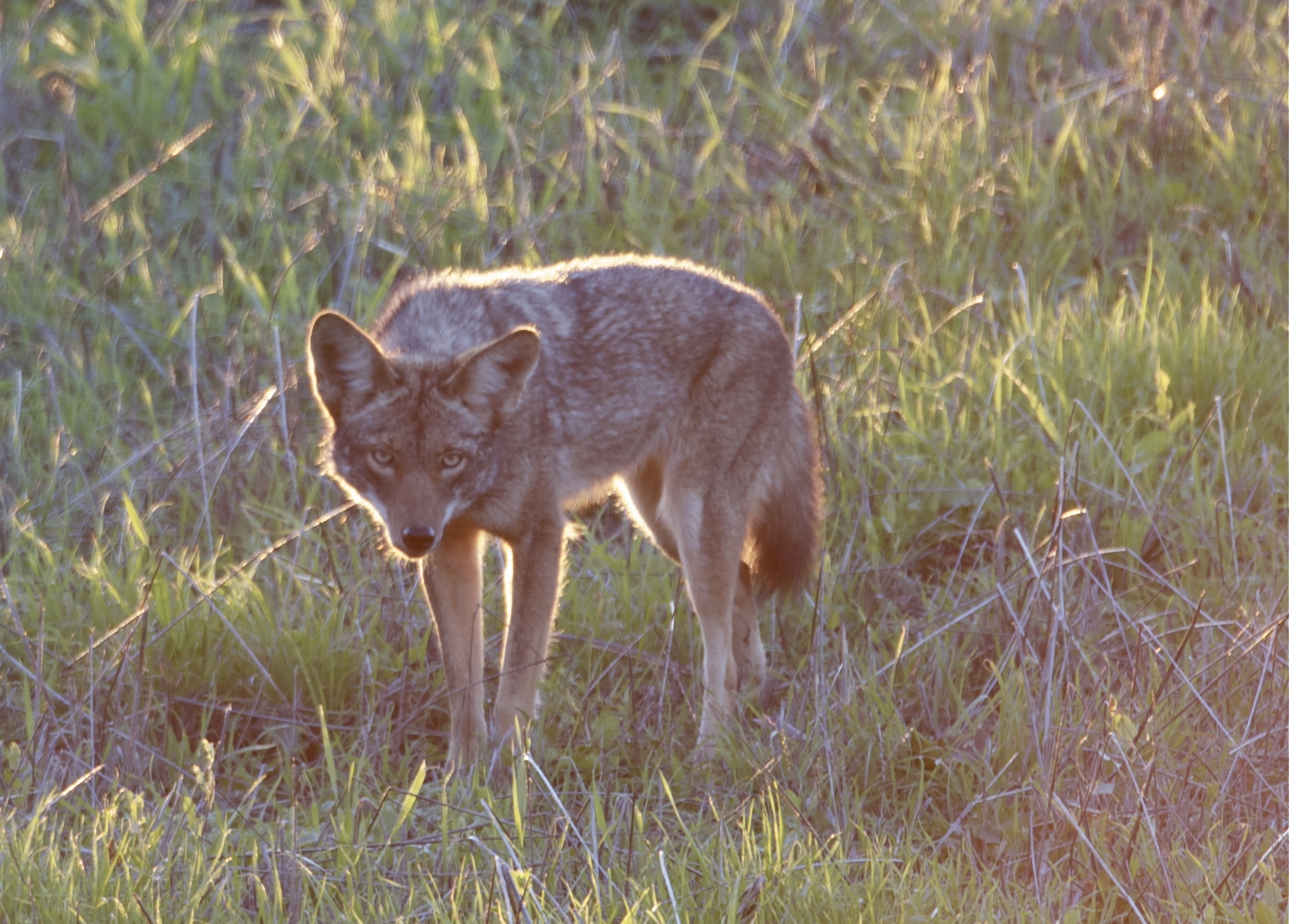
Photo by Vince Duperron

Progress?

We have had some success, but mostly we are failing to address species decline and soil loss. The Monterey Bay region has excellent examples of both the limited successes and abject failures with both issues. If you get to Moss Landing or Monterey and hop on a whale watching boat (and I hope you do!), you can predictably view endangered species that, due to legal protections, measurements, and adaptive management, have recovered somewhat from extinction. Hike at the Pinnacles, and you can see California condors which most people feared would go extinct not that long ago. Walk on some of our local beaches and you might see a snowy plover…another species who owes its survival around here to the Endangered Species Act. Same with the southern sea otter, marbled murrelet, and the central coast populations of steelhead and coho salmon. If I’m convincing you of humans’ ability to reverse species extinction, you are being premature. All of those species, and dozens more endangered animal species remain on the federal and state lists of imperiled species because they have not been recovered. And, many, many more species qualify for listing under the state and federal endangered species acts but the authorities haven’t spent the time to analyze them. Locally, only the peregrine falcon has been ‘delisted’ – no small feat! The reason so many species are so tenuously holding onto their existence: lack of accountability.

Accountability

Holding people accountable begins with measuring their success. After legal action by the Center for Biological Diversity, the US Fish and Wildlife Service has been dutifully publishing 5-year reviews of the status of each federally listed species; the stories in those reports are not good, but their reports fail to go so far as to hold anyone accountable. Turning to our much-vaunted free press, The Intercept recently published an exposé that illustrates who should be held accountable for the lack of protection afforded endangered grizzly bears. That story, and similar stories I’ve documented from around the Monterey Bay, point to problems with the justice system. If you haven’t figured it out yet, the US justice system is seriously in trouble: there is no justice in the USA! As shown in that Intercept article, anyone can destroy the habitat of, or kill individuals of, any endangered species and easily get away with it.

Point Reyes Horkelia: another species about to be listed as Endangered due to bad public lands management decisions

Local Examples – Endangered Species

Whale species, snowy plovers, Ohlone tiger beetles, California red-legged frogs – all local endangered species with good documentation of legal infractions that have gone unanswered. There are films, witnesses, and reliable first-hand accounts (including by legal enforcement personnel) showing boat captains purposefully pursuing and interfering with the movement of – harassing – legally protected whales on the Monterey Bay…and these are ongoing situations. When interviewed, Federal enforcement personnel say that it is hopeless to enforce such infractions because they report to too few legal personnel and those personnel say such cases don’t stand any hope of holding up in court. Similarly, State enforcement personnel say that unless they catch, film, and have witnesses of someone in the act of killing an endangered sea otter (with ‘blood on their hands’ and a ‘body in their trunk’) there is no hope of legal enforcement of the many more frequent (and well documented) situations of human behavior negatively impacting that imperiled species. Again, they say this is due to limited legal bandwidth within their agency and the hopeless nature of the justice system in convicting anyone. In Florida, there is good legal precedent for finding parks agencies responsible for allowing visitors to trample endangered sea turtle nests. In Florida, as with California, state parks personnel are required to plan for such endangered species protection, even on popular beaches. Around the Monterey Bay, parks agencies routinely allow visitors to trample endangered snowy plover nests and squish endangered Ohlone tiger beetles: there’s documentation aplenty with both situations. As recently as this past year, park agency personnel have destroyed wetlands occupied by California red-legged frogs to ‘improve’ trails. In past years, park agencies have graded and graveled trails, destroying Ohlone tiger beetle habitat. When reports reach federal officials, they respond that they contact parks personnel, admonish them, receive apologies, and then they forget it…there is not one bit of justice served!

Local Examples – Soil Loss

I could, and will in a future essay, provide a similar litany of examples where responsible agencies have failed to enforce regulations designed to address soil loss. The San Lorenzo River is ‘listed’ as impaired by sediment- soil loss in that watershed is rampant and largely unaddressed. There is more to come on this.

Upper- and Lower-Level Accountability

What do we do? If voters don’t demand that District Attorneys enforce environmental crimes, they won’t. If we don’t demand that our politicians have environmental platforms, they won’t work to improve the justice system so that it protects species and soils. But is the fault really way up there at those ranks? Can’t we demand accountability at lower levels? After all, unless we work together at every level, we won’t succeed.

If you see something, say something. We must have compassion for the enforcement personnel who so want to do their jobs but feel disempowered. And let’s learn how to be good witnesses, how to provide the right reports, and how to help document the two primary root environmental justice issues. Evidence must mount from more people more frequently. We must also make sure that the evidence is well stewarded: I look forward to annual reports from enforcement agencies about the frequency of infractions that remain unenforced.

Finally, why do we allow parks agencies to keep operating so that visitors are destroying the endangered species that those parks were designated to protect? Why do parks personnel allow so much soil loss from roads, trails, farms, and buildings? This goes beyond enforcement. This is a political issue. No one wants such injustice.

-this essay originally posted by the wise Bruce Bratton, who aligns some of the areas’ best minds to post in his weekly blog at BrattonOnline.com – why not subscribe today?

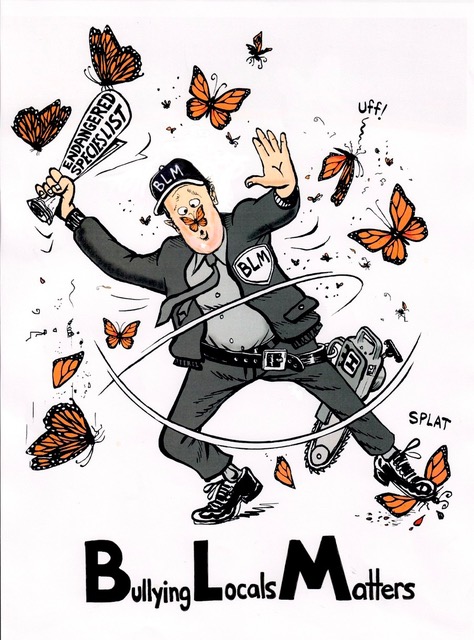
The US Bureau of Land Management-  Species Conservationists?

The California division of the Bureau of Land Management suggests that it is concerned about rare species, but what evidence is there for those of us considering their management of Cotoni Coast Dairies? It is crucial that public land managers take care of rare wildlife and plants – doesn’t it seem like public lands are the right place for species conservation? Let’s consider what we’ve seen…

Background

The BLM has some great policies to guide its management of rare species. It has a guidance manual, Manual 6840 “Special Status Species Management,” that says that BLM will manage not only for species on the USA’s list of threatened and endangered species, but also for species that are candidates for listing as well as those which State wildlife agencies consider priorities for conservation. The manual directs each BLM State office to keep a list of State Sensitive Species (both wildlife and plants) and to update those lists every 5 years in collaboration with State wildlife agencies.

BLM California has published the following lists of sensitive plants and wildlife.

California BLM’s Sensitive Species: Problems

Although BLM’s policies are good, somehow their implementation at Cotoni Coast Dairies, designated as one of  5 onshore units of California’s Coastal National Monument, has been faulty. For instance, plant species listed by the State as rare (Rank 1B) are automatically considered sensitive according to BLM policy, but the BLM California sensitive plant list is missing three of the California rare plant Rank 1B species that have been documented at Cotoni Coast Dairies: Choris’ popcornflower, Santa Cruz manzanita, and Monterey pine. In addition, although BLM’s State Sensitive Plant List has Point Reyes Horkelia, it is not noted as occurring under the management of the Central Coast Field Office, which oversees Cotoni Coast Dairies. Moreover, the last time BLM’s sensitive wildlife list was updated was 2009; it is missing many species recognized by California Department of Fish and Wildlife as rare, including some that occur at Cotoni Coast Dairies. Here are the Cotoni Coast Dairies’ wildlife species that would have been included on BLM’s sensitive wildlife list if the BLM California State Director Karen Mouritsen were following her mandated actions under Manual 6840:

Common nameLatin nameRarity Status
   
Grasshopper sparrowAmmodramus savannarumCA Species of Special Concern (nesting)  
Northern harrierCircus cyaneus  CA Species of Special Concern (nesting)  
Olive-sided flycatcher  Contopus cooperiCA Species of Special Concern (nesting)  
American badgerTaxidea taxusCA Species of Special Concern  
San Francisco dusky-footed woodratNeotoma fuscipes annectens  CA Species of Special Concern

BLM Central Coast Field Office: Problems

 The staff at BLM’s Central Coast Field Office have described themselves as being ‘conservationists.’ If this is so, then they are prevented from carrying out their self-professed ideology by someone higher up in BLM, perhaps at the State BLM level under Director Mouritsen’s oversight. In 2021, Michael Powers is listed as the author of the “Biological Monitoring Plan, Cotoni-Coast Dairies unit of the California Coastal National Monument, Updated December 2021.” It is odd that there is a monitoring plan in absence of the science plan mandated by the 6220 Manual, which provides policy for managing units of National Monuments under BLM’s stewardship. This oddness continues when one more closely peruses Mr. Powers’ monitoring plan.

Section V of the monitoring plan is titled “Special Status Species,” but the section fails to mention the majority of wildlife and plants on California BLM’s sensitive species lists. The only species listed in this section are the California red-legged frog, steelhead trout, and coho salmon – these noted as ‘Federally Listed’ at the top of that section.  The section of the monitoring plan fails to list the monarch butterfly, which was published by the US Fish and Wildlife Service as a candidate for listing as endangered a year before the monitoring plan, in 2020. According to BLM policy in the 6840 manual, federally published candidate species are to be considered sensitive species with such monitoring plans.

BLM Natural Resource Impacts

Some would suggest that plans are just plans and lists are just lists, but how do these things really matter? Someone in one of the California BLM offices ordered candidate species monarch butterfly habitat to be destroyed at Cotoni Coast Dairies (one day, we’ll know who!). Destroying that habitat makes it more difficult to restore healthy populations of monarch butterflies on Planet Earth. The increasing rarity of monarch butterflies that BLM has created places more burden on other landowners, both public and private to help monarchs not become extinct.

More broadly, someone evidently told BLM’s Mr. Powers not to consider the entirety of California State BLM-listed sensitive species in the monitoring and, presumably, management of Cotoni Coast Dairies. Since BLM State or local officials have not asked for help with budget, there must be some other issue, but political issues don’t seem logical. BLM’s policy states the following reason for analyzing, monitoring, and planning for the conservation of sensitive species: “to promote their conservation and reduce the likelihood and need for future listing under the ESA.” The majority of Americans on either side of the political divide support wildlife conservation. It is in everyone’s interest for species not to qualify for listing under the Endangered Species Act.

Without concerted collaborative effort, it is likely that at least one of the sensitive plants or animals at Cotoni Coast Dairies will face listing under the Endangered Species Act (ESA) in the next 30 years. The Point Reyes Horkelia is probably the most likely species, but the Monarch butterfly is also quite likely. The BLM has no plans to monitor those species, so the agency won’t know if its management of Cotoni Coast Dairies is helping or hurting those species.

What You Can Do

Would you please help? Please write State Director Mouritsen and ask her to protect sensitive species at Cotoni Coast Dairies as well as throughout California. You might mention that she should:

  • Order the Central Coast Field Office to consider BLM California’s sensitive plants and wildlife at Cotoni Coast Dairies as required by BLM’s 6840 Special Status Species Manual.
  • Publish an updated State BLM sensitive wildlife list in collaboration with the California Department of Fish and Wildlife, as mandated by the BLM’s 6840 Special Status Species Manual.
  • Publish an updated State BLM sensitive plant list to include the State ranked 1B plant species documented at Cotoni Coast Dairies, as mandated by the 6840 Manual.
  • Respect those who care about natural resource protection as much as she respects those clamoring for access for mountain bikes at Cotoni Coast Dairies.
  • Publish a Science Plan for Cotoni Coast Dairies as required by BLM’s 6220 National Monuments, National Conservation Areas, and Similar Designations (Public) Manual

That could be a short email note….it would be fast to write! It could even be a cut-and-paste of the those bullets. What we need is numbers of notes to show the Director that there are lots of people who care. Here’s her email address: kmourits@blm.gov It would be great if you could cc me, so I have a record of the communications: coastalprairie@aol.com

-this article originally published in Bruce Bratton’s impactful weekly blog BrattonOnline.com

Our Local, Endangered Pine Species

Monterey pine (Pinus radiata) is an extraordinarily valuable endangered species that has received insufficient conservation recognition. The stand of pines around Año Nuevo have been heavily impacted by wildfire but are regenerating well (for now). Meanwhile, much of the Monterey pine stand on the Monterey Peninsula is effectively gone. Cambria’s Monterey pine forest has likewise been compromised. In both cases, while there is what appears to be Monterey pine forest in and among homes, those trees are what are termed ‘relictual’ – without fire, they will not regenerate and no one is suggesting that prescribed fire be used in neighborhoods to manage those forests to perpetuate them as they would naturally need to be. In an ideal world, homeowners in Cambria and on the Monterey Peninsula would be so interested in conservation that they would participate in an expensive program to replant older pines with enough genetically appropriate seedlings as to maintain those populations, but we have too little leadership, interest, and funding to support that kind of initiative. My hope is this becomes a reality. The first step is to build awareness and interest. Your job is to help tell this story to increase support for the protection of this pine. The next step is to gain State legal protection of this endangered species.

Timber Importance

Monterey pine is an enormously important tree for producing timber around the globe. Some of my advisors suggest I start any argument for conservation in the economic realm, and so I start here. If you are going to discuss this tree in this context, the first thing you need to do is to use the correct terminology, starting with the right name for the tree. Call the timber tree ‘radiata pine.’ That’s because it has been so intensively bred as to be easily distinguished from its wild counterpart.

10 million acres of radiata pine occur in timber plantations, mostly in Australia, New Zealand, Spain, and Chile.

As the effects of climate change intensify, it will become increasingly important to maintain and adapt the genetics of radiata pine. While there is some genetic diversity already embedded in plantation radiata pines, there will inevitably be a need for wild genes to augment the plantation trees. And so, conservation of the wild populations becomes important even to the timber industry. Because the wild populations are distant enough from each other, each population has unique attributes that would be important for the health of radiata pine for future timber production.

The Five Pine Populations                           

There are five wild Monterey Pine stands, three in California and two in Baja, Mexico: Año Nuevo, Monterey, Cambria, Cedros Island, and Guadalupe Island. The Año Nuevo stand is the largest, growing from southern San Mateo County in the north to near Bonny Doon Road in the south. The Monterey stand is bounded to the north by Highway 68 and then into the northern Big Sur to the south. The Monterey stand occupies a series of ancient marine terraces, each with very different soils, an ‘ecological staircase’ with each terrace supporting very different biotic communities. As you move up the staircase, the pines become increasingly short-statured due to age of the soils increasing and, therefore, the soil fertility decreasing.

The population in and around the town of Cambria. There are also two very odd populations on islands to the west of Baja California. Cedros Island is 14 miles offshore of central Baja and Guadalupe Island is 130 miles offshore of northern Baja Mexico. The Guadalupe Island population has historically been highly threatened by goat grazing, but goats have been recently controlled and now there is hope. The Cedros Island population fares better. The two Baja populations of Monterey pine stand out in having only 2 needles per bundle as opposed to the 3-needle bundles from the other populations.

Local Importance, Local Threats

Superficial consideration might suggest that Santa Cruz County’s Año Nuevo stand of Monterey pine is well protected, but there are important issues to consider which might lead to different conclusions. This stand of endangered pines is the largest and much of it is located on property where the owners are amenable to good stewardship. And, this stand is also likely the origin of the plantation ‘radiata pine,’ and so contains the historical suite of genes that have been so important to forestry. This location is the only one where Monterey pine hybridizes with another species – knobcone pine. Sometimes, people refer to ‘hybrid vigor,’ and breeders once saw that expressed from trees grown from Año Nuevo stock in their trials as they selected the best trees for plantations.

Although the Año Nuevo stand has strong potential for conservation, there is no plan to guide that conservation and no leadership in convening and focusing that stewardship. An invasive pathogen, pine pitch canker, has the potential to continue spreading, killing up to 80% of the trees. Other pathogens will no doubt be introduced due to carelessness in regulating global trade; those pathogens will likely be spread along recreational trails and roads through the population. There is also the issue of fire…

The 2020 CZU Lightning Complex Fire raged through most of that population spurring (in patches) a whole new generation of trees. How frequently will the stand burn is an important question – too frequently and the pine may be unable to persist for many more generations.

Fire Adaptation

For millions of years, the distribution and health of Monterey pine has been shaped in a dance between fire and fog. Not too long ago, Monterey pine circled the Monterey Bay, but it has persisted only in the foggiest and most fire-free areas. With climate change, wildfire is expected to increase in frequency and intensity. The 2020 fire left large numbers of dead pines and other trees standing; those present a massive fuel load for subsequent fire(s). With so much fuel loading and anticipated increased fire frequency, I am concerned that fires will become too frequent and intense for adequate regeneration of Monterey pines. For those of you who want to view a now very rare healthy and diverse Monterey pine forest, I strongly recommend that you visit the very few remaining areas very soon.

Where to Go                                                                            

While it will be instructive to see how Monterey pines are regenerating from fire at the Año Nuevo stand, it is perhaps more enjoyable to see mature stands near Monterey. Within the Año Nuevo stand, you can see post fire regeneration by gazing into the forest along Highway 1 at Waddell Creek beach. If/when BLM opens its northern trails at the Cotoni Coast Dairies, visitors will be able to glance one of the southern-most patches of the Año Nuevo stand of Monterey pine is on a hillock above those trails. Near Monterey, the Huckleberry Hill nature preserve is worth seeing as is Point Lobos State Park and Jack’s Peak park.

What You Can Do

In 1999, the California Native Plant Society petitioned the State of California to list the species as Threatened; the State however refused to consider the petition due to lack of staff resources/time/money to adequately process the petition. This example joins a plethora of other similar situations: the State of California needs citizen support to allocate the necessary funding to list deserving species as Threatened or Endangered so that they will be adequately protected at the local level. We should all be writing to the California governor and our local state assembly and senator members to ask for increased budget and attention to promulgating and analyzing listing petitions for species including the Monterey pine. Here are the contact emails: Governor Newsom, Senator Laird, and North County Assemblymember Gail Pellerin or  South County Assemblymember Robert Rivas.

-this article orginally published in my weekly column at BrattonOnline.com, where Bruce Bratton’s team updates our community about local issues from experts who tirelessly track such things. Thanks Bruce!