climate change

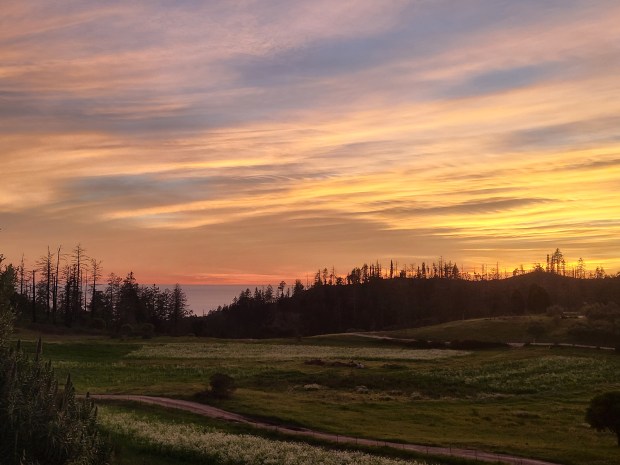
a colorful sunset

Tremulous Time

Humans keep calendars and clocks, rarely aligned with Nature’s metronome. Religion nudges ceremony further, further from the harmonic pulse of seasons, from the spin of Earth, Moon, and Sun. The peeling of millions of people-machines drown timekeeping (dawn and dusk!) birdsong, belching chemical steam, blotching sky, trapping heat, swaying ancient melodies into continuous disharmonious cacophony.

Disoriented humans growing old too fast, days’ flight, years’ fast wrinkle. 
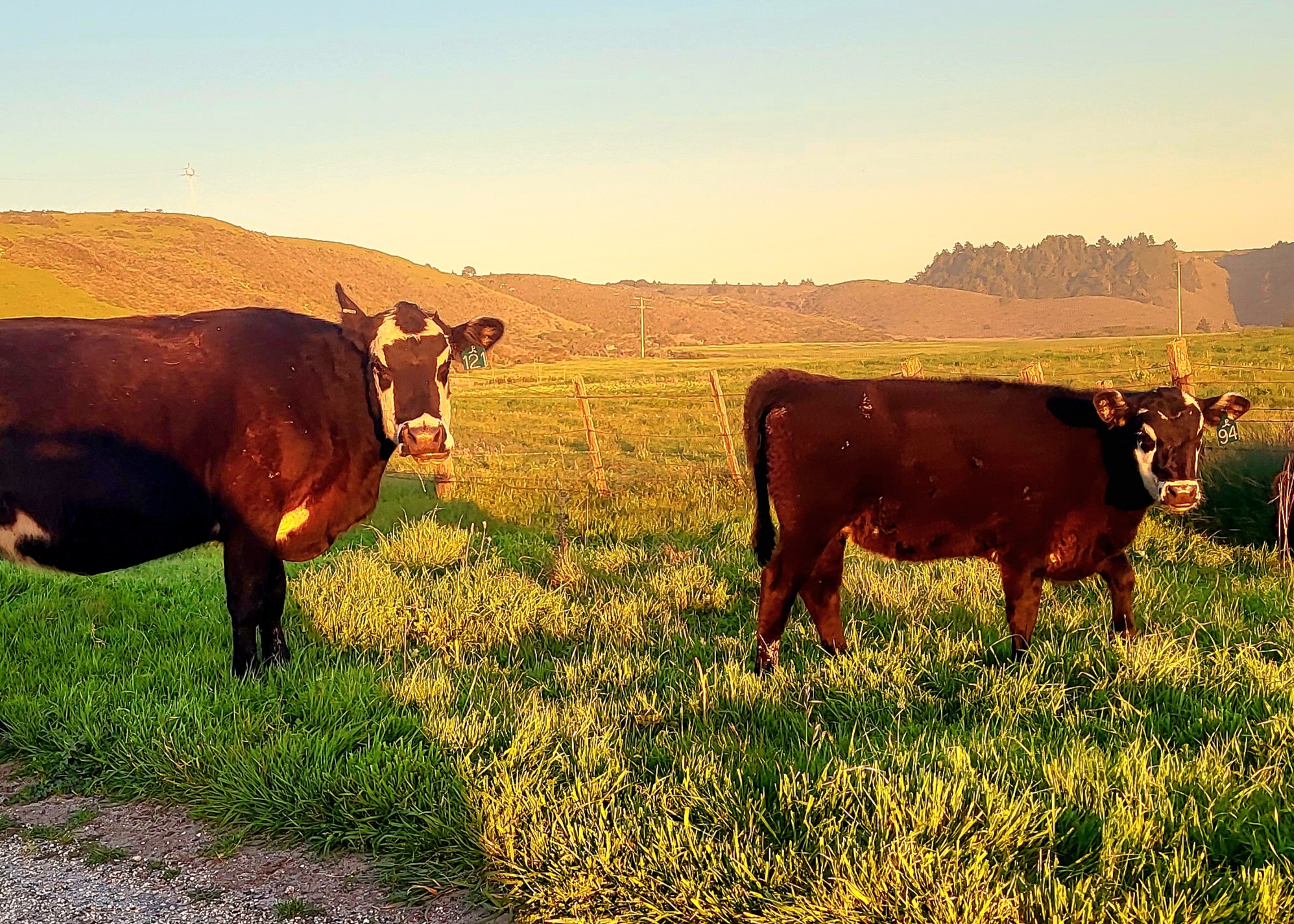
Cows on the road into Molino Creek Farm, photo courtesy of M. Lipson

Jumping Ahead

Daylight Savings Time came and March lept into the place where April used to be. Apples are blossoming a month too soon. The blinding greens from the shining fields are already upon us, grass bolting, wildflower riot. Heat waves follow draughts of rain (again!). No more rain foretold and yet too early to believe it is the end of this ‘rainy’ season.

Prescience

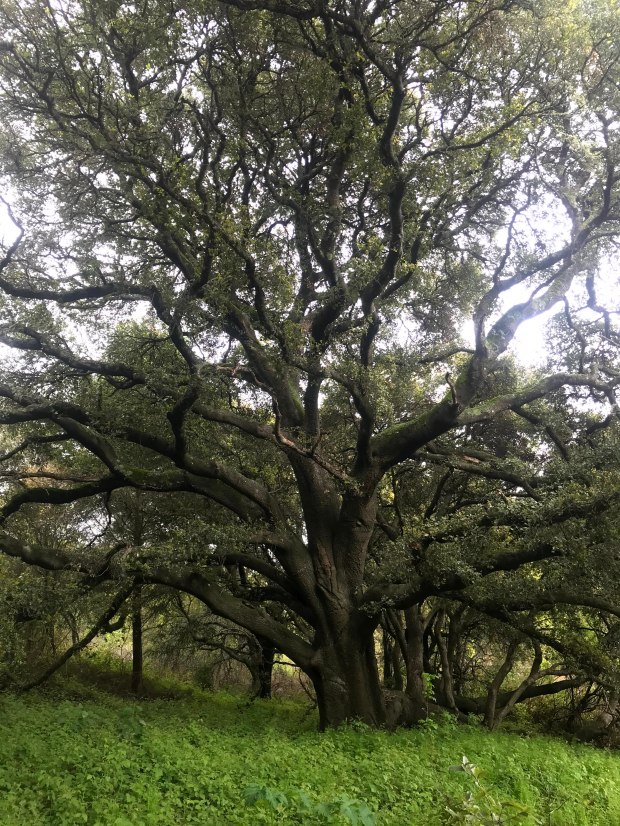
Presently taking the time to gaze and smile at verdant hillsides, lush grass and dark green, leafy oaks. Endless ranks of pointy grass strain skyward portending future pokey seeds and ankle-torturing socks. For now, it is grassland Peak Green. 

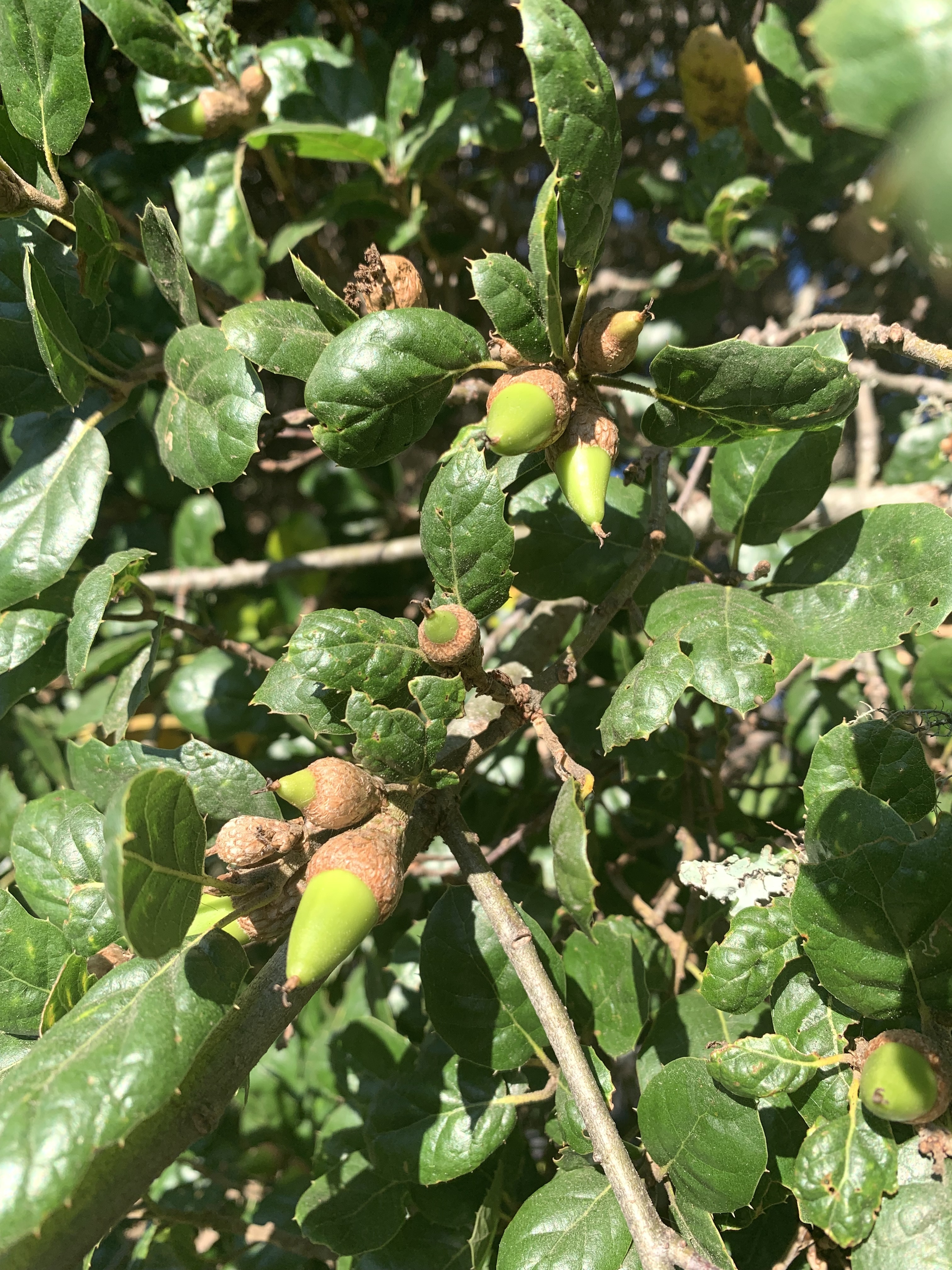
Big, bushy coast live oaks unveil soft new leaves, some trees more yellow, some more red, all gradually turning more uniform dark, prickly, waxy green. Pale dusty pollen filled oak flower tassles dangle from every branch tip; tinier, unseen…stem-hugging female flowers promise acorn births. Farm fields glow at sundown – rafts of white radish, yellow mustard splashes, sprays of bright calendula orange. These will hurry seed-making against all odds, facing the pace of people-priorities under tractor-wheel, mower and plow onto worm-work, rot, and crop-root (joy!).
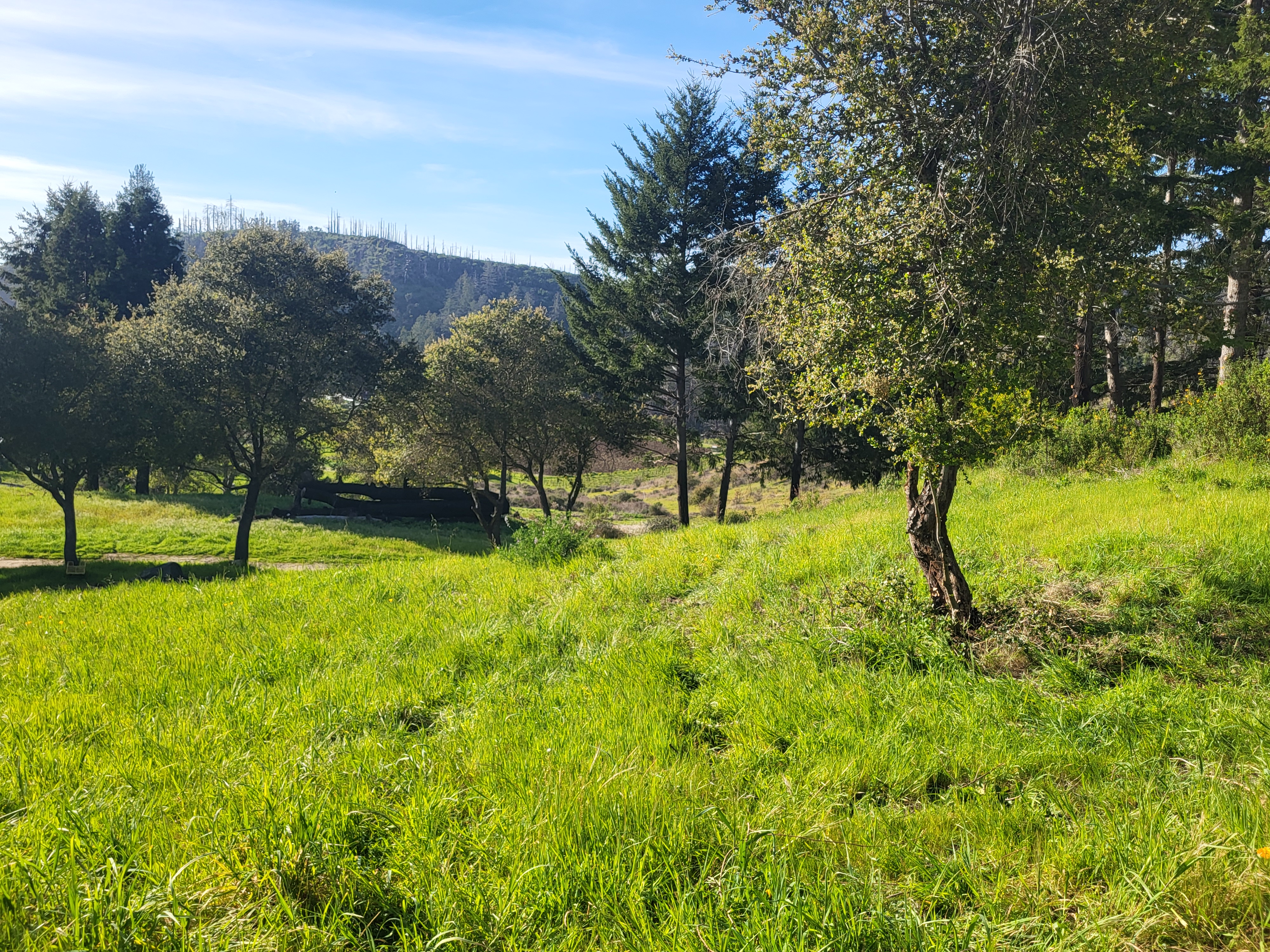
The varying green of grass and coast live oaks – Photo by M. Lipson

Creature Gathering

Toms and hens, spiders to the wind, and the dawn reveals the arrival of swallows.

The harem found Tom, amused at flashes of facial color (the blues! the reds!), gobbling and strut – cooing encouragement then giggling. Too soon for (echoes of Mardi Gra chiefs) tail displays. The Molino Creek Farm turkey flock saunters along the roads, pecking at field margins. Wondering if this is the same flock that disappeared last early November, all except the Tom: where did they go?

Marty reports spiders taking to the sky. Arachnid astronauts spin and then drop from web ends. Abandoned threads continue downwind, tangling together, creating scattered ropes, white crazy string biotic ‘litter.’ Parachuting predators terrorize fast-reproducing feasts – herbivorous bugs or themselves become wren or robin snacks. 

Mysterious moonlit sky trails recently led the barn swallows back to their Molino summer home. They peer into last year’s neglected mud nests, taking stock. Last year’s brood must find new nest locations, not too far from family… collective actions guarantee the coming year’s sibling success. Each whirring swallow eventually lands puddle-side, testing the qualities of mud with both claw and beak.

So goes the rhythm and so goes the song of the consistently changing world at Molino Creek Farm. 
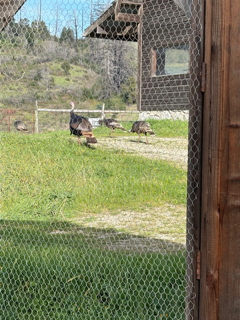
Turkeys spotted by Nibby Bartle

Mycorrhizal Meanderings

On February 5, 2026, the upper foot of soil surrounding the Monterey Bay was dry, a week later it was wet. For weeks, during the time of year when our Mediterranean climate should have been at its wettest, the rain had stopped and the sun’s radiance warmed as if it were summer. Shallow soiled areas of prairie turned drought-stressed reds and purples, grasses stopped gaining height and started blossoming. Redwoods and pines wafted clouds of yellow pollen, carried far in the rare warm breeze. Mushrooms and mosses withered and dried. Dust blew off of unimproved roads and farm fields. And then the rains returned.

Coast live oak acorns – these trees rely on fungi for their nutrient and water uptake

Oscillating Unpredictability

Climate change models suggest that we should come to expect the unexpected, waves of hotter and hotter drought interspersed with deluge and destruction. Will being a Mediterranean climate area mean anything anymore in the future? (next time you vote, even in a local election, you are making a choice in this pro-mayhem or pro-life dichotomy) 2026 year marks the 3rd time since 1986 with such a dry hot period during the time of year when it should be the wettest and coolest. All have been recent. How does Life adapt? I wonder about the fungal webs that are crucial to the forests and shrublands around the Monterey Bay.

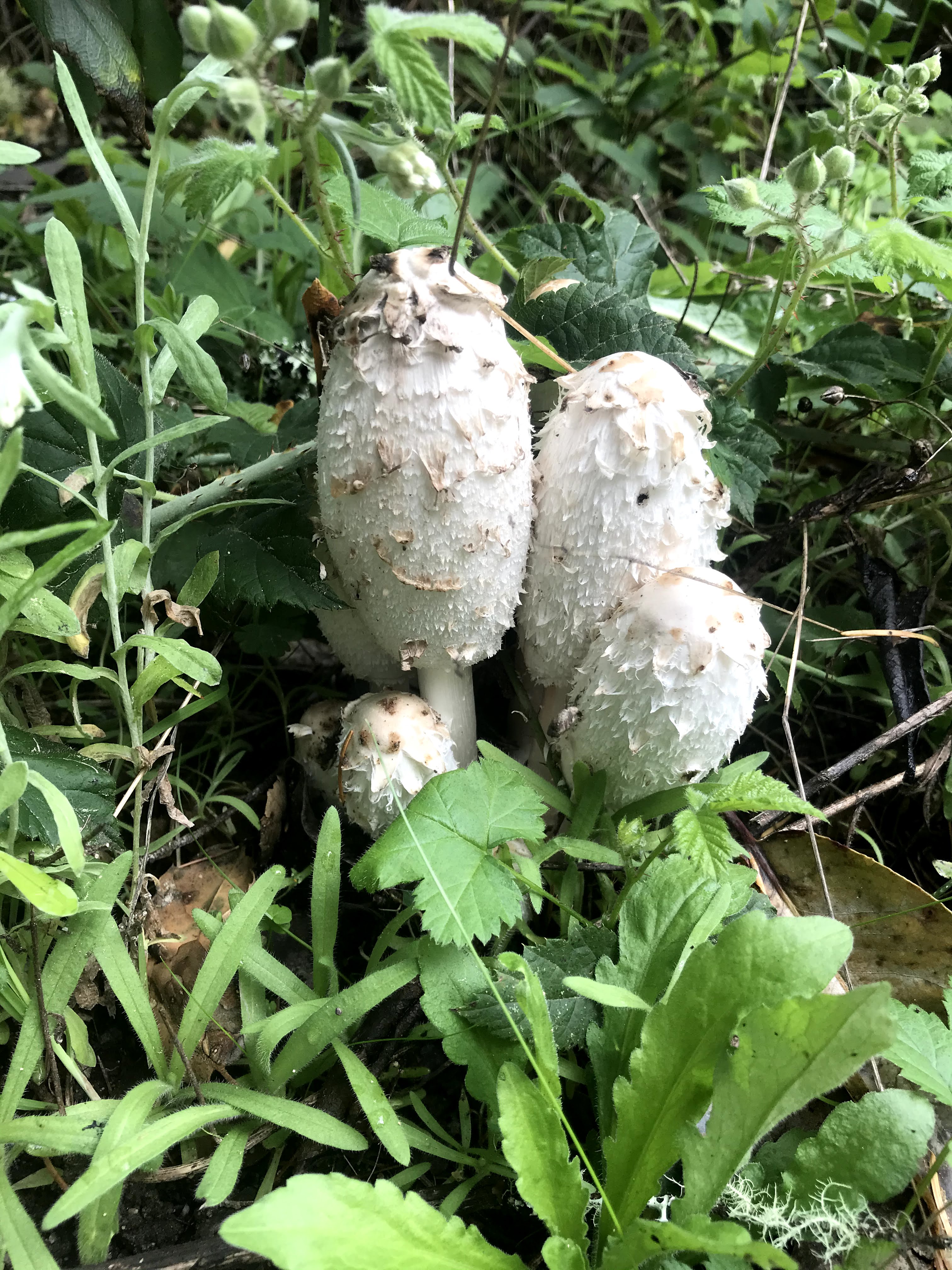
Mushrooms are just the ‘tip of the iceberg’ of sometimes extensive fungal mats running through the soil

Natural Fungal Flux    

The rhythm of fungi is easy to see if only you look for chanterelles. This bright orange tasty mushroom pushes through leaf duff a while after the ground gets wet. Wetter years make for more mushrooms. Prolonged moisture and not-too-cold weather makes for the biggest crops. Eventually, they get tired and as spring progresses, they disappear until the following wet season. Other mushrooms have their time in this cycle, some preceding the rains by a bit with the shortening days…others bounce out at the first raindrops…and still others wait for the warmth and drying of summer. Peak mushroom diversity used to be typically in that middle zone, in January, when the landscape had long been very wet and the days quite short and cool.

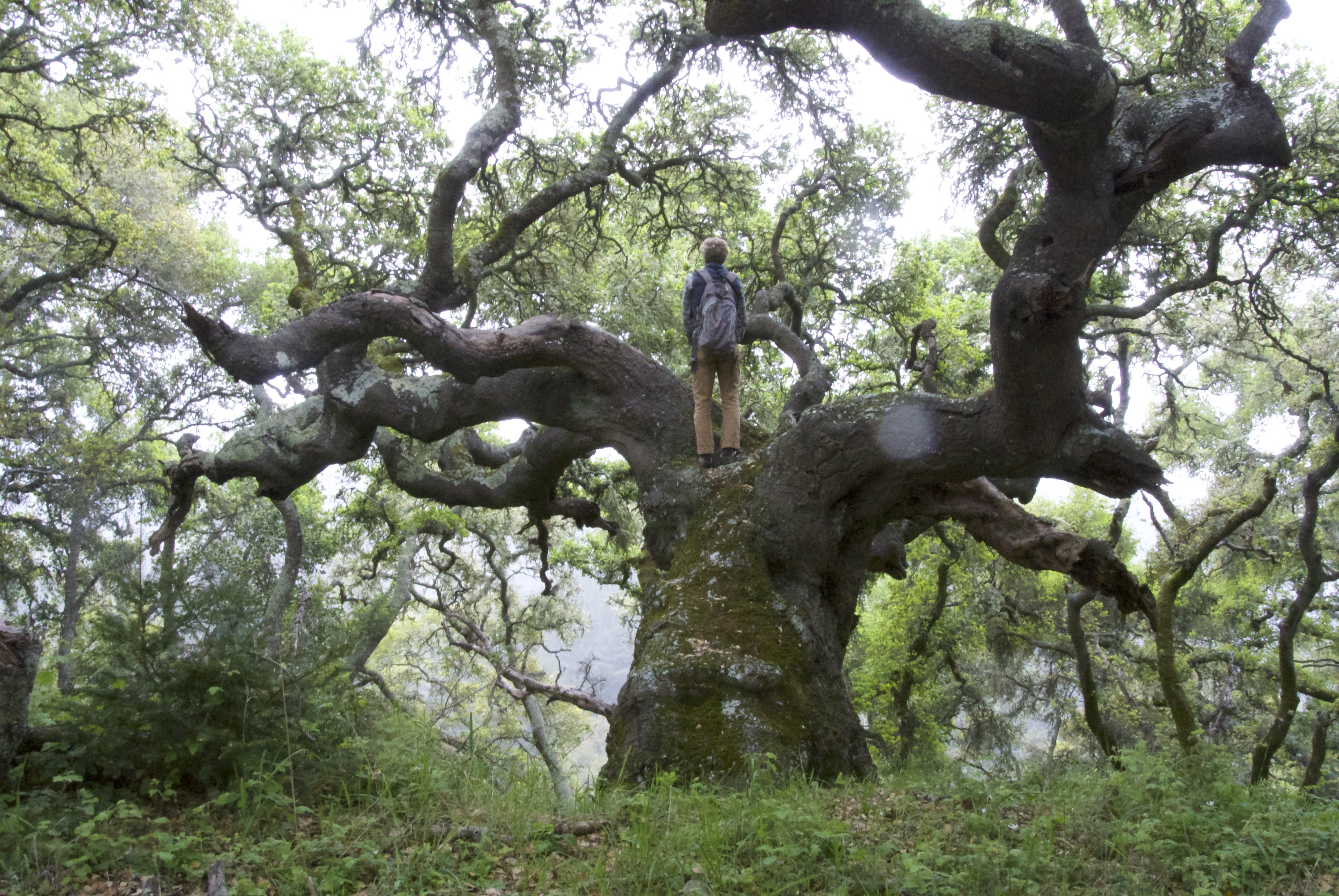
A large coast live oak

Dependency

The handful of oak species in our region along with the redwoods, pines, and firs require fungal communities to survive. So, too, do the manzanitas and madrones. In the orchards, almonds, apples, pears, hazelnuts, walnuts and so much more likewise depend on fungi to do their foraging. These trees have no root hairs to soak up nutrients and water; instead, they have evolved roots engineered to house fungi. Trees supply fungi sugars and fungal webs spread out through the ground, supplying trees nutrients and water. Dr. Tom Parker at San Francisco State University discovered 250 species of fungi under a single manzanita bush. We know very little about which fungi do what for who.

Under My Oak

I planted two coast live oaks in my yard, and one has been very evidently nurturing an interesting fungus. Dead Man’s Foot is a kind of puff bally thing that sticks a large, 6-inch or so, stumpy dark brown ugly ill-formed mass out of the leaf litter in the late spring. Some suggest a shallow burial with an emergent rotting foot, but it doesn’t smell unpleasant. As I mow grasses short each spring, this area doesn’t need much attention, except to rake up oak leaves. The grass barely grows and other weeds are missing – the place is nearly bare: the dead man’s foot is delivering every bit of nutrient to this fast-growing oak. Nearby, another oak planted at the same time doesn’t have these phenomena: it grows more slowly, is emersed in tall grass and weeds, and doesn’t have any fungi popping up in its understory (yet!).

What Happens

How will the climate change driven droughts and deluges affect fungi and the life that depends on them? There are a suite of fungi that follow wildfire, but will they withstand more frequent and more severe fires? Will the succession of winter fungi that are used to long, cool, moist winters survive winters that are less predictable? How will the forests and shrublands fare if their fungal foundations are shaken? How will we even know?