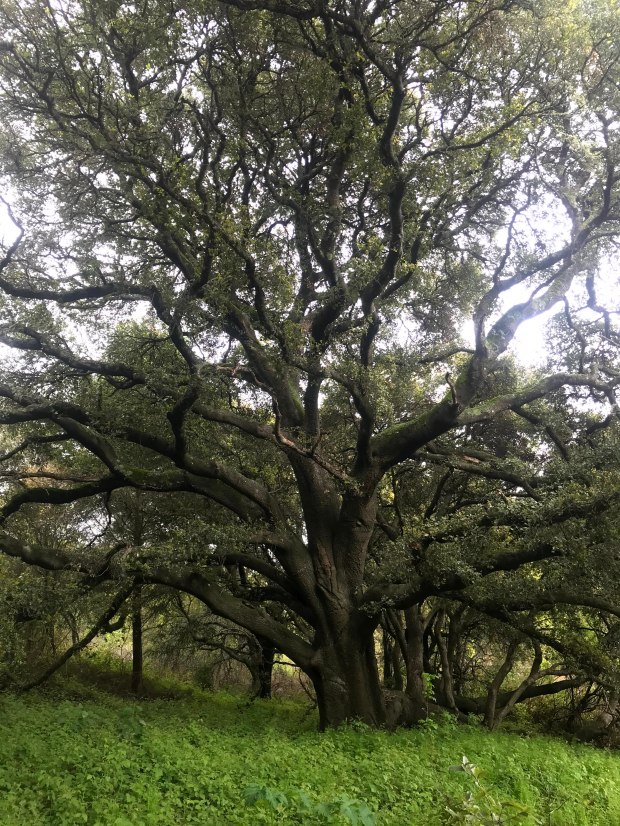
On February 5, 2026, the upper foot of soil surrounding the Monterey Bay was dry, a week later it was wet. For weeks, during the time of year when our Mediterranean climate should have been at its wettest, the rain had stopped and the sun’s radiance warmed as if it were summer. Shallow soiled areas of prairie turned drought-stressed reds and purples, grasses stopped gaining height and started blossoming. Redwoods and pines wafted clouds of yellow pollen, carried far in the rare warm breeze. Mushrooms and mosses withered and dried. Dust blew off of unimproved roads and farm fields. And then the rains returned.
Oscillating Unpredictability
Climate change models suggest that we should come to expect the unexpected, waves of hotter and hotter drought interspersed with deluge and destruction. Will being a Mediterranean climate area mean anything anymore in the future? (next time you vote, even in a local election, you are making a choice in this pro-mayhem or pro-life dichotomy) 2026 year marks the 3rd time since 1986 with such a dry hot period during the time of year when it should be the wettest and coolest. All have been recent. How does Life adapt? I wonder about the fungal webs that are crucial to the forests and shrublands around the Monterey Bay.
Natural Fungal Flux
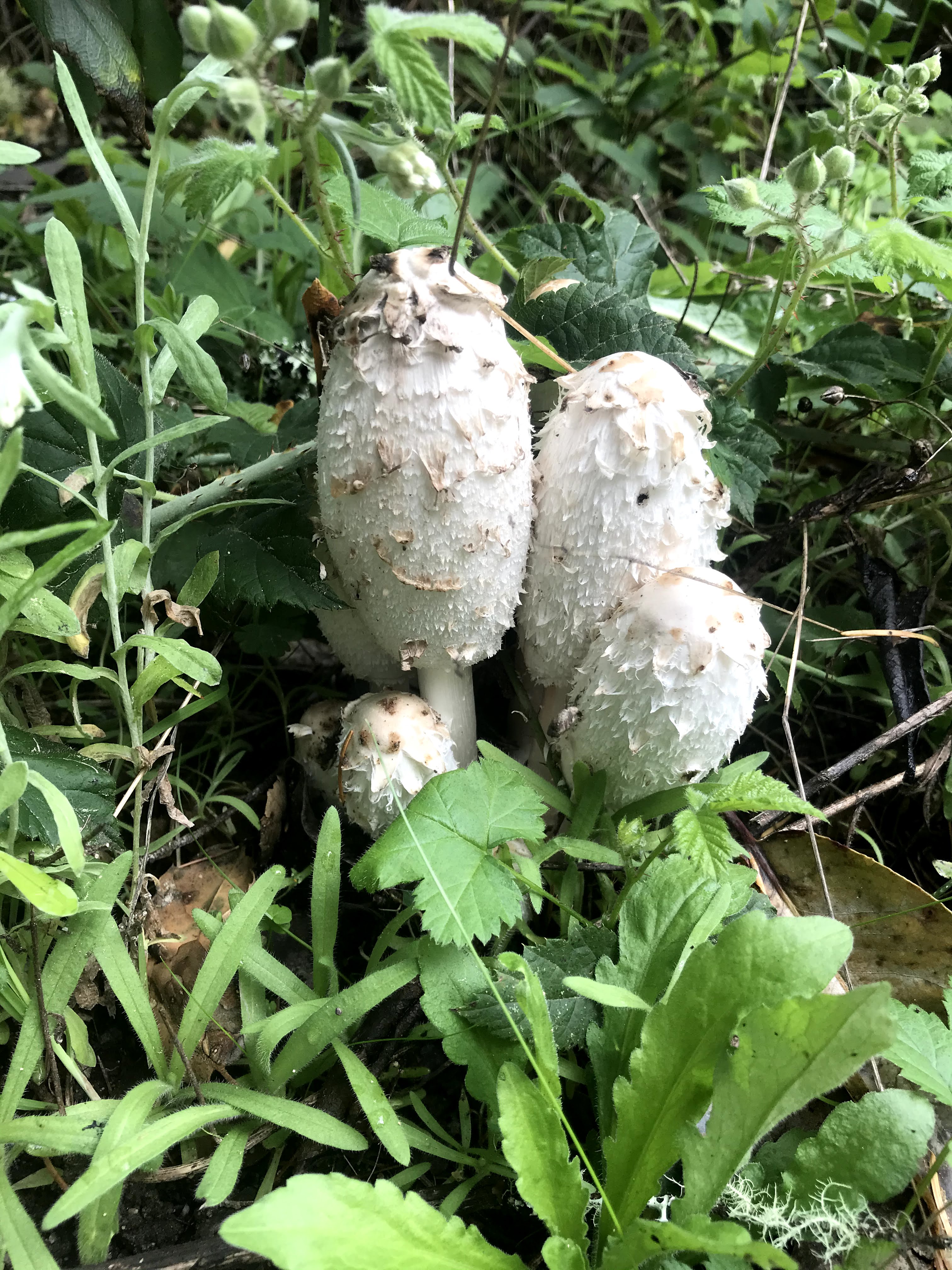
The rhythm of fungi is easy to see if only you look for chanterelles. This bright orange tasty mushroom pushes through leaf duff a while after the ground gets wet. Wetter years make for more mushrooms. Prolonged moisture and not-too-cold weather makes for the biggest crops. Eventually, they get tired and as spring progresses, they disappear until the following wet season. Other mushrooms have their time in this cycle, some preceding the rains by a bit with the shortening days…others bounce out at the first raindrops…and still others wait for the warmth and drying of summer. Peak mushroom diversity used to be typically in that middle zone, in January, when the landscape had long been very wet and the days quite short and cool.
Dependency
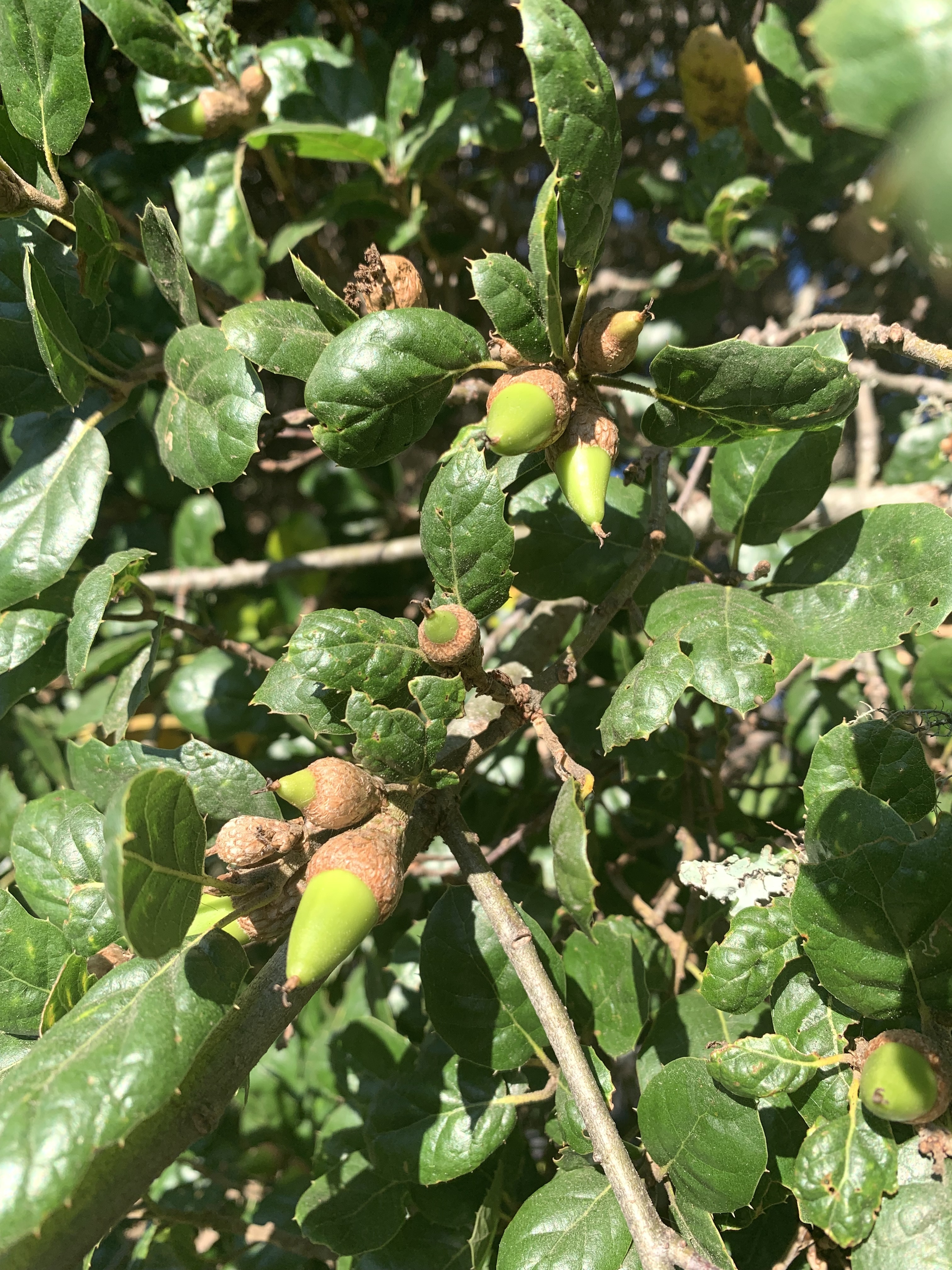
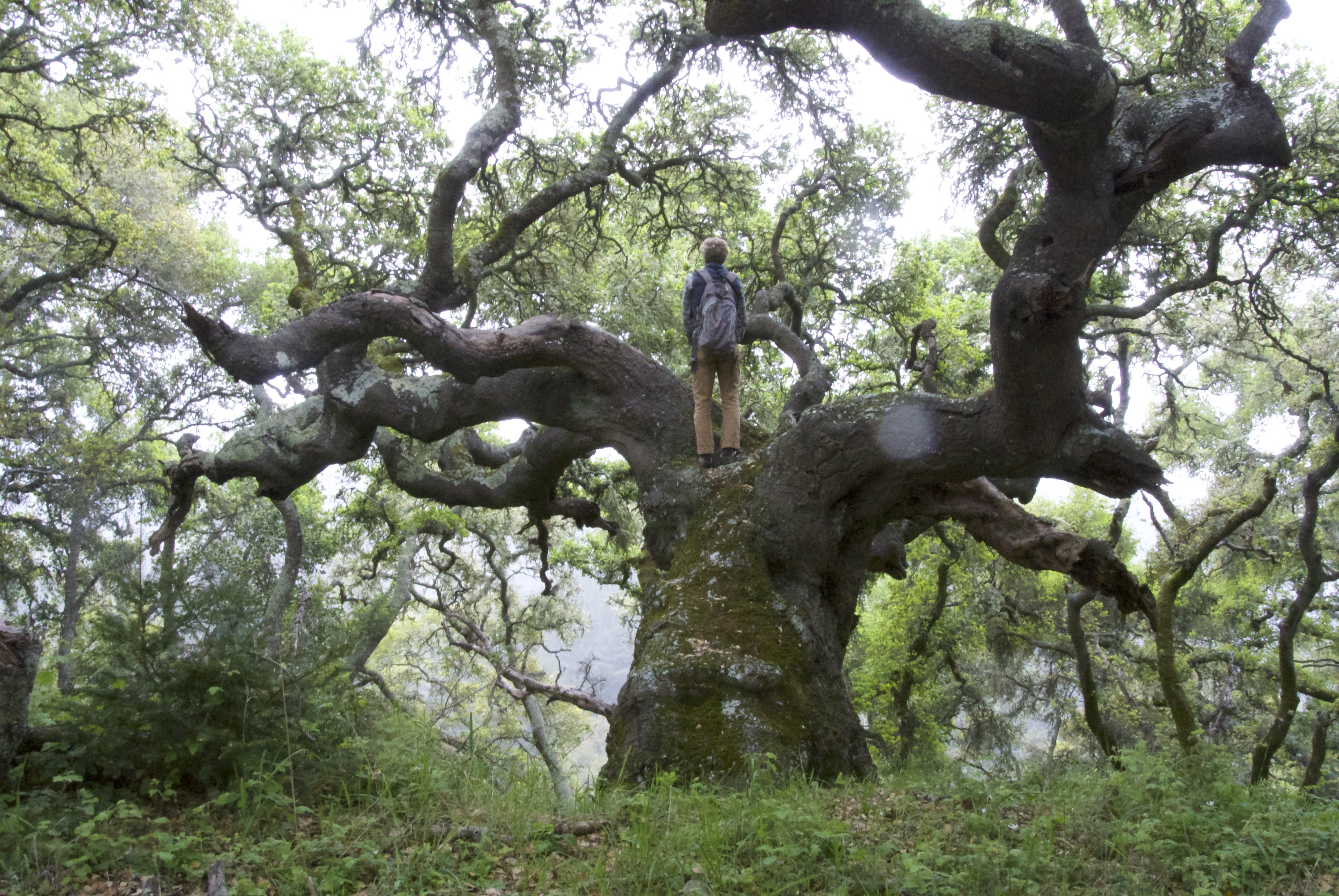
The handful of oak species in our region along with the redwoods, pines, and firs require fungal communities to survive. So, too, do the manzanitas and madrones. In the orchards, almonds, apples, pears, hazelnuts, walnuts and so much more likewise depend on fungi to do their foraging. These trees have no root hairs to soak up nutrients and water; instead, they have evolved roots engineered to house fungi. Trees supply fungi sugars and fungal webs spread out through the ground, supplying trees nutrients and water. Dr. Tom Parker at San Francisco State University discovered 250 species of fungi under a single manzanita bush. We know very little about which fungi do what for who.
Under My Oak
I planted two coast live oaks in my yard, and one has been very evidently nurturing an interesting fungus. Dead Man’s Foot is a kind of puff bally thing that sticks a large, 6-inch or so, stumpy dark brown ugly ill-formed mass out of the leaf litter in the late spring. Some suggest a shallow burial with an emergent rotting foot, but it doesn’t smell unpleasant. As I mow grasses short each spring, this area doesn’t need much attention, except to rake up oak leaves. The grass barely grows and other weeds are missing – the place is nearly bare: the dead man’s foot is delivering every bit of nutrient to this fast-growing oak. Nearby, another oak planted at the same time doesn’t have these phenomena: it grows more slowly, is emersed in tall grass and weeds, and doesn’t have any fungi popping up in its understory (yet!).
What Happens
How will the climate change driven droughts and deluges affect fungi and the life that depends on them? There are a suite of fungi that follow wildfire, but will they withstand more frequent and more severe fires? Will the succession of winter fungi that are used to long, cool, moist winters survive winters that are less predictable? How will the forests and shrublands fare if their fungal foundations are shaken? How will we even know?
 Grey Hayes