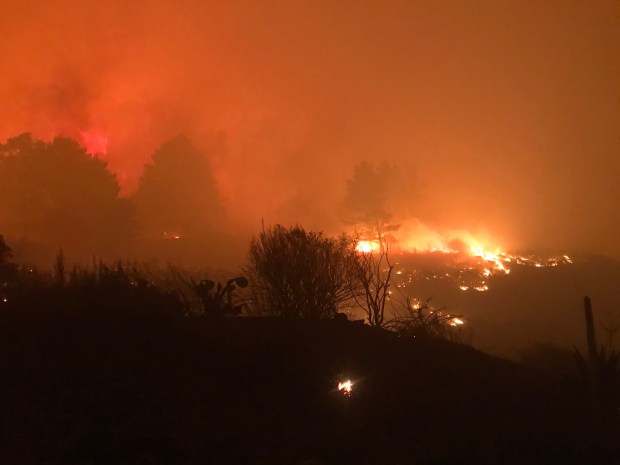
The advent of human control of fire was a pivotal moment in the development of our species. Human use of fire has been changing in some ways and remains steady in others. Recently, it seems that the use of fire is becoming more and more remote for more and more people. Is that good or bad? Join me for a few moments to examine the state of human relationship with fire.
In the millennia of humans’ past and on into our present, we have used fire for heating, cooking, pest control, trash disposal, transportation, and war as well as for the creation of food and fiber. I intend to revise this essay and welcome suggestions about other major uses for fire. Fire is a powerful tool.
Fire for Heating
Consider the evolution of using fire for heating: from the first flame to the storage of heat in stone, masonry fireplaces and chimneys, metal wood stoves, furnaces and, most recently, forced air central heating. Do I understand correctly that conversion of wood to fire for heat, even with super-efficient, clean burning woodstoves, is no longer legal for new construction in Santa Cruz County? Soon, even mountain folk will lose their expertise and familiarity with keeping their homes warm using locally produced fuel, easily produced as a land management byproduct making for improved wildfire safety.
Cooking Fires
My host gently wiggles and pushes three-foot branches, 3” in diameter into the fire to renew the steady heat beneath a tortilla-cooking comal. Smoke rushes out through the roof. Mayan peoples in Belize showed me this indoor cooking method, which is similar to that which many tropical and subtropical cultures have relied for generations. Elsewhere, grills over charcoal, “spits” turning above flames, and wood-fired ovens are other methods for fire-cooking food. Cast iron wood-fired cook stoves are antiques. I haven’t seen one used for a decade.
Have we entered a new era for cooking with fire? Can anyone confirm the rumor that gas stoves are no longer permitted with new construction? I understand that there are concerns about indoor air pollution as well as thoughts that such methods will unduly contribute to greenhouse gas emissions.
One of the last cooking fires in our region is employed by those ‘roughing it’ using portable gas-fired stoves, some of which have become ultra-lightweight and highly efficient. I would be remiss not to also mention wood-fired appropriate technology cooking units, fed by surprisingly small handfuls of branches to prepare family meals. These have been targeted to developing countries with increasing shortages of fuel wood.
Pest Control
A member of Sonoma’s Kashia Pomo tribe recently spoke to a group I was with about the importance of burning the understory of oaks for pest control. He pointed out insect holes in an empty acorn shell and noted that his ancestors would have burned the understory of oak forests to reduce this damage and improve the acorn crop. I’ve heard similar things about pine nut pest management.
How many other pests might have been once controlled by different uses of fire?
Food Production
Precluding the use of fire for pests, fire has been, and is still being, used for other aspects of food production. Tribal peoples use fire to increase productivity of seed crops. Burning releases nutrients trapped in dead vegetation into the soil, increasing plant growth. Native ryegrass and brome grass stands that are burned produce more, heavier seeds. Burning meadows increases the amount of clover and other wildflowers which serve as either salad greens or seed crops.
The principle of fire releasing nutrients for the next crop also applies to rice farmers in California. Burning rice fields was once a more common method of returning nutrients from “crop residue” to the soil. Some farmers have turned to selling rice straw or flooding fields so that waterfowl help break down crop residue.
Other fire-prepared food crops include morels, beef, and grasshoppers. Morels are especially numerous after fire-spurred nutrient release. Ranchers have long used fire to reduce the cover of unpalatable shrubs and increase herbaceous forage to benefit livestock production. Perhaps fire is still used to round up grasshoppers that are subsequently roasted and coated in chili powder and salt for a tasty, crunchy, protein-rich snack.
Fire-Grown Fiber
I haven’t encountered anyone burning for fiber production, but have a few ideas. Burning to reduce shrub invasion into grasslands would make those areas more productive for sheep, and, hence, wool (fiber) production.
Native peoples have burned various plants in various ways to increase fiber production. Around our region, hazel, willow, and iris burned in the right way would make it possible to harvest more and better fiber for cordage and basketry.
Trash Disposal
Travel in rural areas of the Americas and you’ll no doubt encounter the distinct smell of incinerating trash. Especially unctuous is the dioxin-tainted odor of burning plastic. I know of a certain gentleman who very recently was regularly burning 50 gallon oil drums of trash including plastic baby diapers, polluting an otherwise pristine area of Big Sur. I wonder how common the practice is at this moment in the USA? Burning plastic creates a very dangerous chemical called ‘dioxin’ – if you think it quaint when someone burns such trash, think again. This practice is on the rise and killing people.
Fire for Wildfire Fuel Reduction
Carefully planned pile burns or broadcast burns are increasingly being used to dispose of vegetation that would have otherwise been a fire hazard. I’ve written more about these practices in this and this essay.
Riding the Fire
Internal combustion engines burning fossil fuels, releasing ancient carbon, and powering vehicles is a leading cause of global warming in our nation. Not long ago, the hungry burning work of steam engines propelled society ‘forward,’ destroying forests for fuel, leading to California’s hardwood crisis in the late 1800’s. Quieter, fireless electric engines are a revolution at hand, but there’s a sound like distant thunder propelling people in much different ways.
War Fire
Sanctions aside, war is mainly a fiery affair. Bombs, bullets, flame throwers, and napalm are the fire-based war weapons of modern soldiers. No doubt too many of us have been exposed to media portrayals of more ancient warfare involving flaming projectiles meant to kill or destroy property. The most ‘modern’ of fiery death, atomic warfare, is too close at hand with entirely different types of flames.
Could war really be over if we wanted it enough? Let’s quell those violent flames starting by putting out those types of fires closer to home.
Fire – For Better or For Worse
Next time you light a candle, if you even do that anymore, take a moment to reflect on the use of good fire or bad fire. As humans become more distant from their roots, more unfamiliar with tools that we have long used to steward our world, it seems we need to make a greater effort to raise future generations to be comfortable using fire in the best of ways. We must also learn to turn aside from the power of less productive flames, as tempting as that power might be. Burn brightly! Burn well.
-this essay modified from the one originally published at BrattonOnline.com, a weekly blog from Bruce Bratton and team: sign up or miss out!
 Grey Hayes
One comment