
A walk on the ocean bluff is invigorating, so close to many amazing natural phenomena, but these areas see too little ecological protection. Ecotones- the area between two habitats- are well known to host the most species. Birders understand the delight in exploring the edge of riparian or other forest habitats to encounter the most species. Likewise, humans are drawn to the edge of the ocean, and if they are aware of the life around them they have the opportunity to see layers upon layers of life.
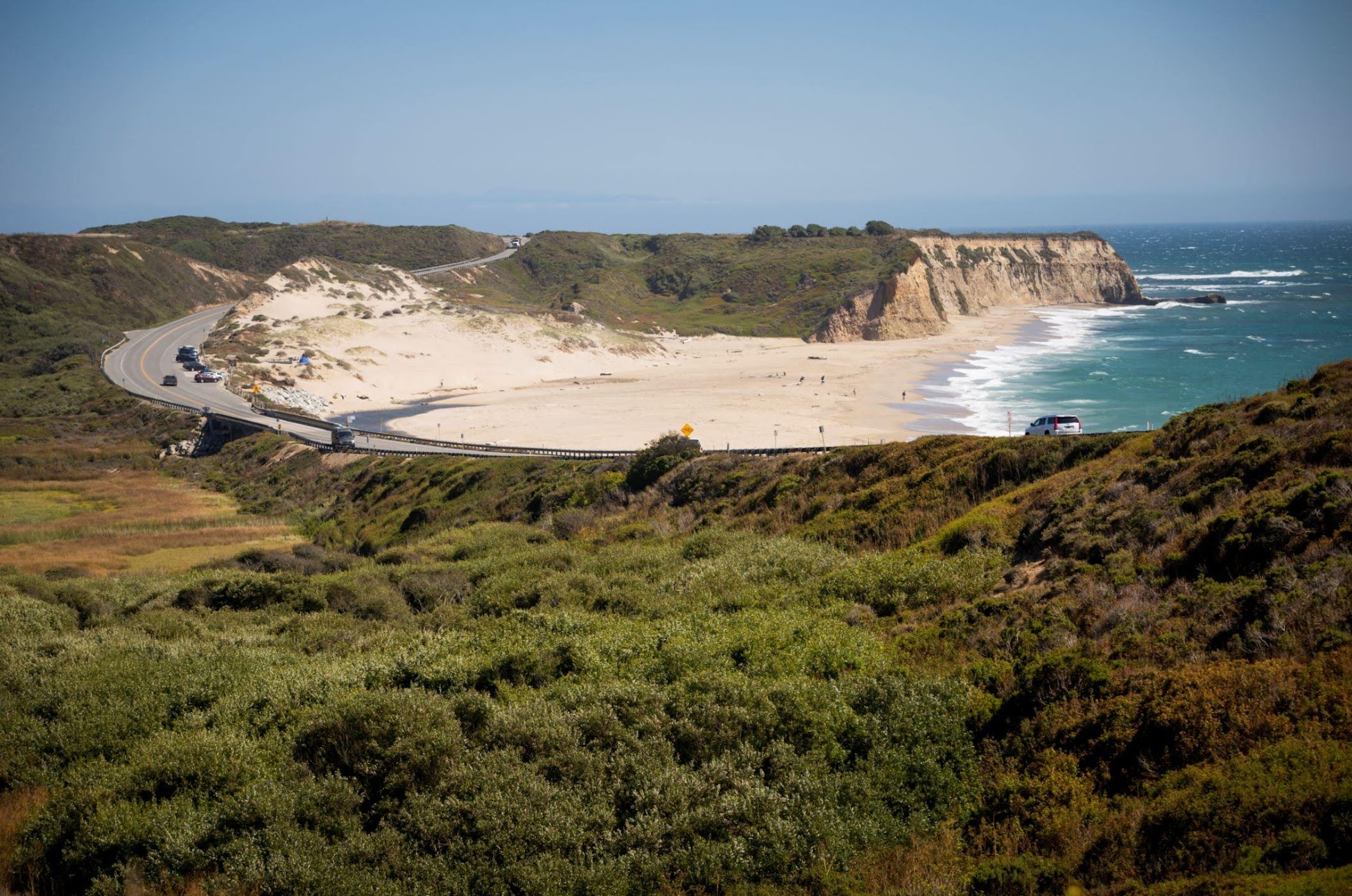
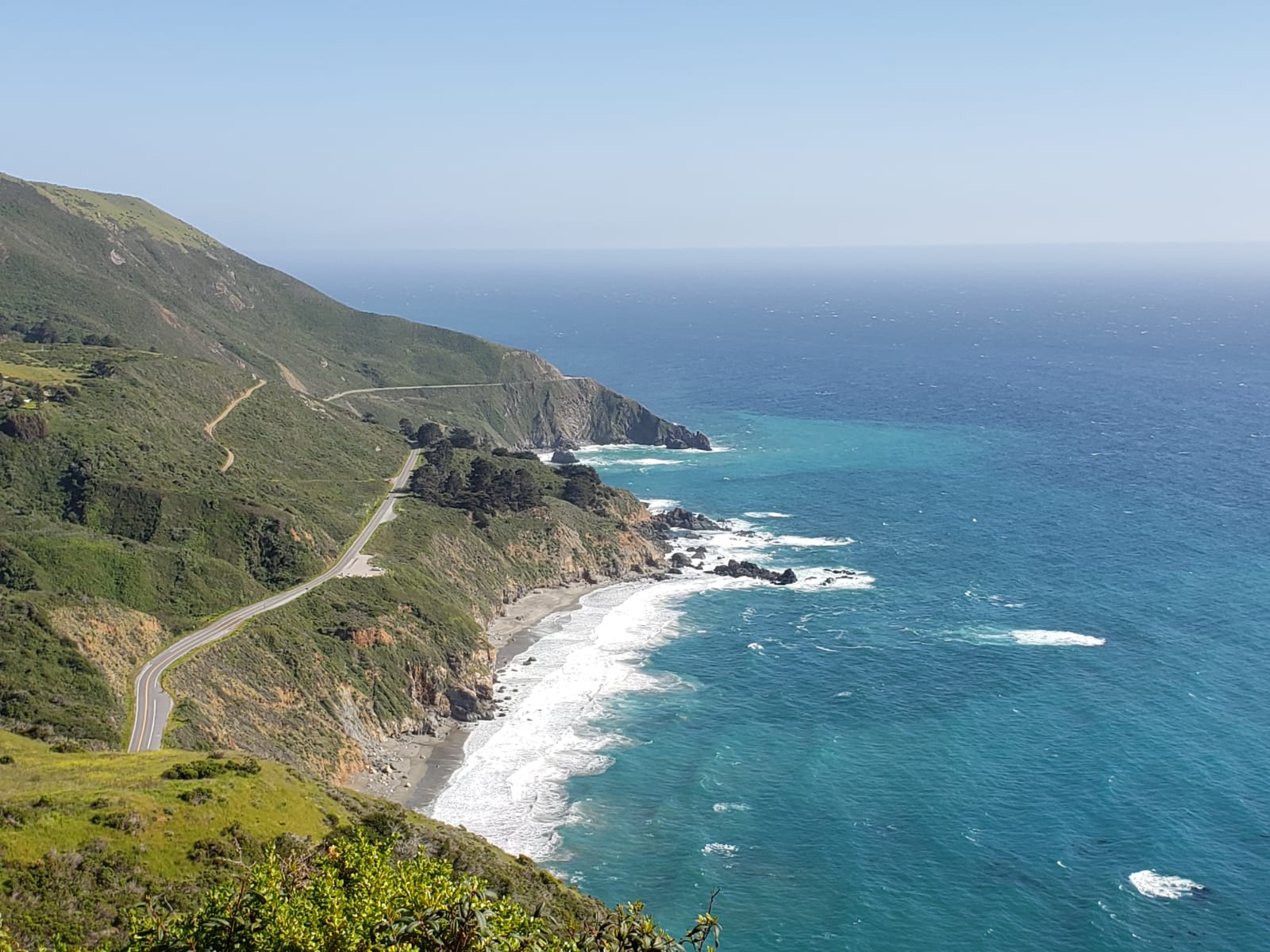
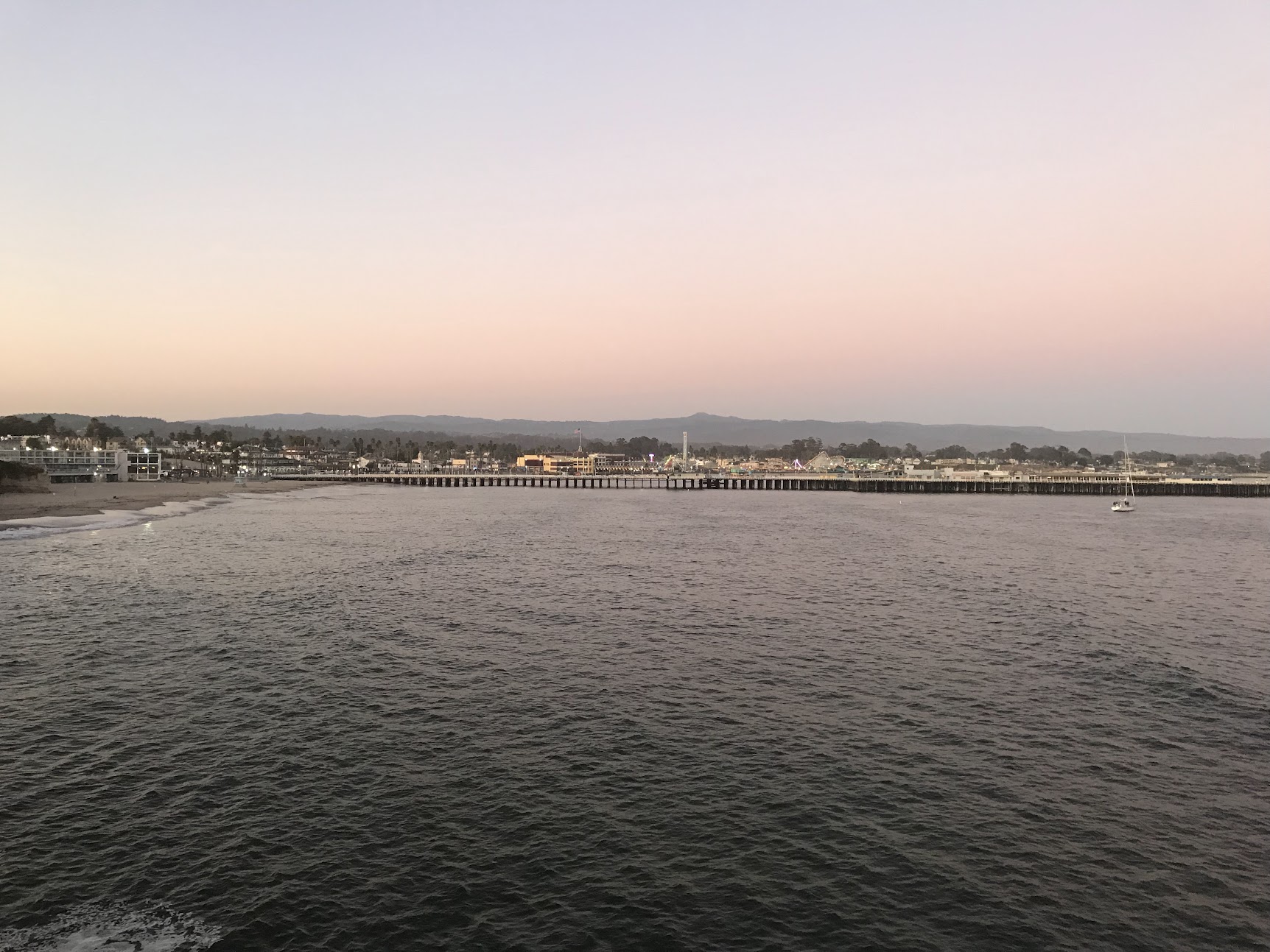
Picture the many individuals and groups of people enjoying West cliff drive, strolling the bluffs at Wilder Ranch, gathering at the cliff edge across from Davenport, and driving Big Sur’s Coast Highway. Millions of people a year along the edge of the Pacific Ocean are standing, walking, or driving on a biologically precious part of our landscape.

Ocean, beaches, bluffs, and more
In the span of very few yards, many things come together. The ocean dynamically intersects with the beach, which in turn interdigitates with bluffs, creeks, rivers, and lagoons. At each of those intersection sites, biological life explodes with diversity. The ocean’s movement back and forth at the edge of the land is an engine of life, mixing air with water, stirring saltwater with fresh, mixing together and grinding up life, redistributing nutrients and lying bare new areas for colonization by new life. The saltwater spray soaks sand dunes and nearby soil, coating nearby leaves, and limiting what life can thrive to those species which can take the salt, a harsh drying mineral. As you back away from the bluff and beach, each yard gets less salty, less windy, less harsh. The plants at the bluff edge have evolved to be nearly flat but just a bit back the same species is short, but upright. Way away from the coast, a species that was ½” tall at the bluffs is 5’ tall in the understory of an oak forest. Seeds grown from each population of those plants will produce plants that are similarly flat, short, or tall. The forces of the ocean drive individual species’ genetic diversity while forming more macro habitat diversity.
A windy north-facing dune face has short mostly perennial vegetation with an understory of moss and ferns to remind us of the cool, sunless moisture. A south-facing dune slope has taller, more drought resistant plants – more flowers, many annual plants. The slightest depressions in dunes and adjacent grass- and shrub-lands are moister and less windy; the slightest elevation gets more wind and is drier. A 6” elevation difference profoundly influences what plants grow where on the flat terraces behind the windswept bluffs. Those differences have been levelled off in farm fields focused on agricultural production as well as in developed urban areas. Unfortunately, this precious ocean interface has been largely obliterated by humans.
Impacts
Trampling at the ocean-beach interface, trails through the dunes and bluffs, roads and trails as close as possible to the bluffs, housing with nearby ocean views, agriculture where houses have yet to be built. All those well-known human activities have obliterated this biotically rich interface.
Walking and Thinking
Whenever anyone visits me from far away, the ocean-beach-bluff interface is where we want to go. There are legions of humans that rarely get to experience the beauty of our beaches or the wonder of our bluffs. As we hike bluff trails, I see a wide swath of bare ground underfoot, right where I would otherwise look for the most interesting plant life. On the inland edge of the trail, where the trampling peters out, less frequent foot traffic maintains a level of disturbance that fosters interesting plant diversity. Here I find 5 species of showy red, purple, and yellow native clovers, unusual bright white popcornflowers, fluffy lavender annual paintbrush, dainty native dandelions, and many more species. Further from the trail still, where few ever tread, the plant diversity plummets: a few tall shrubs or a sea of a handful of grass species. This is a good place to see the effects of varying disturbance regimes and to dream of what is best for species conservation.
On the oceanward side of the trail, too perilous for most people to step, there is a different array of native diversity. Yellow-orange fiddleneck flowers twine with seaside daisy, large-leaved strawberry plants, mat-forming perennial lupines, flat-growing meadow barley and brome grass, and the white-sappy-sticky buds of bright yellow flowering gumweed. In that narrow strip, I regularly count 25 showy native plant species in a hundred feet of walking. Soon, those plants will have no where to go, as the ocean chisels the soil from under them and the trampling prevents them from migrating inland.
The Wide, Flat First Terrace
Outside of the trail edge and out into the few ‘pristine’ native places near the coast, unmanaged prairies are a sea of weeds. On a tour with conservationists recently, I sensed surprise that such places needed management attention. A subsequent hike across the old growth (untilled) prairie north of Año Nuevo illustrated how some types of prescribed burns can help some native plant species proliferate- there were huge patches of tiny blue native iris, grand displays of white native hyacinth, and other wildflowers all integrated into a complex tapestry of native grasses, sedges, and rushes. Bumblebees, long-horned bees, and a wealth of native pollinators bounced between flowers. That’s what the west side Santa Cruz and the expansive brussels sprout fields used to look like.
Interface Restoration
As much as we ‘know’ about the terrible impacts to the ocean-beach-bluff interface, we are doing little to correct the situation. We know that sea level rise is accelerating with climate change. We understand that armoring (sea walls, tide gates, levees, and the like) are not viable solutions to the sea level rise crisis. Public parks managers are aware that recreational use of the ocean interface zone poses grave threats to increasingly endangered wildlife and plants. Conservationists all agree that the natural, intact habitats on California’s first ocean terrace are critically imperiled, having been almost entirely eradicated by development. This knowledge provides a rich opportunity for restoration solutions, if only there was any kind of leadership.
As our society retreats from sea level rise, “green infrastructure” IS the solution. Ecological restoration of the ocean-beach-bluff zone is the only sustainable way to address accelerating sea level rise. The beautiful salt and wind resistant native plant species found in the few remaining natural areas of the bluffs and beaches provide the template for the restoration we need. However, hikers and bikers are literally trampling those templates to death across the entire length of California’s coast. The seeds of plants adapted to this critical habitat are disappearing under foot and tire. Tragically, the California Coastal Commission, which would be the natural lead in protecting these few remaining areas, is increasingly providing pressure to increase visitor use and the consequent negative impacts that recreational access brings.
In a parallel situation, the brackish water species that inhabit the far reaches of our lagoons and estuaries are the same ones that we will rely on to keep the salty ocean water from flooding into every low-lying place along the coast. Those backwaters have largely been destroyed: Highway 1 on the North Coast obliterated the back portions of every lagoon – Laguna and Lidell Creeks, San Vicente Creek, and many others. Agriculture cuts deep into these low-lying brackish areas, destroying soils and habitats of the back of the Elkhorn, Tembladero, and Moro Cojo Sloughs. We need to learn how to restore the plants and plant communities in those systems, which are essential at moderating the combination of outgoing freshwater flooding and incoming tidal surge waters, which would otherwise erode massive new channels, carrying sea level rise further inland into built areas and across low-lying agricultural fields.
Stop the Stomp
You can mainly address much of what I mention above through voting for candidates that talk about facilitating “managed retreat” and “green infrastructure” solutions to sea level rise. But, you can also help by pressuring managers to better address recreational use of the beaches and bluffs. If you live in Santa Cruz, there are active discussions about the bluff erosion along West Cliff: are there any politicians talking about long term solutions, managed retreat, and green infrastructure…or, are they just passing the inevitable exorbitant costs to future generations? Your vote matters there or wherever you live- these issues are pervasive.
If you visit parks along the coast, notice how they are managed at the precious ocean-beach-bluff interface. In the last month, I have encountered two people that have reported problems to parks managers. In one case, parks maintenance personnel bulldozed and added gravel to an ocean-side trail, obliterating wetlands occupied by photo documented endangered California red-legged frogs. In another case, an individual reported parks maintenance personnel driving through saturated soils, degrading endangered coastal prairie habitat and associated wetlands. We need to pressure managers to move ocean-side bluff trails away from the bluffs to allow for the expansion and migration of coastal bluff vegetation. Agricultural fields on parkland need likewise to retreat. Oceanside trails should never be graveled, paved, or otherwise hardened. If you care about these things, let’s make some noise! It is high time that State, County, and City Parks create restoration plans for this critical life zone, and those plans should work out solutions to recreational impacts that prioritize conservation.
-this essay originally published by Bruce Bratton at his amazing BrattonOnline.com weekly blog, the only place to get the skinny on the haps in Santa Cruz, California- tune in and keep up!
 Grey Hayes