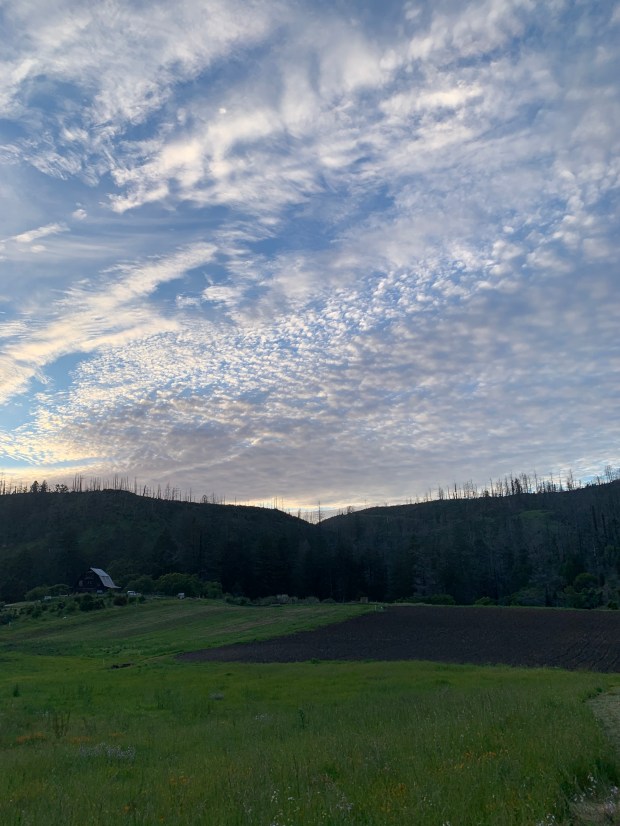
clean air

What’s In the Air?

Have you heard the question “What’s in the water?” I’ve encountered that question recently posed in the context of a situation when odd, inexplicable things had been happening at an organization. Then, new, seemingly fresh and rational personnel are hired, but those people quickly seem just as odd and inexplicable, less fresh and innovative and then things just stay the same kind of weird. How can that possibly happen?! And we exclaim, “What’s in the water?” It’s as if people are being medicated through their drinking water into a kind of sub-par state of being. “They drank the Kool-Aid” is another way of saying that same thing, I guess, except less innocuously referencing a terrible tragedy in South America some time ago. Judging by the amount of filtered water, bottled water, and such that people purchase, it does seem as if we are very, very concerned about what is in our water. What about the air? What’s in our air?

The Direction of the Wind

In my daily routine, each time I walk outside I try to pay attention to the wind. Which way is the wind headed? I feel the breeze on my skin or watch the swaying of the grass and trees. I tilt my body until I face straight into it, to know best the precise direction. Ialso ask how is the wind blowing right where I am versus farther away? Sometimes the wind is gentle close but raging nearby, on higher ground, where trees ‘talk’ and sway. 

The directions of the wind can be predictable, but it is becoming less so. Winds around the Monterey Bay are often from the north or northwest, mainly cool breezes. Winter storms especially sweep in with gales from the northwest. Bomb cyclones come from that way. Atmospheric rivers tilt the direction more from the west. Especially cold storms come more from the north. Once the breeze starts coming from those other two ways, things get weird.

CZU Lightning Complex Fire – The air looked like this for days

The downslope, Santa Ana winds of southern California (aka devil winds) make things really weird to our south. Those winds are from the east and can be very strong; fires rage, people freak out. Luckily, that phenomenon doesn’t happen here, but we do get occasional winds from the east. I swear I can smell the desert on those winds, the smell of creosote bush. Those breezes are warm and dry just like the winds from the south. I can very well recall the stormy winds from the south: those brought us the CZU Lightning Complex Fire as well as a couple other tattered hurricane remnants that created havoc across the state. When winds come from the south or east, beware of fire and keep your eye out for the odd human behavior associated with Santa Ana winds in southern California. We might also be concerned about the better-documented situation where those breezes carry the spores of fungi that cause Valley Fever, an air quality concern…borne on the wind as they say.  
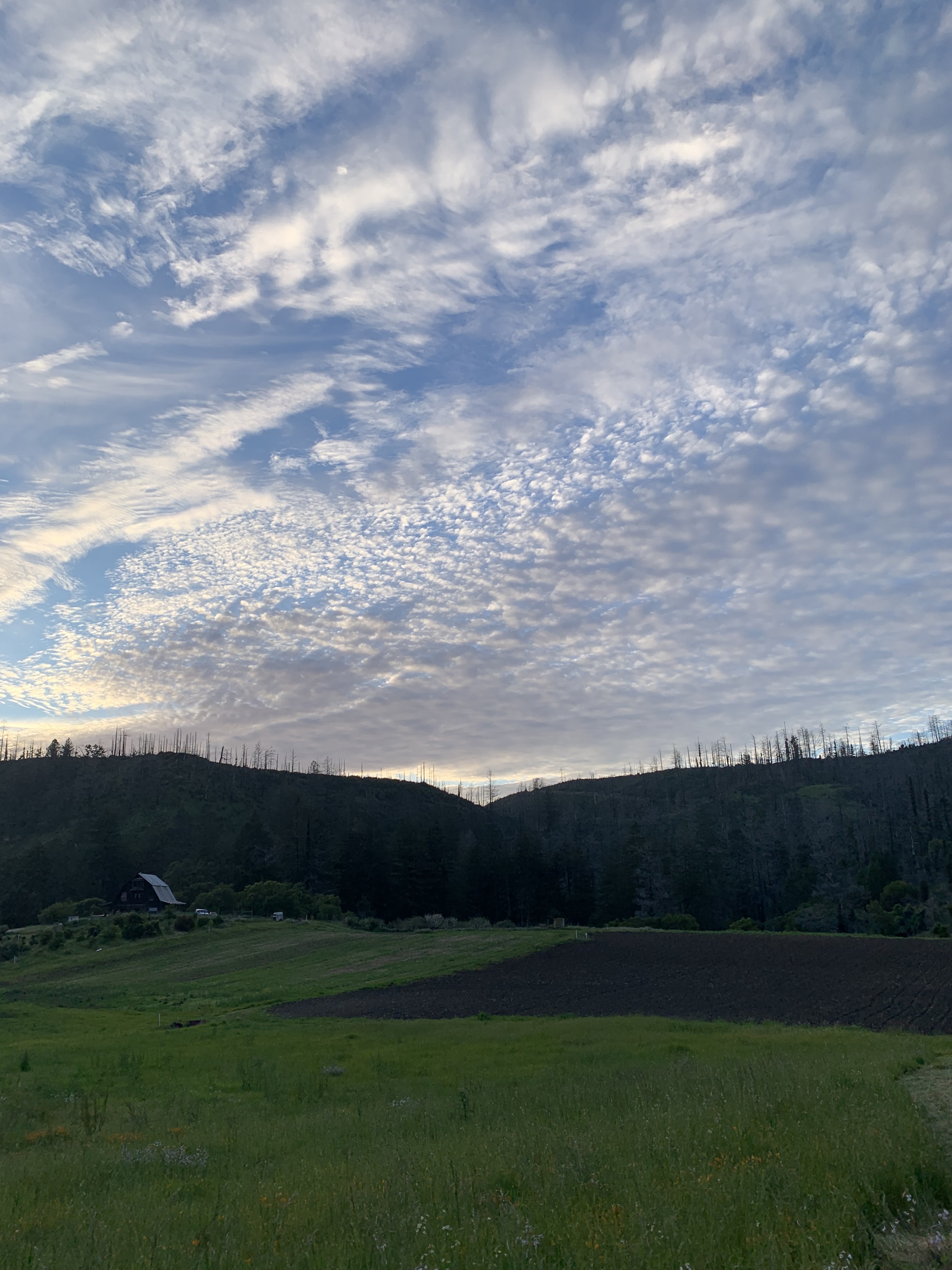
Air Quality

Once you recognize the direction from which the wind blows, the next question becomes what is that air carrying? When the wind blows ‘just right’ (from the northeast), we get a nasty soup of smog hanging out to sea, blown out of the Golden Gate and then generally downcoast where you get to appreciate that the Bay keeps us a bit sheltered and inland from those toxic breezes. Northeast winds are rare, but that smog carries lots of ugly chemistry. There’s stuff you don’t want to breathe for its toxicity, but there is also lots of fertilizer from car exhaust. Catalytic converters do a good job of turning exhaust into readily available nitrogen compounds that are fertilizing the landscape. Healthy? Nay. Fertilizer makes habitats more weedy, weeds grow bigger and make a bigger wildfire danger when they dry. The tall weeds outcompete native wildflowers. Fires carried by those weeds are devastating California’s deserts, endangering things like Joshua trees. The Golden Gate (NE wind) is one of our passages for nitrogen-laced air pollution, the other is the Pajaro Valley, belching out smog pushed by the more northerly breezes passing down through the southern end of the Silicon Valley.
Those ‘Fresh’ Westerlies

If you are like me, you feel lucky to have that great expanse of clean ocean air to keep us breathing well. Think again. We are seeing more and more pollution from China reaching our shores. Those giant cargo containers full of ‘stuff’ isn’t the only thing coming from the east. Coal fired power plants are making a yuckola mess of chemicals that are polluting California’s air. But, let’s not rest all of the blame on human’s insatiable appetite for stuff in the present. Some of the toxic air particles are from greed of the deep past: gold mining. Mercury was used in processing gold in California. That mercury flowed downstream and into the ocean; it is now being carried back to land in fog and rain, concentrating up the food chain and poisoning mountain lions in the Santa Cruz Mountains.

Famous Air Quote

“We have some incredibly talented people that know environment and what we’re doing probably better than any people on Earth.

From day one, my administration has made it a top priority to ensure that America has among the very cleanest air and cleanest water on the planet.  We want the cleanest air.  We want crystal-clean water, and that’s what we’re doing and that’s what we’re working on so hard.”

I’m guessing you know the source of this quote by now. If not, you can probably guess from the recognizable style. We hope that President Trump, like all politicians, recognizes how much the vast majority of citizens value clean air, so that there is ample motivation to do something about it. If politicians don’t act on these things, we all suffer. Unfortunately, few journalists hold any politician accountable to their clean air record: after all, it is anti-business to do so, and the news needs money.

Our Work

Vote. Get an air purifier for your house. Buy less. Go outside and think about the breeze…the direction of the wind…the strength of the wind…and what is carried on those breezes. 

-this post originally published as part of BrattonOnline.com – check it out! Updated weekly with keen insights into Monterey Bay and beyond.
Teach Your Children Well, Part 2

I received lots of great feedback from my column a couple of weeks ago, maybe in part because people resonate with the need for raising our children with love and respect for nature. When we see people damaging nature, we must redouble our efforts to make sure we avoid making new people like that – by reaching out to children, to teach them well. This made me wonder what are core lessons we need for children (and adults!) for being good to nature right here in Santa Cruz. I hope the following is a good start- please send me more ideas for a future, more in depth publication.

News: Apocalypse Cancelled

The most damaging words I hear regularly about nature is how we are doomed. Even generally well meaning and educated people I know enter into what I call the apocalyptic mindset. You’ve probably heard it…maybe even participated in such a dialogue. It starts with, for example, how can we ever address global warming…its such a huge lift…governments aren’t doing anything…oil companies have too much power…people are greedy…the planet is going to be uninhabitable…the human race is going to disappear. This type of conversation seems to always end with ‘the human race is going to disappear,’ sometimes due to disease, sometimes nuclear war, and now sometimes global warming. Maybe we avoid this story with children, saving it for adult conversation, but if you entertain such notions at all, you can bet the children catch on. This story is magical thinking, and the rationale for such stories is beyond my expertise (but, please: ask yourself “why?” if you hear such things). Humans have survived very hard times – through plagues, terrible wars…through ice ages, famines, massive volcanoes, long droughts, etc: it is a safe bet that there will be people around for a very long time…long enough for us to tell a different story, so we think about a longer term presence and the need for earth stewardship.

A Better Story

The different story is supported by evidence near at hand. Go to Pinnacles National Park and watch a condor soar. Take a whale watching boat and see a blue whale. When you drive across Pacheco Pass or tour Pt. Reyes, see the tule elk. All of these species were ‘doomed’ but people decided that they were worth keeping…we changed our behavior, and they are recovering. The better story is of the inherent compassion of humans and our ability to improve how we live with nature. If your better story has people living alongside elk, whales, condors, and mountain lions in a world with grizzly and polar bears, elephants, giant pandas, and coral reefs, then it will inspire us to work together to make it so.

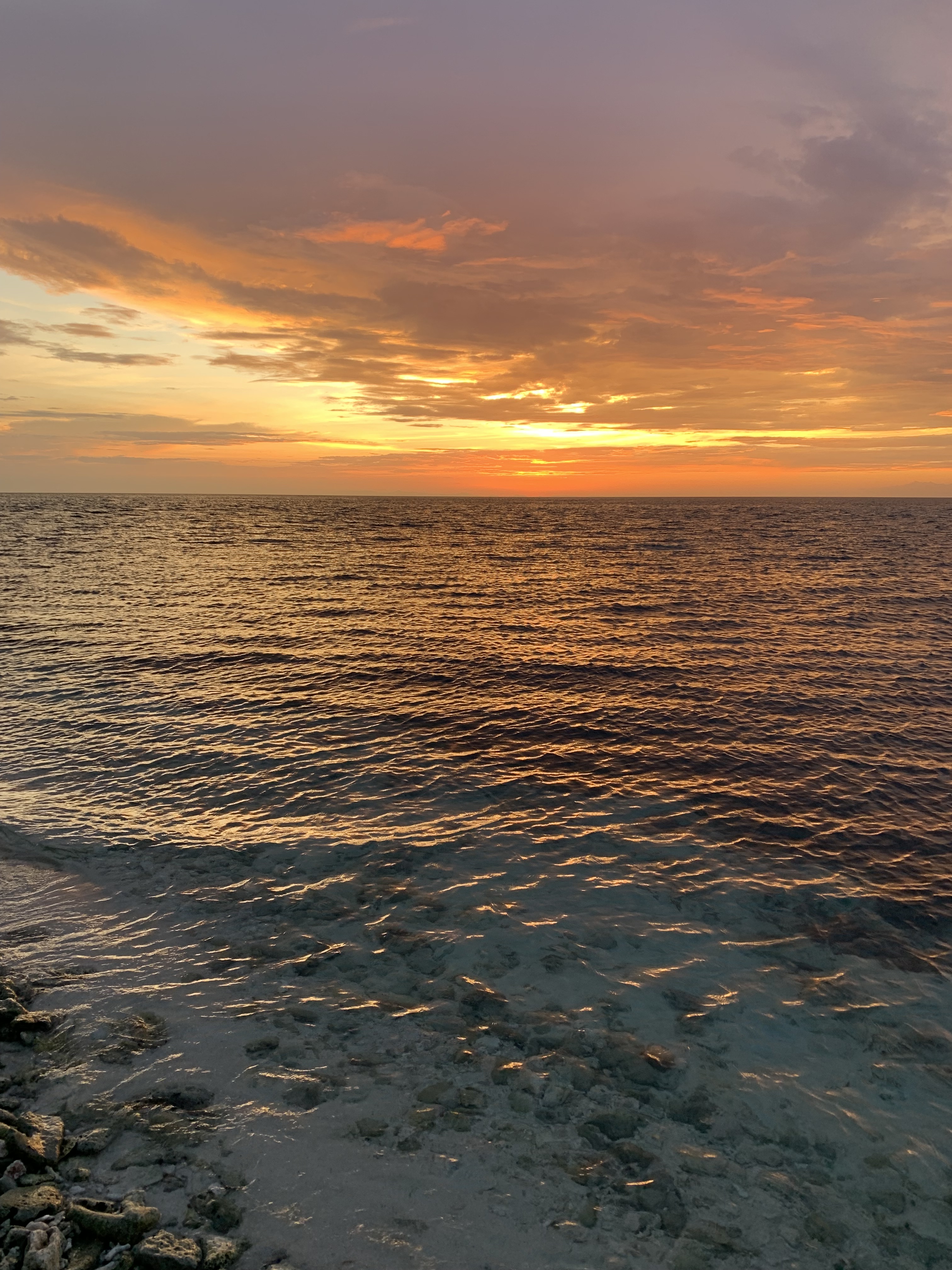
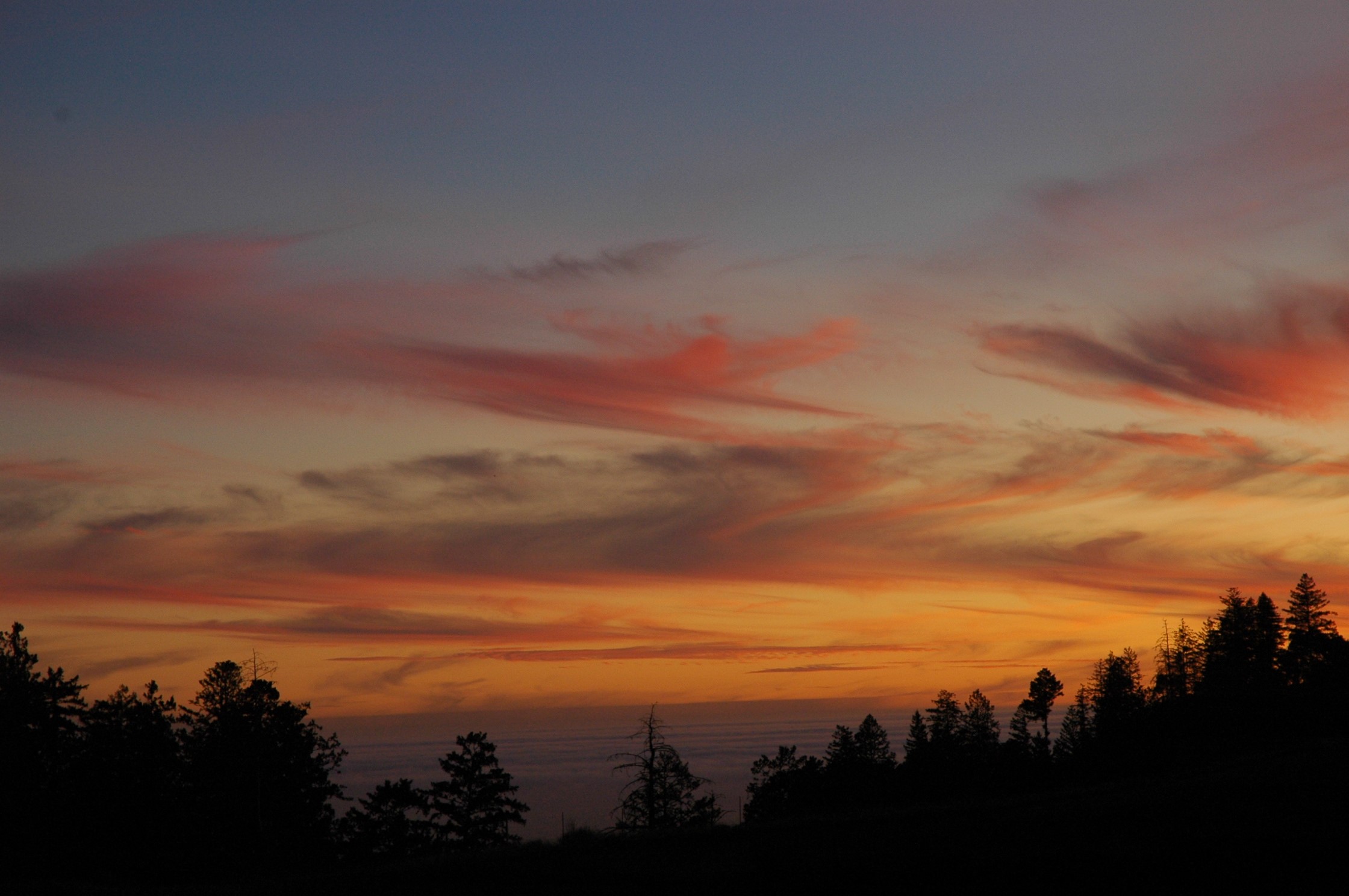
Sunset on the North Coast

Stewarding Soil, Air, and Water

There are, of course, other things to teach the children, such as care for soil, water, and the air. The science of soil formation has been taking place on Santa Cruz’ North Coast for a while, so we are fortunate to be proximate to the story of soil, and how incredibly slowly it is created. The Dust Bowl lessons are long forgotten and chemical fertilizers have been hiding the need for soil, but all the same- soil is sacred and everyone should know that soil loss is a terrible thing, that prime agricultural land is precious to conserve, that soil needs stewardship. All children should know where their food comes from. The same goes for water; I wonder how many appreciate where their water comes from and the care that must be taken so that it isn’t contaminated…thanks to government and rules. And, it is similar for the air. That we have good soil, water, and air are again testaments to the good that humans can do when we work together. But, we can all use some education about what we can do to help keep those situations improving.

For the soil, water and air lessons, here are some field trip ideas. Next winter, go for a walk at Wilder Ranch and see if the soil is covered or if it is washing off into the ocean. Take a trip to Loch Lomond then to an auto repair shop upstream in Ben Lomond; discuss the dangers of petroleum ending up in drinking water. Watch road runoff in ditches next winter and think about what that oily sheen means for water quality and how it might be captured. Stand next to a busy street and smell the air, talk about what is in tail pipe emissions and where that stuff goes and what it does. To have these kinds of conversations might take some homework- how many of us can have informed conversations about these simple and everyday situations? If children knew more about these things, would it help?

Non-Humans

Children should know about living well with non-human animals. Often, kids are introduced to domesticated animals…and too often they share their parents’ misconceptions about how best to care for and train those pets. Perhaps family time discussing well vetted videos about living with pets is in order. Meat eaters have an obligation to have some honest conversations about how livestock are raised and how they come to the plate. Field trips may be in order on that front. A little more on the wild side is the need for children to understand the host of issues from animals that aren’t domesticated that tag along with human civilization – termites, Argentine ants, roaches, stray cats, rats, mice, pigeons, starlings, etc. Just around the corner is another teaching subject: native wild animals which are doing perhaps too well at adapting to human ecosystems, such as ravens, crows, gulls, jays, racoons, etc. By learning about these and the invasive animals, perhaps children will learn to be more tidy and perhaps they’ll figure out other ways to mediate the impacts of these species. Into the real wild,  children need to learn about the needs of wildlife – for habitat, landscape connectivity, peace, respect, and for the science needed to better plan for conservation.

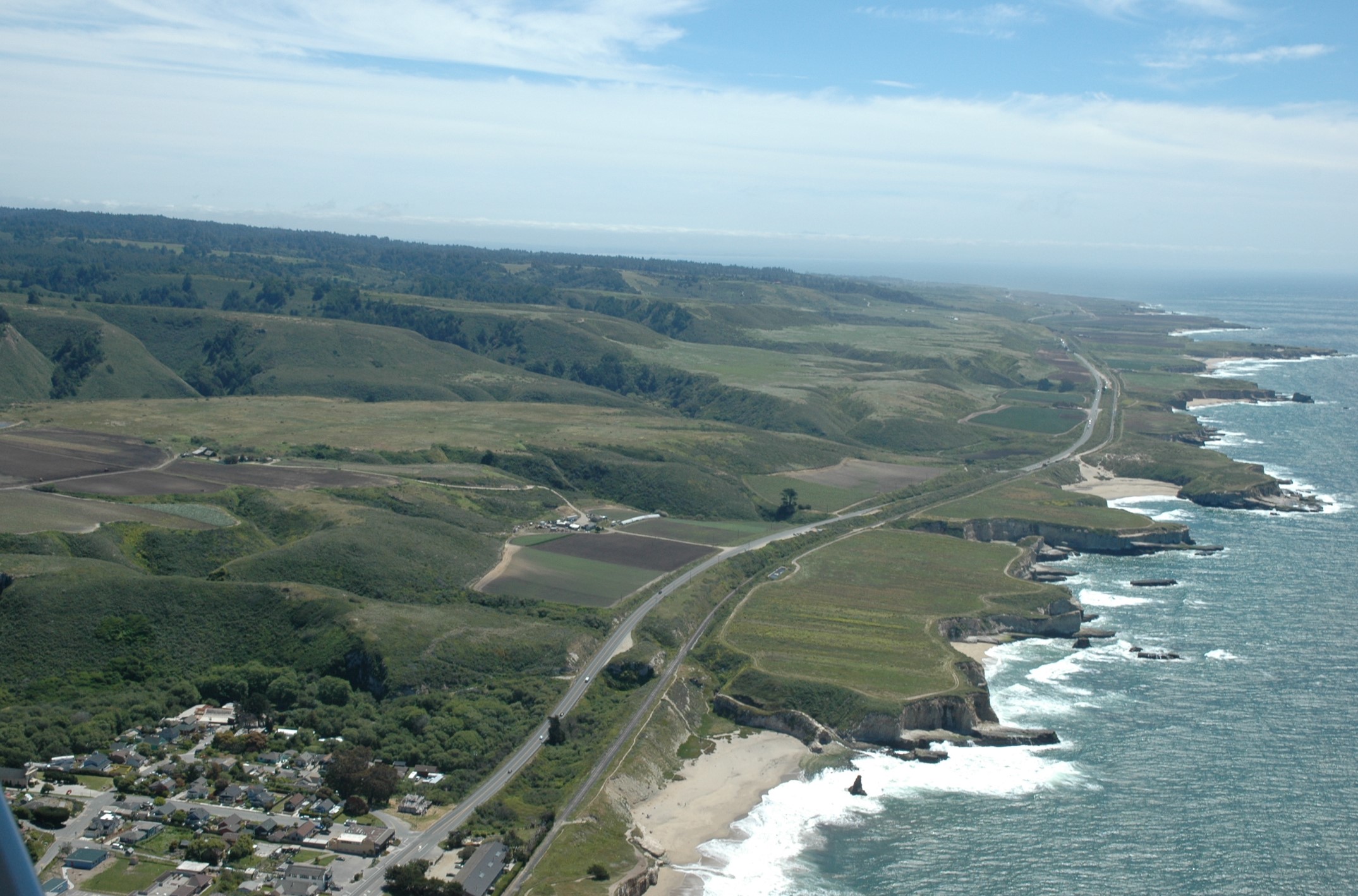
Santa Cruz’ North Coast

Children Becoming Citizens

As age appropriate, children will one day be old enough to need education about how the above concepts enter the civic world. They will need to understand how land management agencies do or do not protect open space for wildlife. They will need to understand how clean air and water regulations are promulgated, incentivized, and enforced. And, it would be good to teach them how to critically think about the environmental issues they encounter and how to seek credible information to inform their thinking. Are these issues addressed in schools adequately? How else might we help children to understand these issues so that they are engaged citizens?

Engaging

Nature brings peace, so perhaps the most important lesson for children is how to experience nature. I see families taking talkative strolls with children, but few parents sitting quietly in nature with their young ones. With luck, children should be able to witness a bird building a nest and feeding its young. They should see tadpoles and then tadpoles with legs. We all feel delighted to see a fox or coyote pounce on prey. There’s a fascination to watching the dusky footed wood rat taking a huge mouthful of twigs to its 4’ wide stick home. There are salmon swimming upstream to spawn in nearby creeks during the early winter. Giant whales are lunging into schools of anchovies close to boats that leave every day from local harbors. None of these things are easy to see as chance encounters. Like all good education, it will take some work, but it is worth it.

The more time we spend with children sharing these types of lessons, the better the chance of future generations saying ‘we are sure glad that people figured out how to restore beavers!’ or ‘wow- look at that tule elk!’ Richer lives and a better planet require us collectively to raise children who are eco-literate. Please do your part, even if you aren’t a parent.

-this article appeared first in Bruce Bratton’s BrattonOnline.com weekly blog.